
Neck Pain Physiotherapy
If you've been dealing with persistent neck pain, you've probably been told it's caused by poor posture, too much screen time, or a weak neck. You might have tried massage, heat packs, stretching, or pain medication, only to find the relief is temporary and the pain keeps returning, especially after long work days, caring for children, or physical activities.
Neck pain affects office workers, drivers, manual labourers, parents, gym-goers, and athletes alike. While sustained positions contribute to discomfort, the underlying issue is usually load tolerance, your cervical spine and surrounding structures are being asked to manage demands they're not currently conditioned to handle. Generic advice about sitting straighter or taking more breaks rarely addresses the capacity deficit.
At Athletic Spine, we specialise exclusively in spinal rehabilitation. Our evidence-based approach focuses on identifying what's actually driving your neck pain and building the specific capacity you need to work, perform daily activities, exercise, and participate in sport without ongoing limitation, stronger and more resilient than before.
For Details on available services and to book a session, click the link below.
What Causes Neck Pain?
Neck pain, clinically called cervical spine pain, has multiple potential causes. Understanding what's driving your symptoms is essential for effective treatment.
Cervical Disc Irritation
The cervical discs sit between the vertebrae in your neck and act as shock absorbers and allow for spinal movement. Disc irritation can range from discogenic pain (pain originating from the disc structure itself) to disc herniation causing nerve compression.
Cervical disc issues often develop from sustained forward head positions (desk work, driving, phone use), repetitive movements during work or daily activities, prolonged awkward positions (painting ceilings, looking down at children), or increased physical demands. Contrary to common belief, disc bulges are frequently seen on scans of pain-free individuals, imaging findings don't always correlate with symptoms. What matters is how your disc responds to daily demands and whether nerve irritation is present.
Facet Joint Pain
Cervical facet joints are small paired joints at the back of each neck segment that control movement, particularly rotation and extension. Facet joint pain typically presents as one-sided neck discomfort that worsens with looking up, turning your head, or extending your neck backward.
This pain pattern is common in people who frequently look up (painting, electrical work, checking shelves), spend time looking down (reading, phone use, desk work), perform repetitive neck movements at work, or participate in activities involving overhead or rotational neck movements. The pain usually stays localised to the neck and upper shoulders rather than radiating significantly down the arm.
Load-Related Muscular Pain
Sometimes neck pain results from muscles and connective tissues managing loads beyond their current capacity. This isn't weakness, it's a mismatch between demand and tissue tolerance.
Common scenarios include prolonged computer or phone use without movement breaks, sustained positions caring for young children (feeding, bathing, playing), driving for extended periods, manual work involving repetitive neck movements, carrying heavy bags or loads, and increased physical activity or gym training.
The muscles aren't inherently weak or tight, they've encountered a load tolerance limit that needs systematic rebuilding.
Desk and Screen-Related Load Intolerance
You've probably been told your neck pain is caused by "poor posture" at your desk or while using your phone. While sustained positions contribute to symptoms, the relationship is more nuanced than commonly portrayed.
Research shows posture alone doesn't reliably predict neck pain. Many people work in similar positions without symptoms, whilst others with "ideal ergonomics" still develop significant pain. What matters is your neck's capacity to tolerate sustained positions and your movement variability throughout the day.
The solution isn't achieving perfect posture, it's building robust tolerance to the positions your work and daily life demand, combined with regular movement variation.
Activity and Exercise-Related Neck Strain
People commonly develop neck pain related to specific physical activities or work patterns. Manual labour involving lifting, reaching, or awkward positions can overload neck structures. Gym training with overhead movements or poor technique creates neck demands. Carrying children, shopping bags, or heavy loads accumulates neck fatigue. Sports involving contact, overhead movements, or repetitive rotation place specific demands on the neck. New exercise routines without gradual progression can exceed current capacity.
This doesn't mean these activities are dangerous or should be avoided. It means cumulative demands have exceeded your current capacity, something addressable through appropriate management and progression.
For Details on available services and to book a session, click the link below.
Why Generic Neck Pain Treatment Often Fails
Many people seek treatment for neck pain but don't achieve lasting improvement. This isn't because treatment doesn't work, it's because the approach matters.
Generic treatment often falls short when assessment lacks specificity. You're given exercises without a clear understanding of what's causing your pain or how it relates to your daily activities. Treatment relies heavily on passive approaches, massage, heat packs, stretching, that provide temporary relief without building long-term capacity.
Exercise prescription focuses on generic movements like "chin tucks" without addressing your specific demands, whether that's desk work endurance, manual labour capacity, caring for children, or exercise tolerance. There's no measurable progression beyond subjective pain levels, and no clear plan for returning to work, daily activities, or exercise.
Whether you're trying to work comfortably, care for your family, exercise, or play sport, you need targeted capacity building and a structured pathway forward, not endless passive treatment.
Our Approach to Neck Pain Rehabilitation
Effective neck pain treatment is progressive, specific, and outcome-focused. Here's how we structure rehabilitation at Athletic Spine.
Thorough Assessment of Load Tolerance and Movement
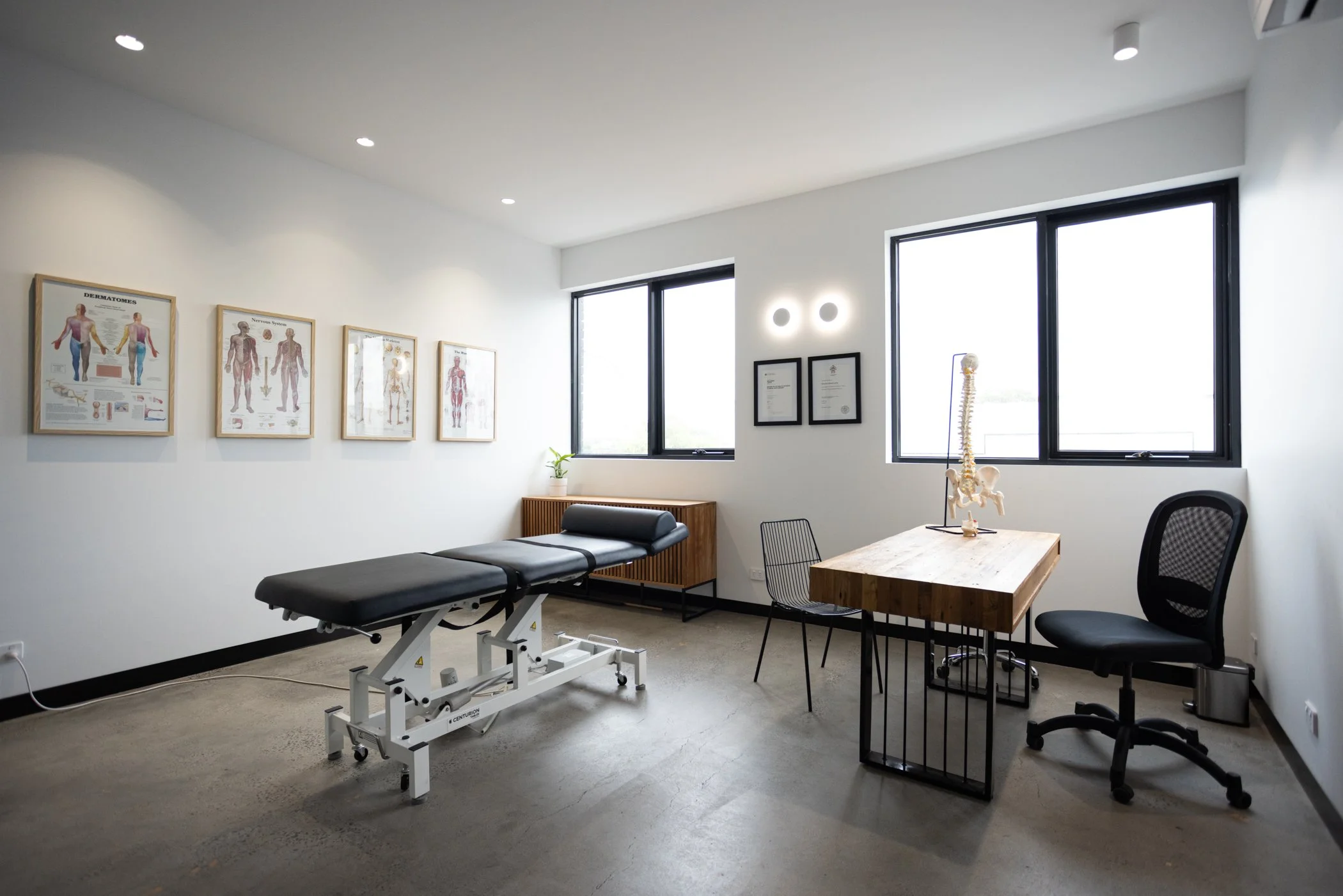
We assess how your pain behaves with different neck movements, positions, and activities (work, daily tasks, exercise), what specific tasks or movements provoke symptoms and what provides relief, your cervical mobility, strength, and control, the relationship between your neck, upper back, and shoulder function, and your daily demands, goals, and what you're trying to get back to doing.
Clinical assessment reveals more useful information than imaging alone. Understanding how your cervical spine responds to daily demands guides treatment more effectively than chasing findings on scans.
Intelligent Activity Modification (Not Complete Rest)
Early rehabilitation focuses on strategic modification of what's currently exceeding your tolerance, not stopping all activity. This means temporarily adjusting aggravating positions at work or home, modifying how you perform tasks causing sharp neck pain, maintaining activities that don't aggravate symptoms (walking, gentle movement, daily tasks), and managing cumulative demands whilst staying active.
Complete rest rarely benefits people and often leads to deconditioning that makes return to normal activities harder.
Targeted Capacity Building
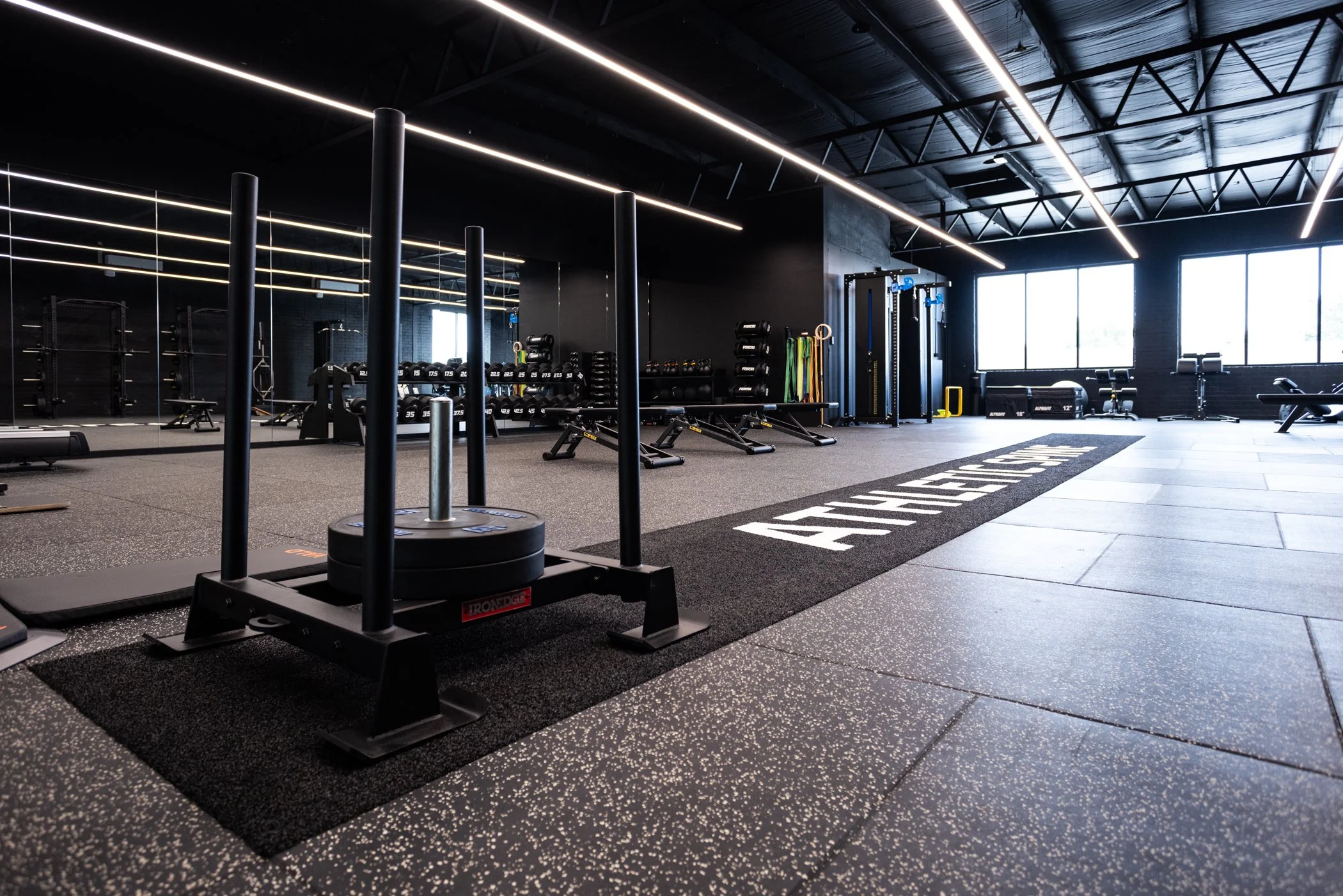
Once acute symptoms settle, focus shifts to building specific capacity through developing cervical strength and endurance for your daily demands (sitting, driving, lifting, carrying), improving upper back and shoulder mobility to reduce compensatory neck motion, enhancing movement control and load distribution, and progressively loading the neck to build tolerance across various positions.
This isn't generic neck strengthening or endless stretching, it's targeted capacity building matched to your specific needs, whether that's sitting comfortably at work, caring for children, exercising, or playing sport.
Progressive Return to Normal Activities
The gap between feeling better during simple movements and returning to full work, household demands, exercise, or sport is where many programs fail. We bridge this gap through graduated return to previously aggravating activities, systematic increase in activity duration and intensity, building confidence through successful exposure to movements you've been avoiding, and developing strategies to manage demands and recognise early warning signs independently.
Objective Markers of Improvement
We track measurable progress including improved tolerance to daily activities (working longer, driving comfortably, lifting without pain), successful return to work demands, household tasks, or exercise, reduced frequency and severity of symptom flare-ups, and increased independence in managing your neck.
Progress isn't always linear, but the overall trend should be toward improved capacity and function.
For Details on available services and to book a session, click the link below.
What Makes Athletic Spine Different
We specialise exclusively in spinal rehabilitation, not general musculoskeletal physiotherapy. This focused expertise means we understand how neck pain presents across different lifestyles, from sedentary work to manual labour to competitive sport, can differentiate between similar-presenting cervical conditions requiring different management, and have successfully treated your specific neck condition repeatedly.
Success is defined by outcomes, whether you've returned to work, whether you can perform daily activities without restriction, whether you can exercise or play sport, and whether you understand how to manage your neck long-term, not by session frequency.
Our goal is building independence. We educate you to understand your condition and its relationship to your activities, recognise early warning signs before they escalate, modify activities and positions appropriately when needed, and progress recovery without constant professional supervision.
When your recovery requires coordination with other healthcare providers, your GP for imaging, specialists for further investigation, or workplace ergonomics assessment, we facilitate that communication and advocate for evidence-based care when you've been dismissed or given overly simplistic explanations.
When to Seek a Physio for Neck Pain
Not all neck pain requires professional intervention, but certain scenarios warrant expert assessment.
Red Flags Requiring Immediate Medical Attention
Seek urgent medical care if you experience progressive weakness in arms or hands, loss of coordination or balance, difficulty swallowing or breathing, severe headache with neck stiffness and fever, significant trauma followed by persistent severe pain, or loss of bowel or bladder control.
When Professional Physiotherapy Assessment Is Appropriate
Consider assessment by a spine-focused physiotherapist if your neck pain has lasted more than 2-3 weeks without improvement, you experience recurrent flare-ups affecting work or daily activities, pain significantly disrupts sleep or daily function, symptoms are worsening rather than gradually improving, you have arm symptoms (numbness, tingling, weakness, or pain radiating past the elbow), headaches accompanying or following neck pain, or you're unsure what's causing your pain or how to progress safely.
Early intervention typically prevents acute issues from becoming chronic problems and reduces time away from work and normal activities.
For Details on available services and to book a session, click the link below.
Meet The Team
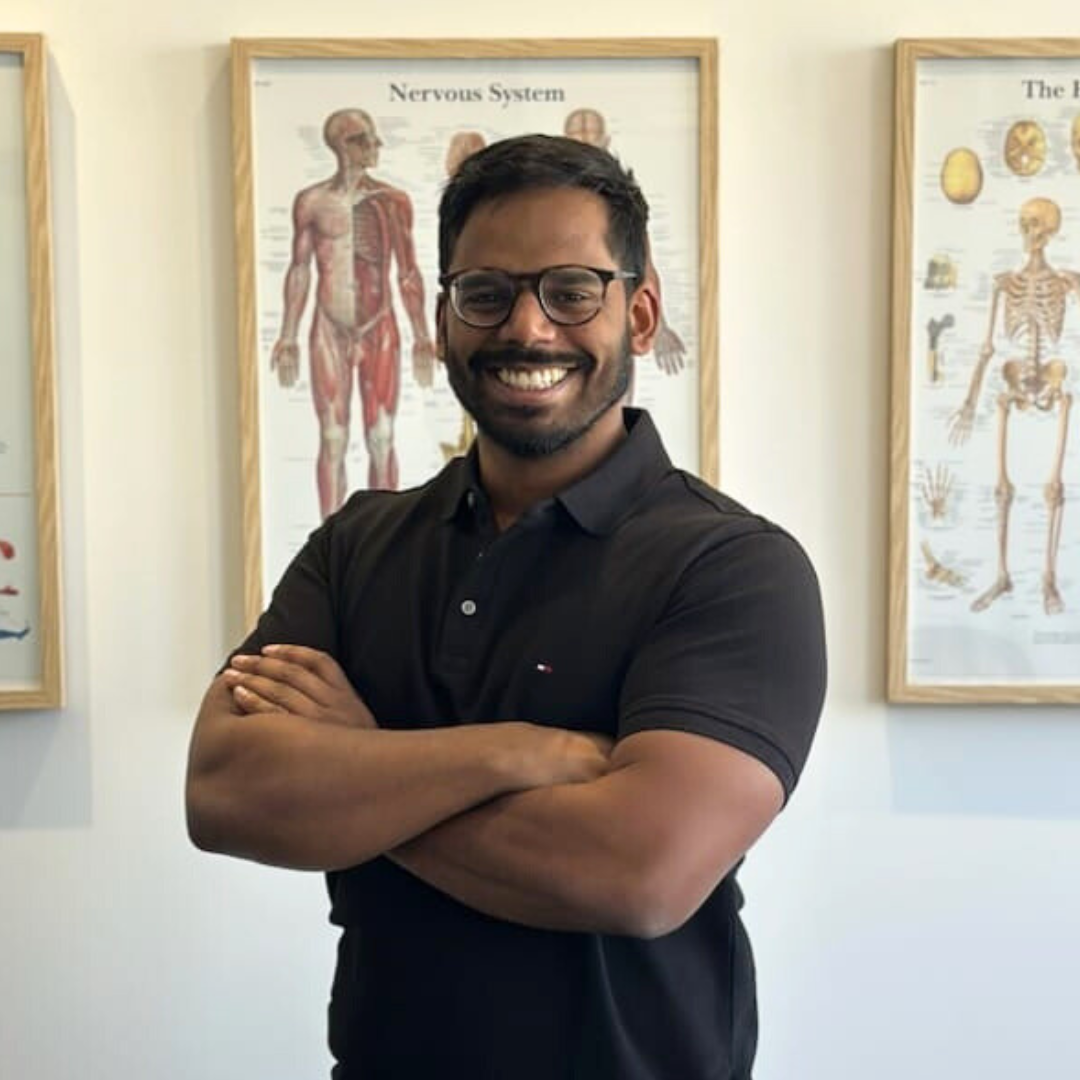
YOMITHA NAVARATNE
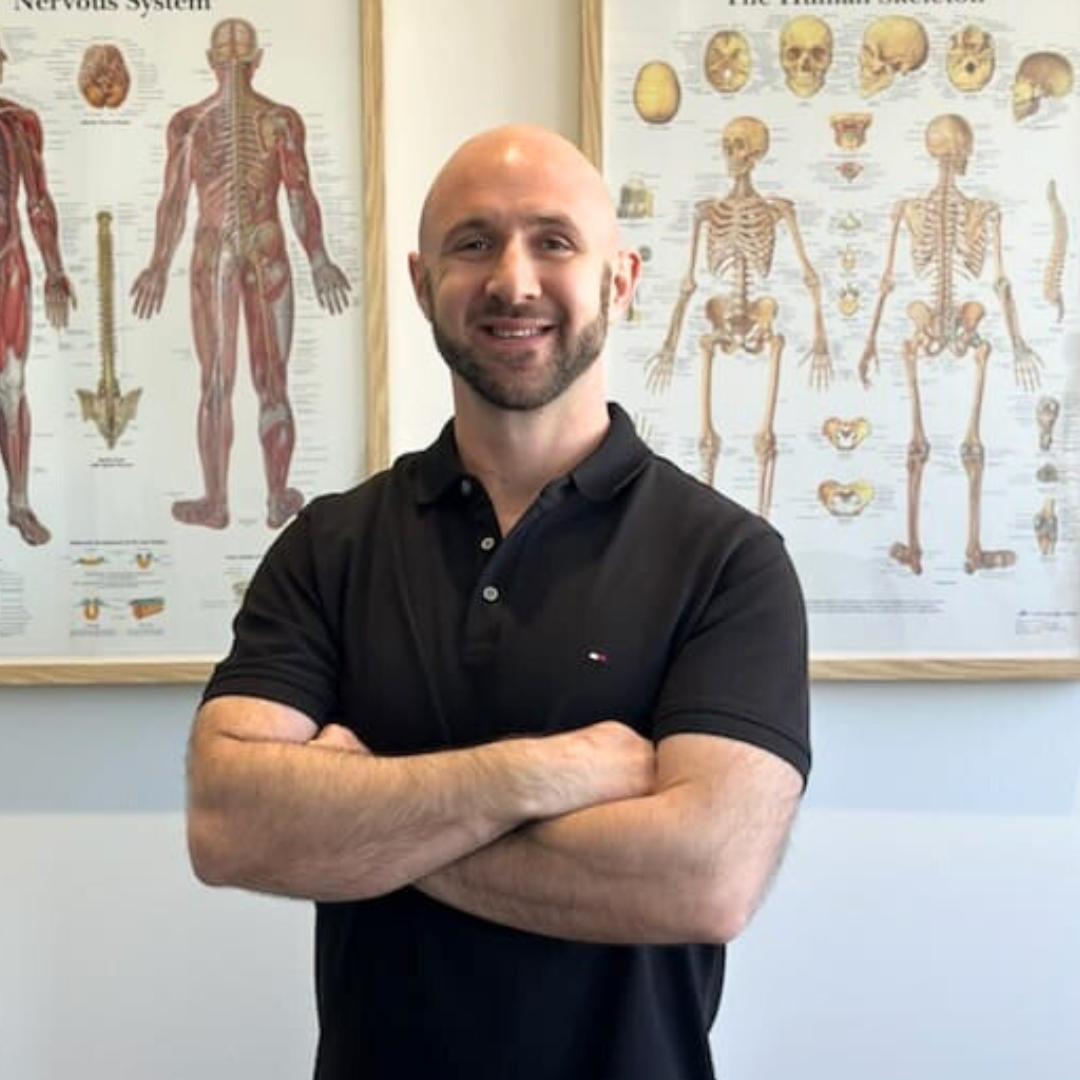
Benjamin Lustig
FounderBHSc M. Physio
M. Sports PhysioFor Details on available services and to book a session, click the link below.
Frequently Asked Questions
-
Item descriptionYes. Nerve sensitivity can occur due to a range of reasons, including a capacity mismatch. As a neck pain specialist in Brunswick, we focus on restoring load tolerance to the cervical tissues. Even with structural changes, the body is not fragile; it can adapt. We create a pathway to reduce nerve irritability and rebuild the neck's ability to handle movement and pressure.
-
Passive treatments like massage provide temporary relief but don't build long-term capacity. A physio for neck pain at Athletic Spine utilises progressive loading to ensure the muscles supporting your neck are resilient. We move beyond "fixing" tight spots to graduated re-exposure of the demands that caused the flare-up, ensuring your neck is better equipped for the future.
-
We prioritise function over pain scores alone. Being a premier physio for neck pain in Melbourne means we focus on what you can do. Our framework promotes independence, teaching you to understand your neck’s signals and manage flare-ups yourself. We don't just treat you; we graduate you from care with the confidence to stay active and self-sufficient.
-
Recurrent neck pain often results from incomplete rehabilitation that addressed symptoms but didn't build underlying capacity, returning to previous activity patterns without progression, poor load management (long work hours without breaks, doing too much too soon), or unaddressed movement patterns, strength deficits, or positional tolerance. Effective rehabilitation builds resilience and provides strategies to prevent recurrence, not just temporary symptom relief.
-
Imaging is not always necessary. Most neck pain can be assessed and managed through clinical examination and understanding symptom behaviour. Scans (MRI, X-ray, CT) are useful when red flags are present, neurological symptoms are significant or worsening (arm weakness, numbness, coordination issues), symptoms don't respond to appropriate management after 6-8 weeks, or structural pathology is suspected. Your physiotherapist can determine whether imaging is appropriate for your situation.
-
Yes, with intelligent modification. Complete rest rarely accelerates recovery and often leads to deconditioning. Most people can continue modified work, gentle exercise, and daily activities by temporarily reducing or adjusting movements that significantly provoke symptoms, modifying how you perform aggravating tasks, maintaining activities that don't cause sharp pain, and progressively reintroducing neck-loading activities as tolerance improves. The goal is staying active whilst respecting current tolerance.
-
Often, yes. The cervical and thoracic spine function as an interconnected system. Upper back stiffness forces the neck to compensate with excessive movement, leading to overload. Similarly, protective guarding from neck pain can restrict upper back motion, causing secondary thoracic symptoms. Effective treatment often addresses both regions rather than focusing on the neck in isolation.
-
Recovery timelines vary based on underlying cause and individual factors. Acute muscular strain often improves within 2-4 weeks with appropriate activity management. Facet joint irritation may settle in 3-6 weeks. Disc-related pain might require 6-12 weeks of progressive rehabilitation. However, improvement in function and daily capacity often occurs before complete symptom resolution. The goal is returning to normal activities, not waiting for zero pain in all scenarios.
-
Ergonomic adjustments can help, but they're not always the complete solution. While optimising screen height, chair position, and desk layout can reduce sustained neck loading, many people in "perfect" setups still develop pain, whilst others in less-than-ideal environments remain symptom-free. What matters more is your neck's capacity to tolerate sustained positions and your movement variability throughout the day. Effective treatment combines reasonable ergonomic adjustments with building robust positional tolerance and regular movement breaks.
Take Control of Your Neck Pain
Neck pain doesn't have to limit your work performance, daily activities, exercise, or quality of life. With accurate assessment, targeted rehabilitation, and systematic capacity building, most people return to full function, often with better movement quality, greater load tolerance, and clearer self-management strategies than before symptoms developed.
If you're dealing with persistent or recurrent neck pain and want clarity on your specific situation, professional assessment can provide a structured pathway forward. Athletic Spine specialises in evidence-based cervical spine rehabilitation in Brunswick, treating everyone from office workers and manual labourers to parents, weekend exercisers, and competitive athletes, with a focus on measurable outcomes, building independence, and helping you return to what matters most.
Contact us to discuss your neck pain and how we can help guide your recovery.
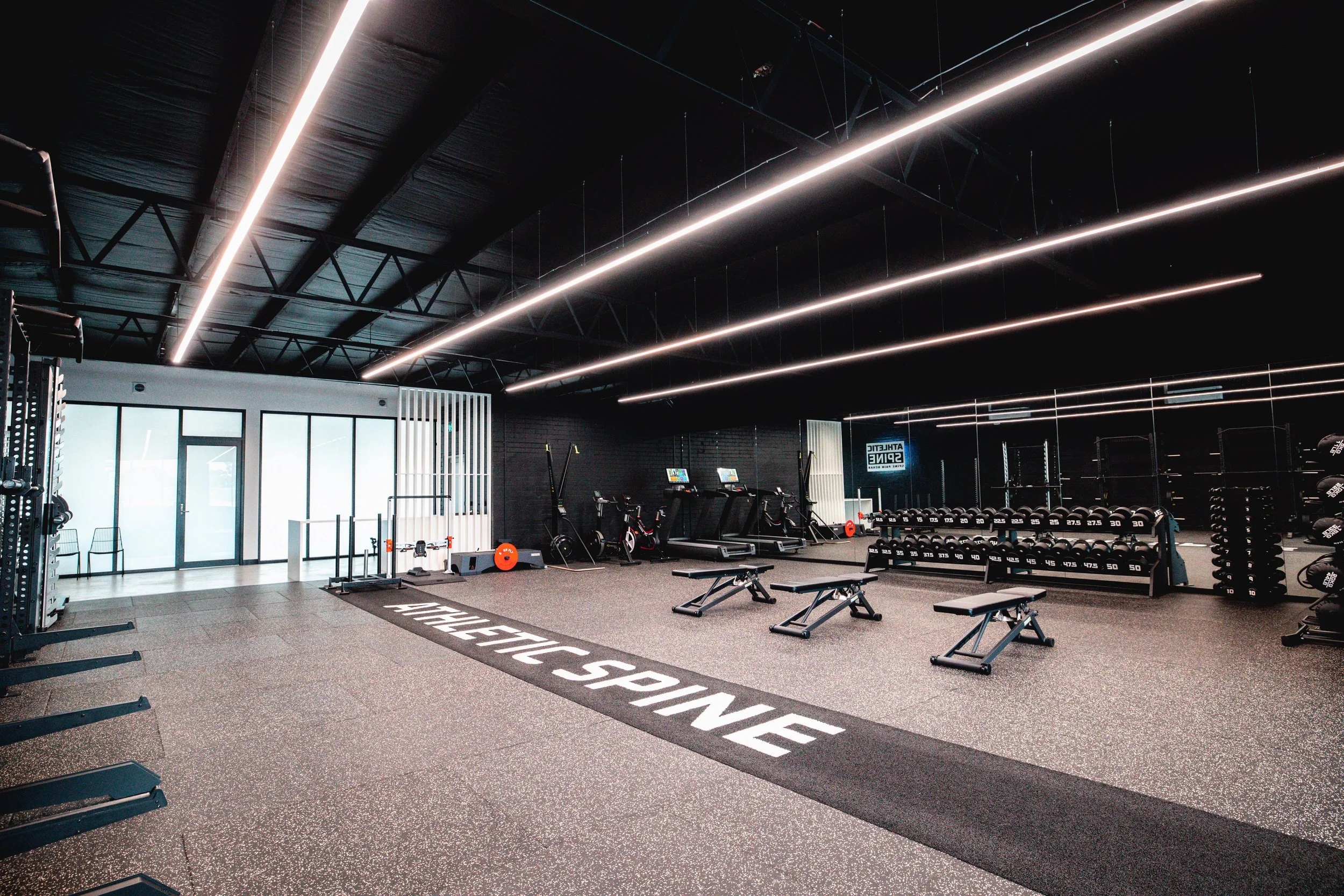
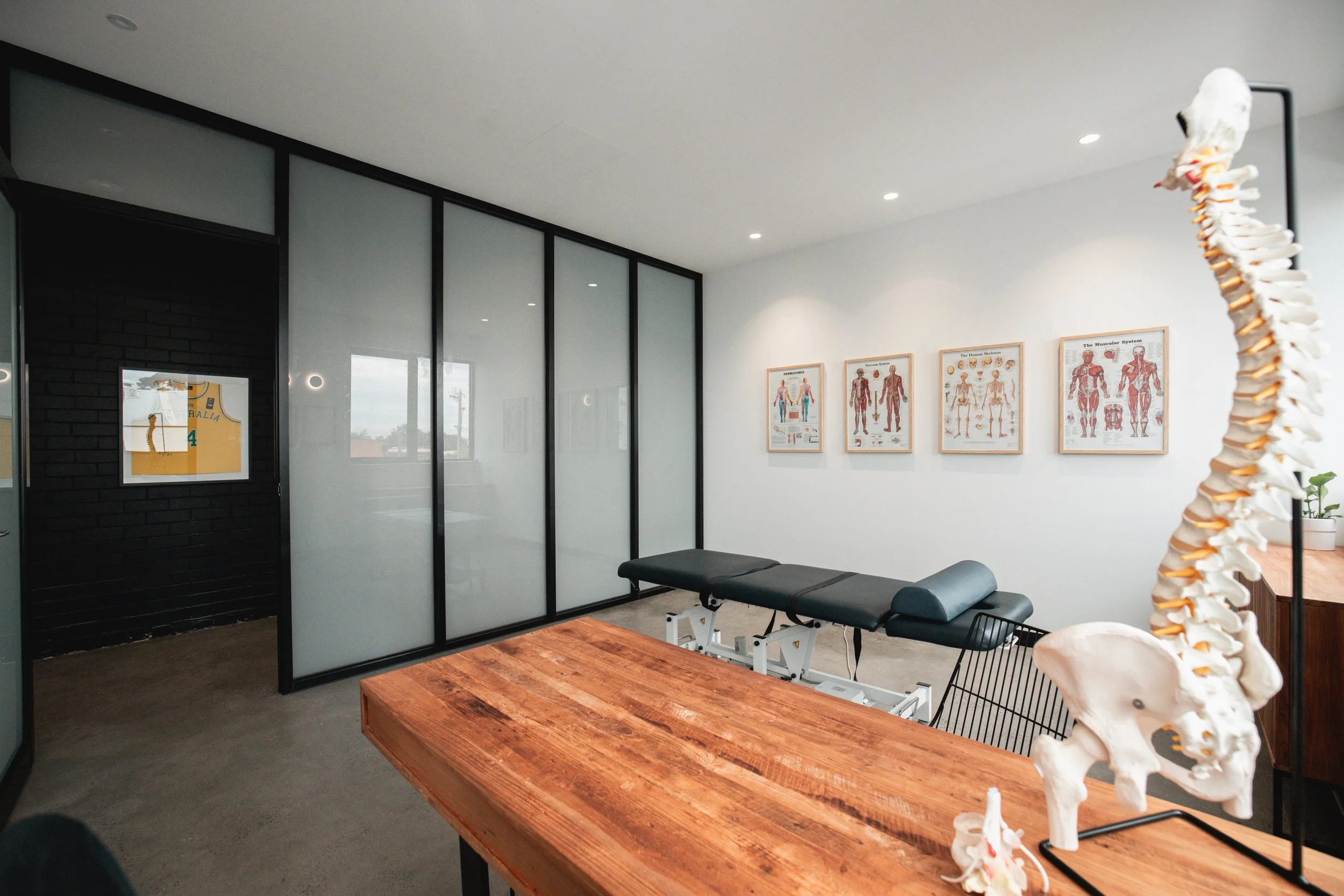
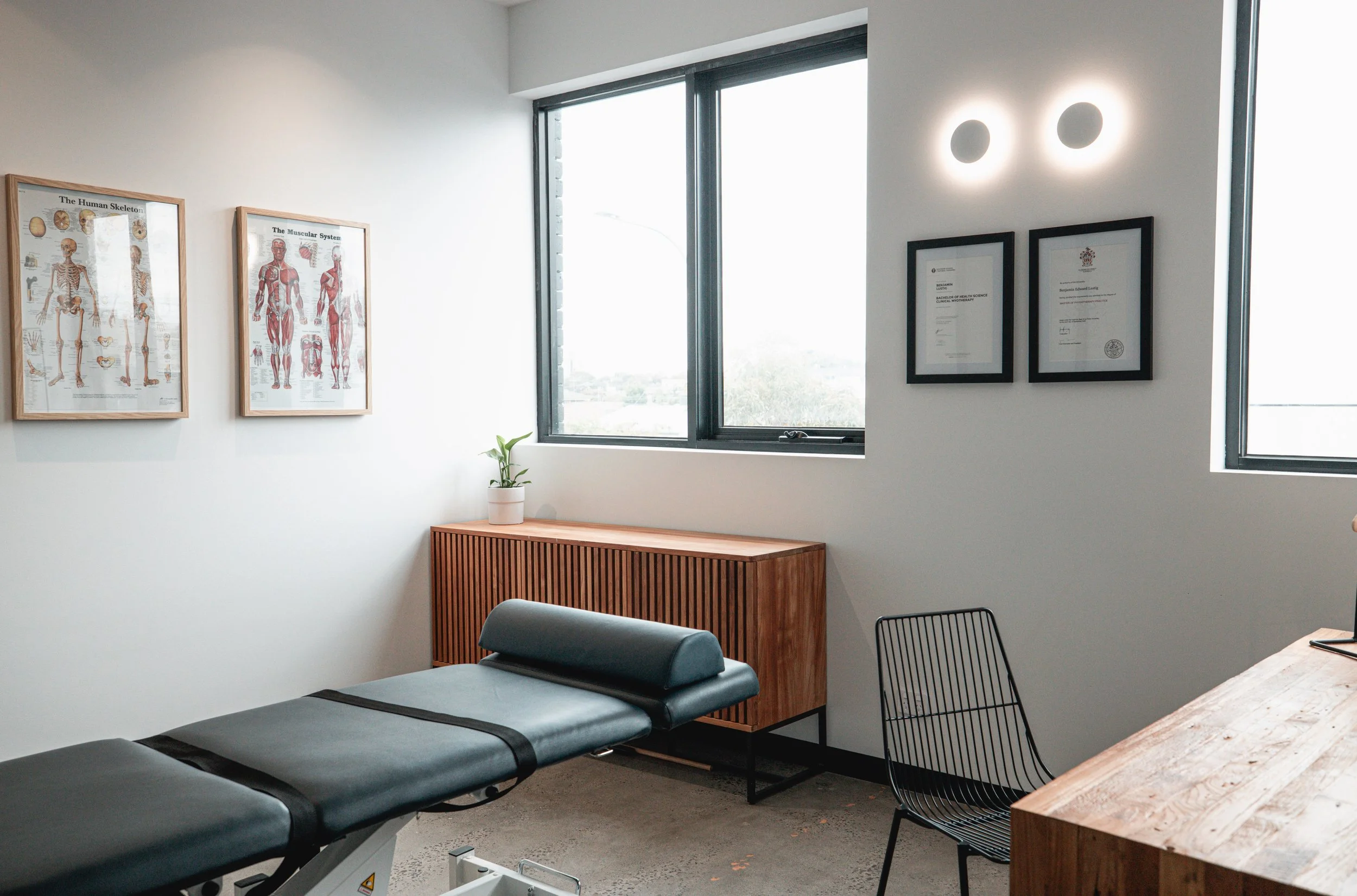
The Clinic

Are You A New Patient?
All new patients are invited to book an initial Physiotherapy consultation. The initial consultation includes:
Medical & injury history
Clinical and/or performance related goals established
Full Physiotherapy assessment & diagnosis
Individualised posture, mobility, strength and technique corrections
Modification of daily and/or training movements to reduce re-injury risk
Education to enhance understanding of the injury and reduce relapse risk
Follow up to enhance accountability & support
One hour duration
HICAPS available onsite to process private healthcare & Medicare rebates (where eligible)
For Details on available services and to book a session, click the link below.
Contact
We greatly look forward to hearing from you. Please complete the form below to get in touch. Otherwise you can book an appointment online here.
Location
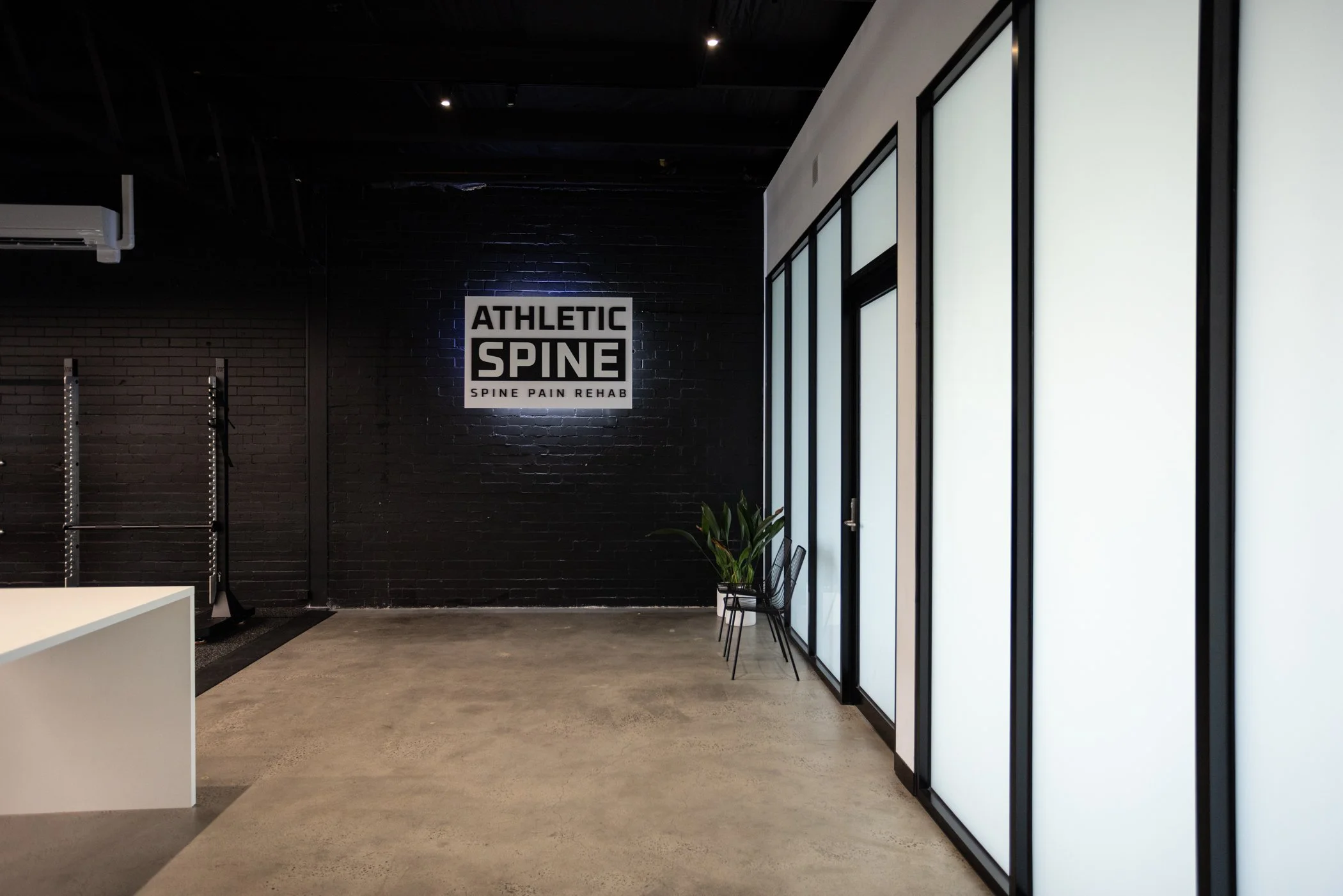
Athletic Spine is located at 83A Weston Street, Brunswick, Victoria 3056