
Low Back Pain Physiotherapy
If you've been dealing with lower back pain for weeks or months, you've probably already tried rest, pain medication, generic exercises, or stretching, without lasting improvement. You might have been told your pain is just "muscular," that you need to "strengthen your core," or to avoid certain movements indefinitely. Yet the pain keeps returning, disrupting your work, daily activities, and quality of life.
Lower back pain affects people from all walks of life, office workers, tradies, parents, weekend athletes, and elite competitors. The problem isn't that your back is weak or broken, it's that most approaches fail to identify what's actually driving your symptoms and don't build the specific capacity you need to return to the activities you value.
At Athletic Spine, we specialise exclusively in spinal rehabilitation. Our evidence-based approach focuses on accurate assessment, targeted treatment, and measurable outcomes, getting you back to work, daily activities, training, and sport stronger and more resilient than before.
For Details on available services and to book a session, click the link below.
What Causes Lower Back Pain?
Lower back pain isn't a single condition, it's a symptom with multiple potential causes. Understanding what's driving your pain is critical for effective treatment.
Disc-Related Pain
Intervertebral discs sit between vertebrae and act as shock absorbers and allow spinal movement. Disc-related pain can range from discogenic pain (pain originating from the disc structure itself) to disc herniation or bulge causing nerve compression. Contrary to popular belief, disc bulges are common in pain-free individuals, imaging findings don't always correlate with symptoms. What matters is how your disc responds to daily activities and whether it's causing nerve irritation.
Facet Joint Pain
Facet joints are small paired joints at the back of each spinal segment that control movement, particularly extension and rotation. Facet joint pain typically worsens with backward bending, arching, or rotational movements. This pain is common in people who spend time gardening, doing housework, lifting at work, or participating in sports like golf, tennis, or gym training. The pain usually stays localised to the back rather than radiating down the leg.
Sacroiliac Joint Pain
The SI joints transfer load between your spine and pelvis during movement. SI joint pain often presents as one-sided lower back or pelvic pain that worsens with single-leg activities, walking, standing, or climbing stairs. Despite common misconceptions, SI joint pain is rarely due to "instability" or "weakness", it's typically a load tolerance issue affecting people across all activity levels.
Spondylolysis and Stress Injuries
Spondylolysis is a stress fracture of the pars interarticularis, most common in people performing repetitive extension and rotation movements, whether that's sporting activities, manual labour, or prolonged standing work. These are load-related bone stress injuries, not catastrophic fractures. With appropriate management, most heal well and allow full return to normal activities.
Load-Related Muscular Pain
Sometimes lower back pain results from muscles and connective tissues being asked to manage loads they're not currently conditioned to handle. This might occur after increased physical activity, changes in work demands, caring for young children, returning to exercise after time off, or inadequate recovery between demanding activities. The tissues aren't inherently weak, they've encountered a load tolerance limit.
For Details on available services and to book a session, click the link below.
Why Generic Treatment Often Fails
Many people seek treatment for lower back pain but don't see lasting improvement. This isn't because treatment doesn't work, it's because the approach matters.
Generic treatment often fails when assessment lacks specificity. You're given exercises without a clear understanding of what's driving your pain. Treatment focuses on passive approaches (massage, heat packs, stretching) that provide temporary relief without building long-term capacity. Exercise prescription is generic, not matched to your specific condition or daily demands. There's no measurable progression, no clear markers of improvement beyond "how does it feel?" And there's no practical plan for returning to work, caring for family, exercising, or playing sport.
Whether you're trying to get back to your desk job, manual work, running around after kids, or competitive sport, you need accurate assessment, targeted capacity building, and a structured pathway to return to what matters to you.
Our Approach to Lower Back Pain Rehabilitation
Effective lower back pain treatment is progressive, specific, and outcome-focused. Here's how we structure rehabilitation at Athletic Spine.
Thorough Assessment of Load Tolerance and Movement
We don't just ask where it hurts, we assess how your pain behaves with different movements and activities (work, household tasks, exercise, sport), what positions or activities aggravate or relieve symptoms, your movement patterns, strength, and control, and your daily demands, goals, and what you're trying to get back to doing.
This clinical assessment often provides more useful information than imaging alone. Understanding symptom behaviour guides treatment more effectively than chasing findings on scans.
Intelligent Activity Modification (Not Complete Rest)
Early rehabilitation isn't about stopping all activity, it's about strategic modification of what's currently exceeding your tolerance. This means temporarily reducing or modifying aggravating activities at work or home, adjusting how you perform tasks that provoke significant symptoms, continuing activities that don't aggravate pain (walking, gentle exercise, daily tasks), and managing cumulative demands whilst staying active.
Complete rest rarely accelerates recovery and often makes return to normal activities more difficult due to deconditioning.
Targeted Capacity Building
Once acute symptoms settle, focus shifts to building specific capacity. This involves developing movement control and spinal stability, improving mobility in areas contributing to compensatory back motion (hips, upper back), systematically strengthening your back to tolerate the positions and loads your daily life requires, and addressing movement patterns that create excessive stress on pain-sensitive structures.
This isn't generic core strengthening or postural correction, it's targeted capacity building matched to your specific needs, whether that's sitting at a desk, lifting at work, caring for children, exercising, or playing sport.
Progressive Return to Normal Activities
The gap between feeling better during simple movements and returning to full work, household demands, exercise, or sport is where many rehabilitation programs fail. We bridge this gap through graduated return to previously aggravating activities, progressive increase in activity duration, intensity, and complexity, building confidence through successful exposure to movements you've been avoiding, and developing strategies to manage demands and recognise early warning signs independently.
Objective Markers of Improvement
We track measurable progress, not just subjective pain levels. This includes improved tolerance to daily activities (sitting longer, standing more, walking further), successful return to work demands, household tasks, or exercise, reduced frequency and severity of flare-ups, and increased independence in managing your condition.
Progress isn't always linear, but the overall trend should be toward improved capacity and function.
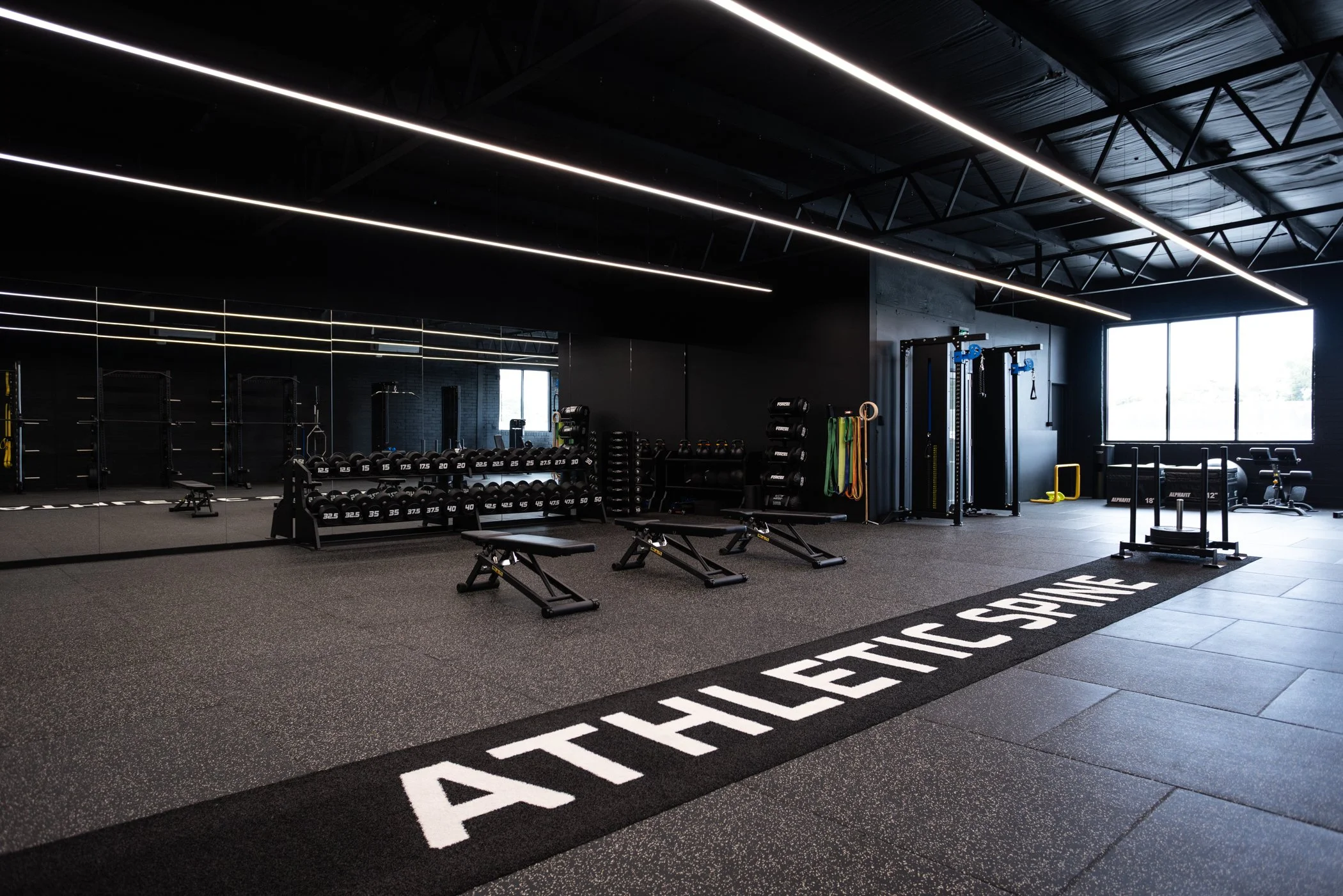
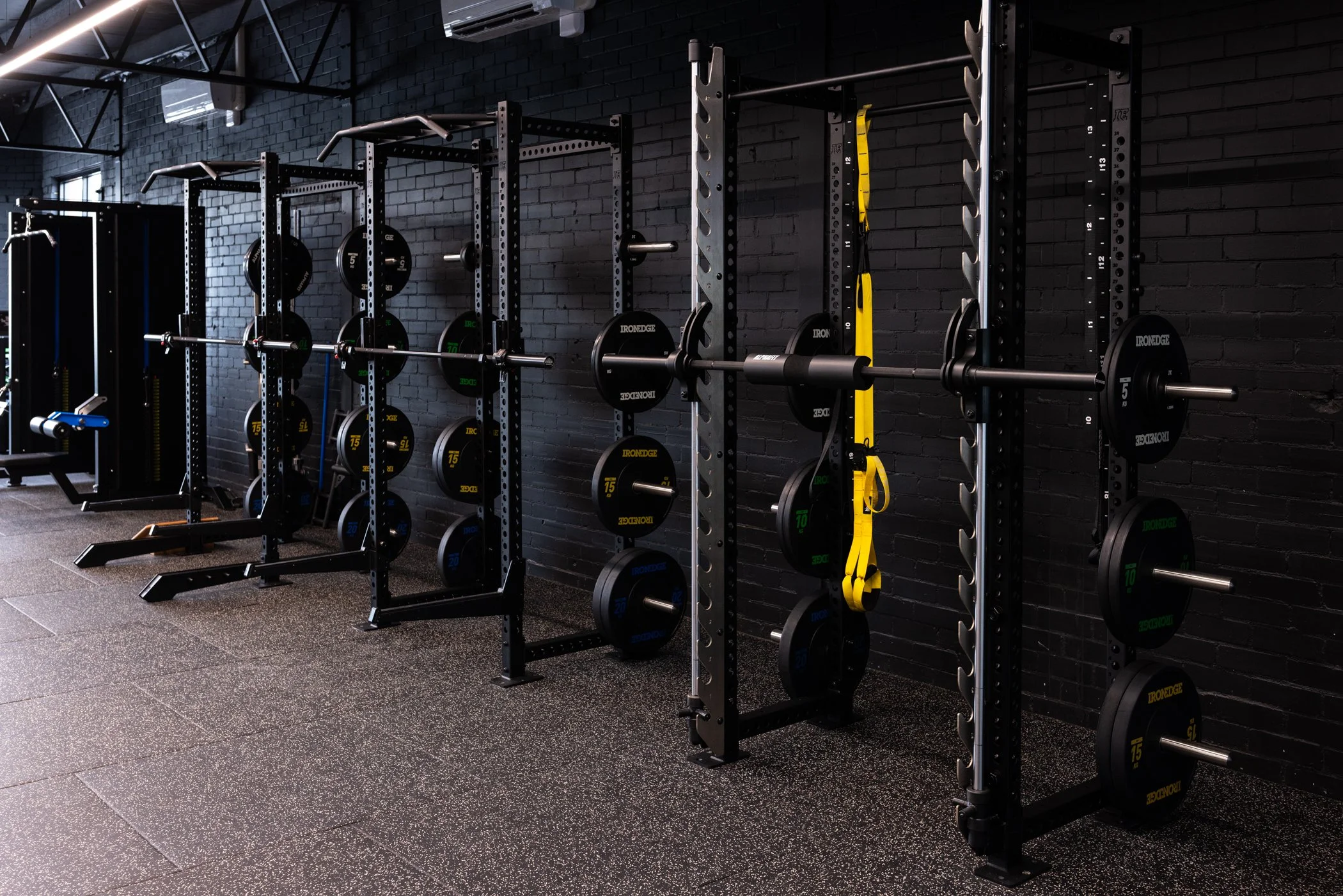
For Details on available services and to book a session, click the link below.
What Makes Athletic Spine Different
Unlike general physiotherapy clinics treating diverse conditions, we specialise exclusively in spinal rehabilitation. This focused expertise means we've successfully treated your specific spinal condition repeatedly, understand demands across different lifestyles, from sedentary work to manual labour to competitive sport, and can differentiate between similar-presenting conditions that require different management.
We define success by outcomes, whether you've returned to work, whether you can perform daily activities without restriction, whether you can exercise or play sport, and whether you understand how to manage your back long-term, not by how many sessions you've attended.
Our goal is building your independence. We educate you to understand your condition, recognise warning signs, modify activities appropriately when needed, and progress your recovery safely without constant supervision. Effective treatment shouldn't create long-term reliance on ongoing appointments.
When your recovery requires coordination with other healthcare providers, your GP, imaging specialists, or surgeons, we facilitate that communication. We advocate for evidence-based care when you've been given overly conservative advice or dismissed without proper assessment.
When to Seek Professional Assessment
Not all lower back pain requires professional intervention, but certain scenarios warrant expert assessment.
Red Flags Requiring Immediate Medical Attention
Seek urgent medical care if you experience loss of bowel or bladder control, progressive weakness in both legs, unexplained weight loss or feeling systemically unwell, significant trauma, or saddle numbness (loss of sensation around groin/perineal area).
When Professional Physiotherapy Assessment Is Appropriate
Consider assessment by a spine-focused physiotherapist if your lower back pain has lasted more than 2-3 weeks without meaningful improvement, you experience recurrent flare-ups despite self-management attempts, pain significantly affects work, daily activities, or sleep quality, you have leg symptoms (numbness, tingling, weakness, or pain below the knee), self-management strategies aren't providing adequate relief, or you're unsure what's causing your pain or how to progress safely.
Early intervention typically leads to faster recovery and better long-term outcomes.
For Details on available services and to book a session, click the link below.
Meet The Team
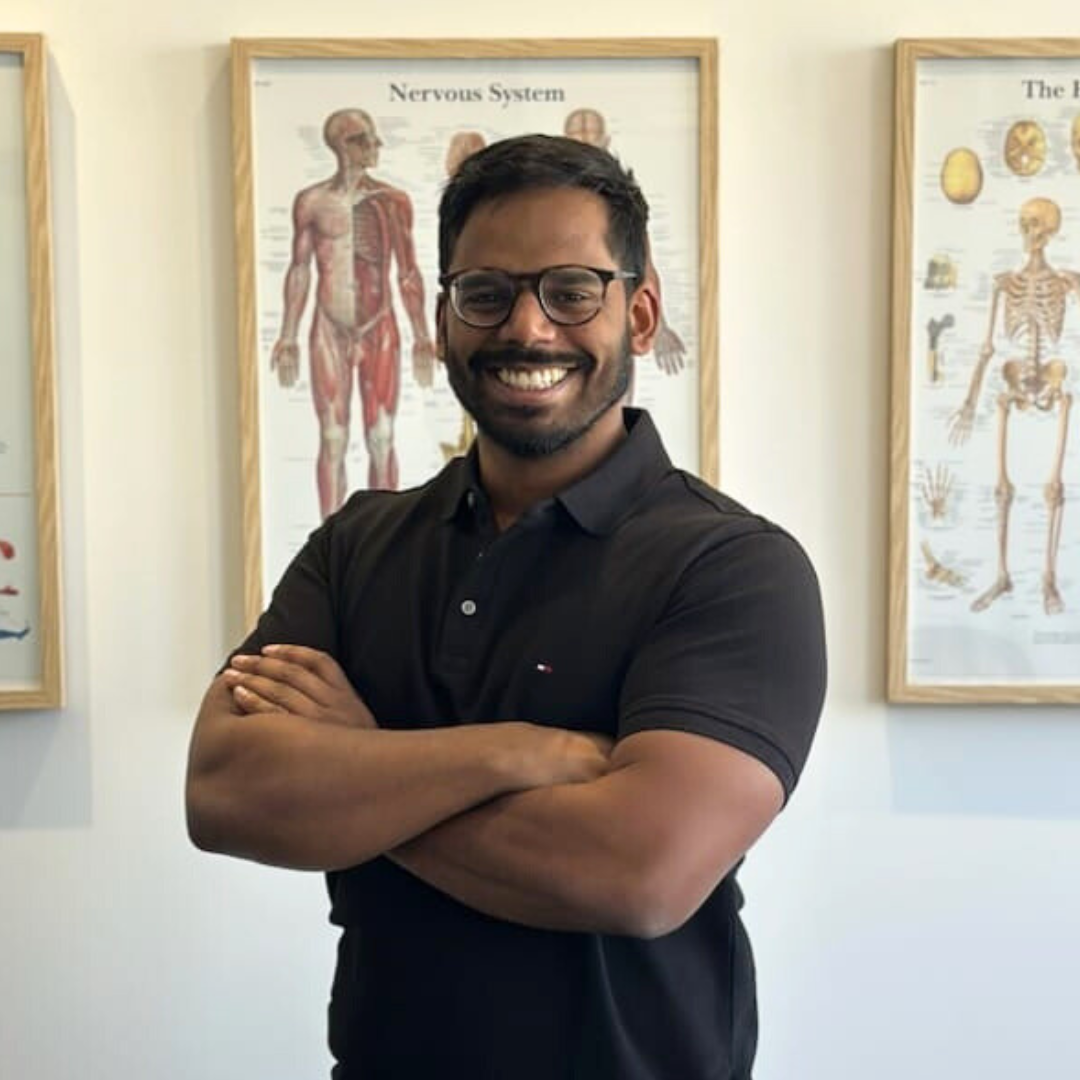
YOMITHA NAVARATNE
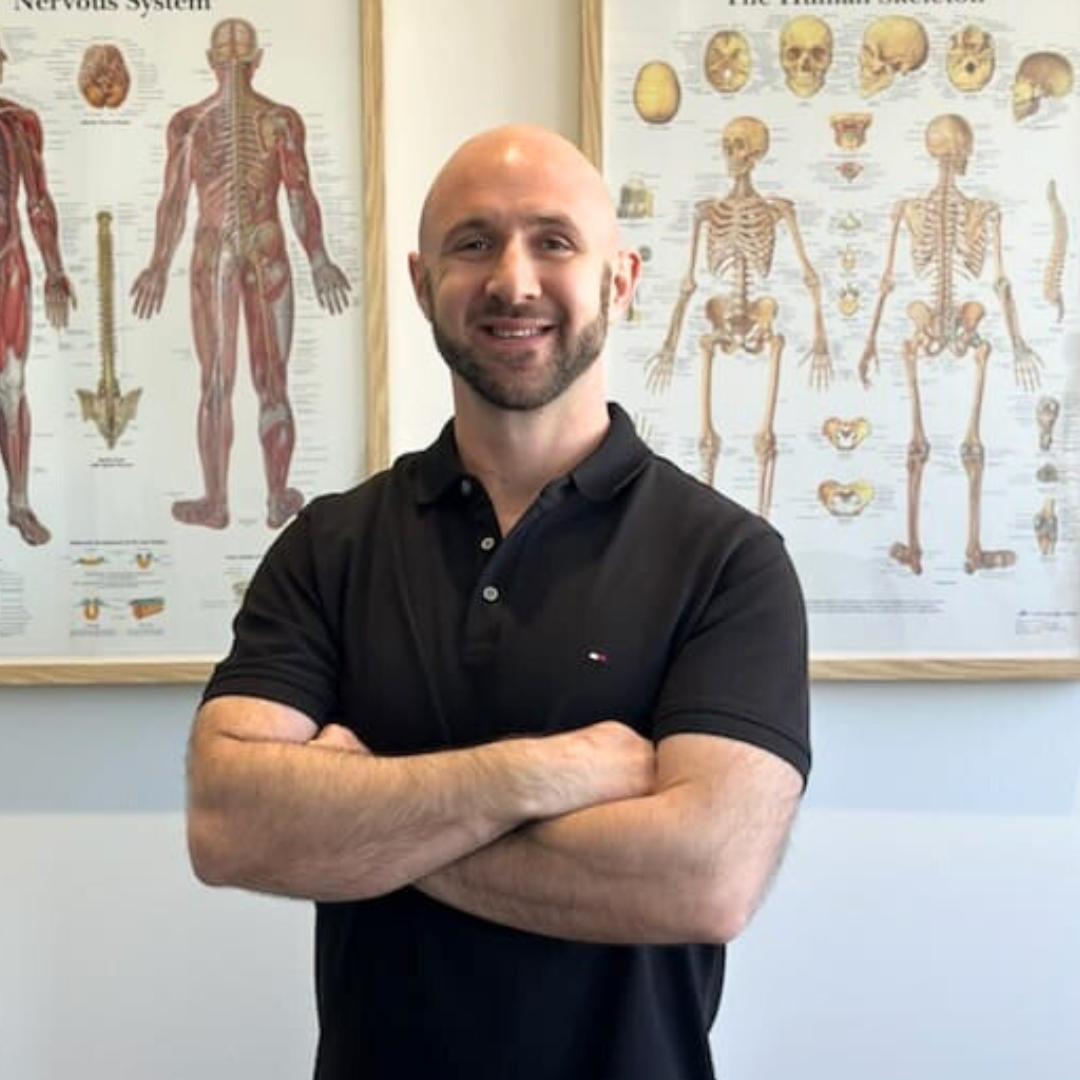
Benjamin Lustig
FounderBHSc M. Physio
M. Sports PhysioFor Details on available services and to book a session, click the link below.
Frequently Asked Questions
-
Absolutely not. The idea that the spine is fragile is a myth; pain often reflects a temporary mismatch between the demand placed on your body and its current capacity. As a specialist physio for lower back pain in Brunswick, we focus on rebuilding your load tolerance rather than fearing structural changes whilst acknowledging the unique nature of your particular spinal issue. Your back is a resilient, adaptable structure that can be systematically strengthened to handle high-level sport and daily life again.
-
Complete rest is often counterproductive as it doesn't build long-term capacity. Working with a lower back pain specialist involves progressive loading over avoidance. We use intelligent movement modification in the short term, followed by a graduated re-exposure to the exact movements you need, like lifting or running, to ensure your recovery is functional and lasting.
-
We prioritise function and capacity over just pain scores. Our reputation as a leading physio for lower back pain in Melbourne is built on equipping you for independence, not dependence. We move beyond passive treatments to provide you with the tools to self-manage, recognising your own early warning signs so you can stay active without needing continuous professional supervision.
-
Recovery timelines vary based on the underlying cause, severity, and individual factors. Acute muscular pain often improves within 2-4 weeks with appropriate management. Disc-related pain or stress injuries may take 6-12 weeks of progressive rehabilitation. However, "healing" isn't about waiting for zero pain, it's about building capacity to return to normal activities. Many people return to modified work or exercise within weeks whilst continuing rehabilitation.
-
Not all lower back pain involves the disc. While disc injuries are common, facet joint pain, SI joint dysfunction, muscular overload, and stress fractures can all cause lower back symptoms. Clinical assessment of symptom behaviour and movement patterns often provides more diagnostic clarity than imaging alone. Many people have disc bulges visible on MRI without any pain.
-
Complete rest rarely accelerates recovery and is no longer recommended in low back pain guidelines. Intelligent activity modification, temporarily reducing or adjusting aggravating activities whilst maintaining movement elsewhere, is more effective. The goal is managing activities relative to current tolerance, not eliminating all movement. Staying active (with appropriate modifications) maintains fitness, prevents deconditioning, and often aids recovery.
-
Lower back pain isn't something you "fix" once and never worry about again. The goal is building robust tolerance to daily demands, understanding your body's capacity limits, developing strategies to manage activities and loads, and recognising early warning signs before they become problematic. Most people who complete structured rehabilitation can return to full function and maintain capacity long-term without ongoing treatment.
-
Imaging (MRI, X-ray, CT) is not always necessary. Most lower back pain can be assessed and managed effectively through clinical examination and understanding symptom behaviour. Imaging is useful when red flags are present, neurological symptoms are significant or worsening, symptoms don't respond to appropriate management after 6-8 weeks, or surgical intervention is being considered. Your physiotherapist can guide whether imaging is appropriate for your situation.
-
Recurrent lower back pain often results from incomplete rehabilitation that addressed symptoms but didn't build underlying capacity, returning to previous activity levels or movement patterns without progression, poor load management (doing too much too soon, inadequate recovery), or unaddressed movement patterns or strength deficits. Effective rehabilitation doesn't just reduce pain, it builds resilience and provides strategies to prevent recurrence.
Take Control of Your Lower Back Pain
Lower back pain doesn't have to limit your work, daily activities, exercise, or quality of life. With accurate assessment, targeted rehabilitation, and commitment to building capacity, most people return to full function, often stronger and more resilient than before.
If you're dealing with persistent or recurrent lower back pain and want clarity on your specific situation, professional assessment can provide a structured pathway forward. Athletic Spine specialises in evidence-based spinal rehabilitation in Brunswick, treating everyone from office workers and manual labourers to weekend warriors and competitive athletes, with a focus on measurable outcomes, building independence, and helping you return to what matters most.
Contact us to discuss your lower back pain and how we can help guide your recovery.
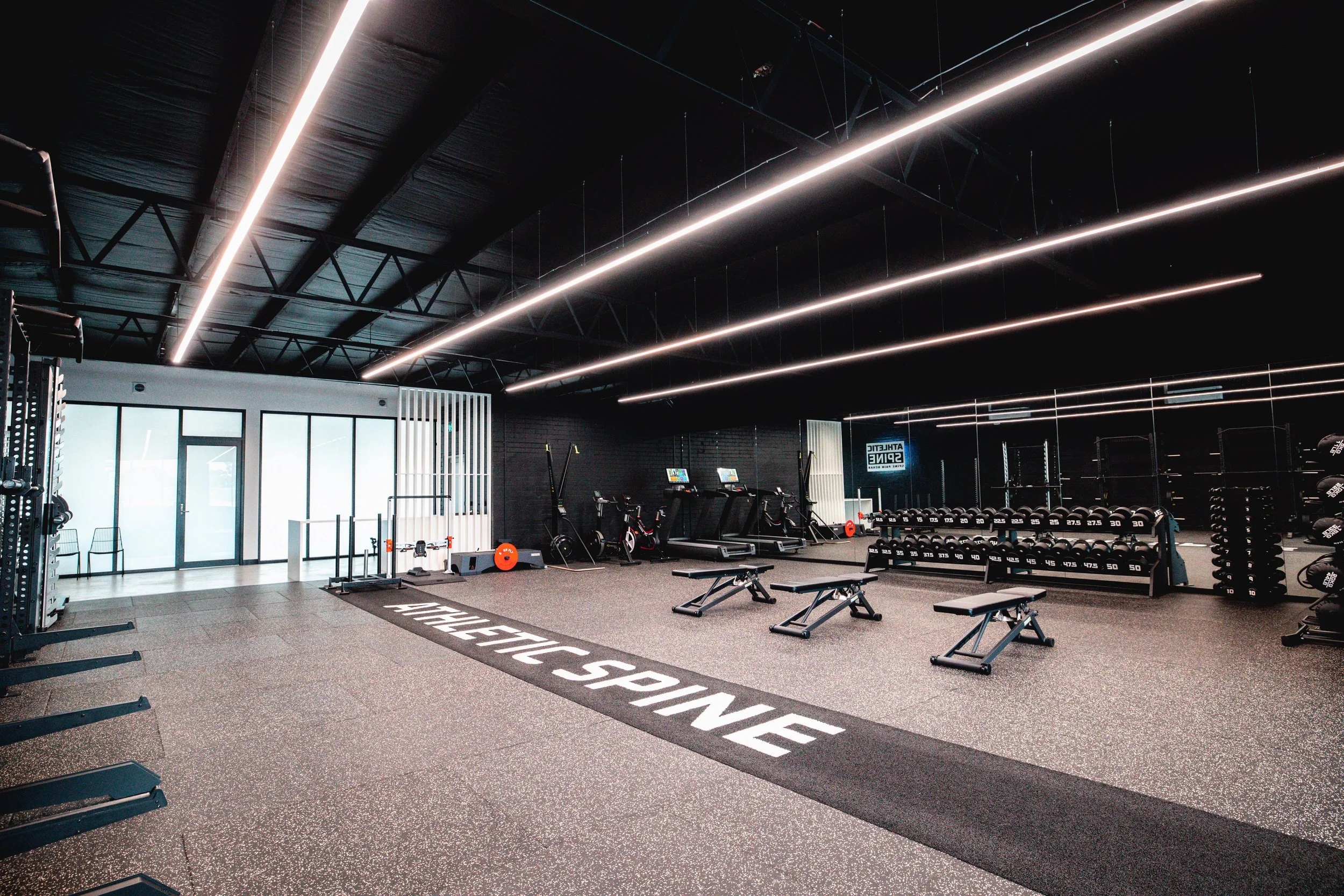
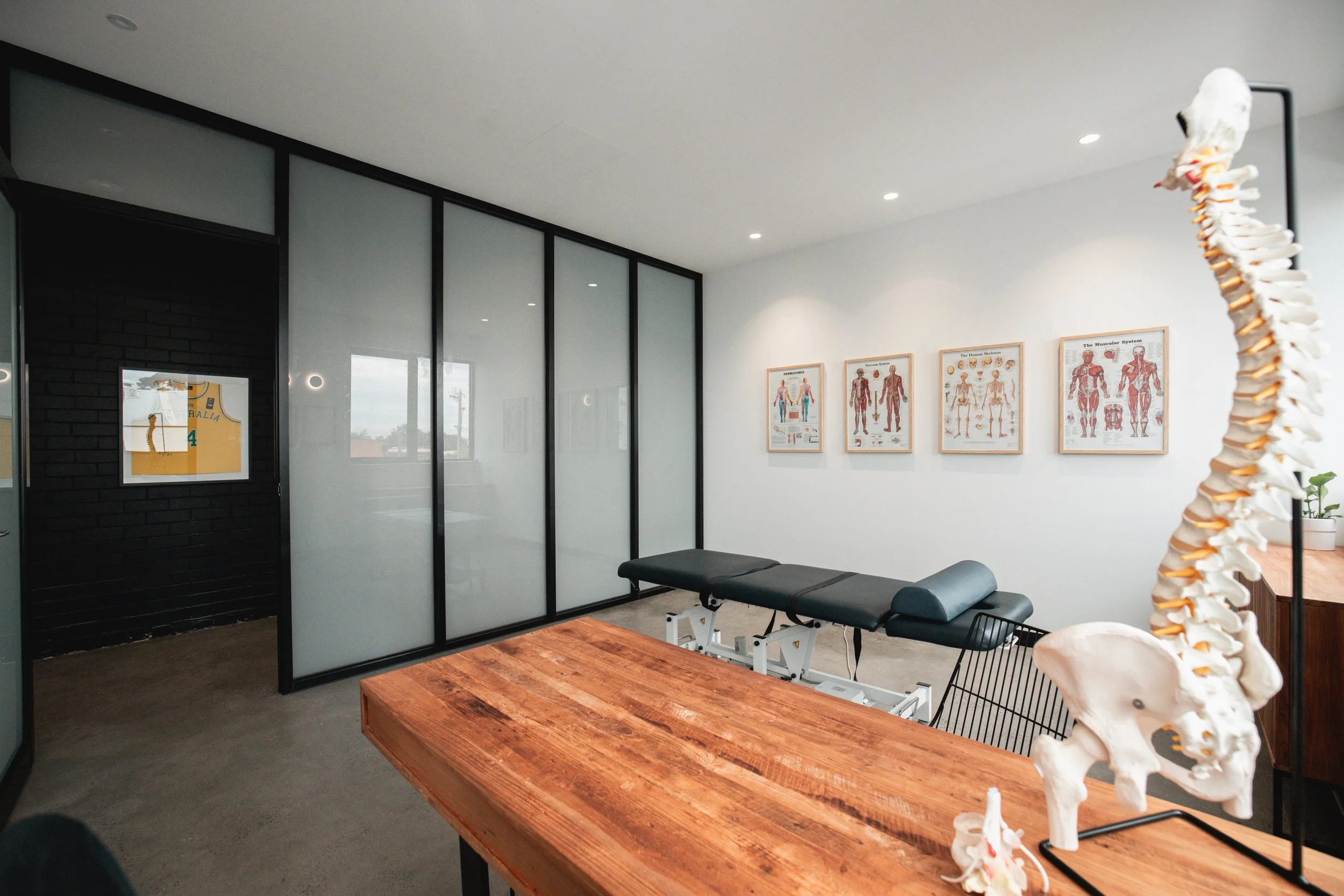
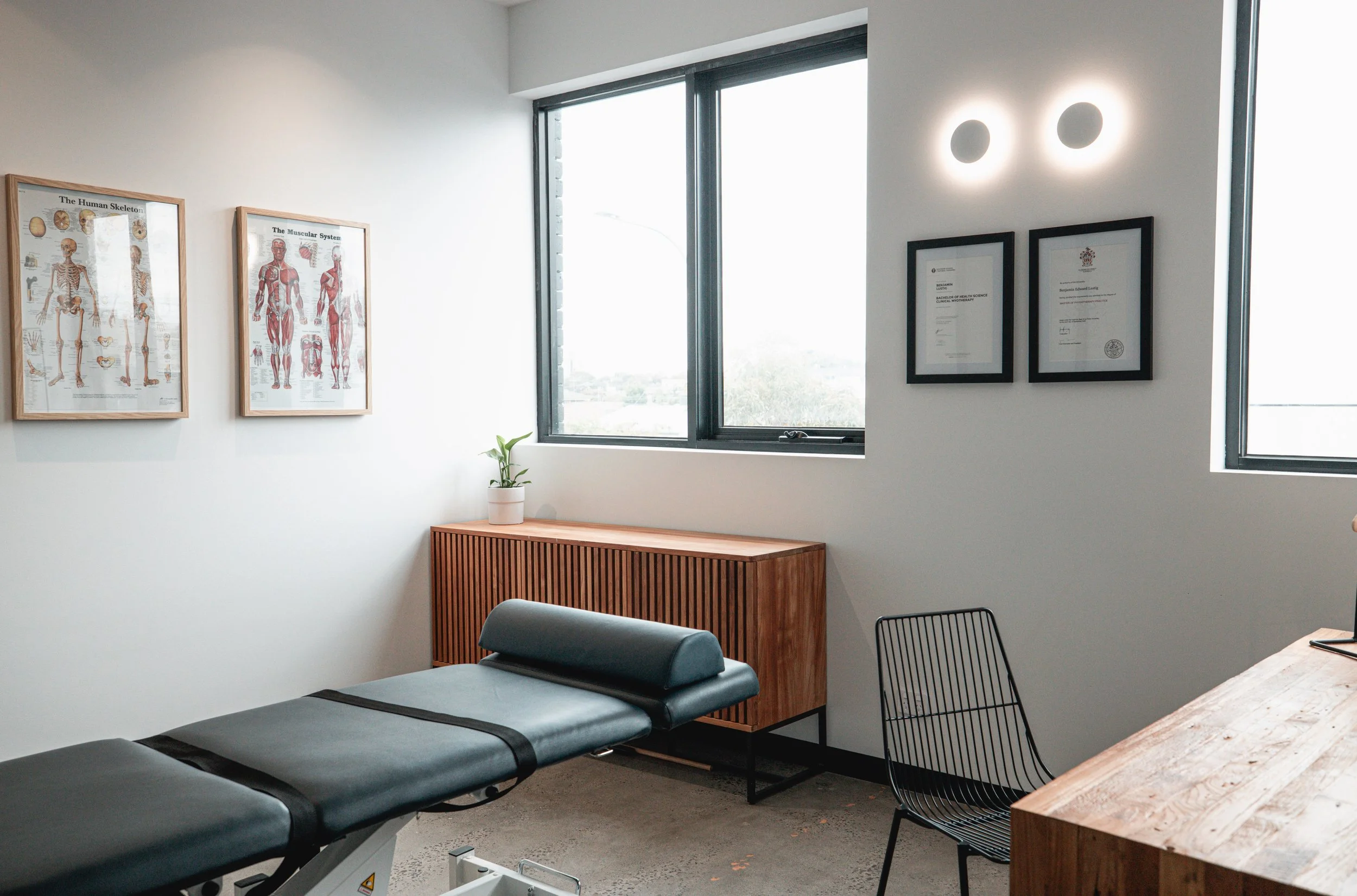
The Clinic

Are You A New Patient?
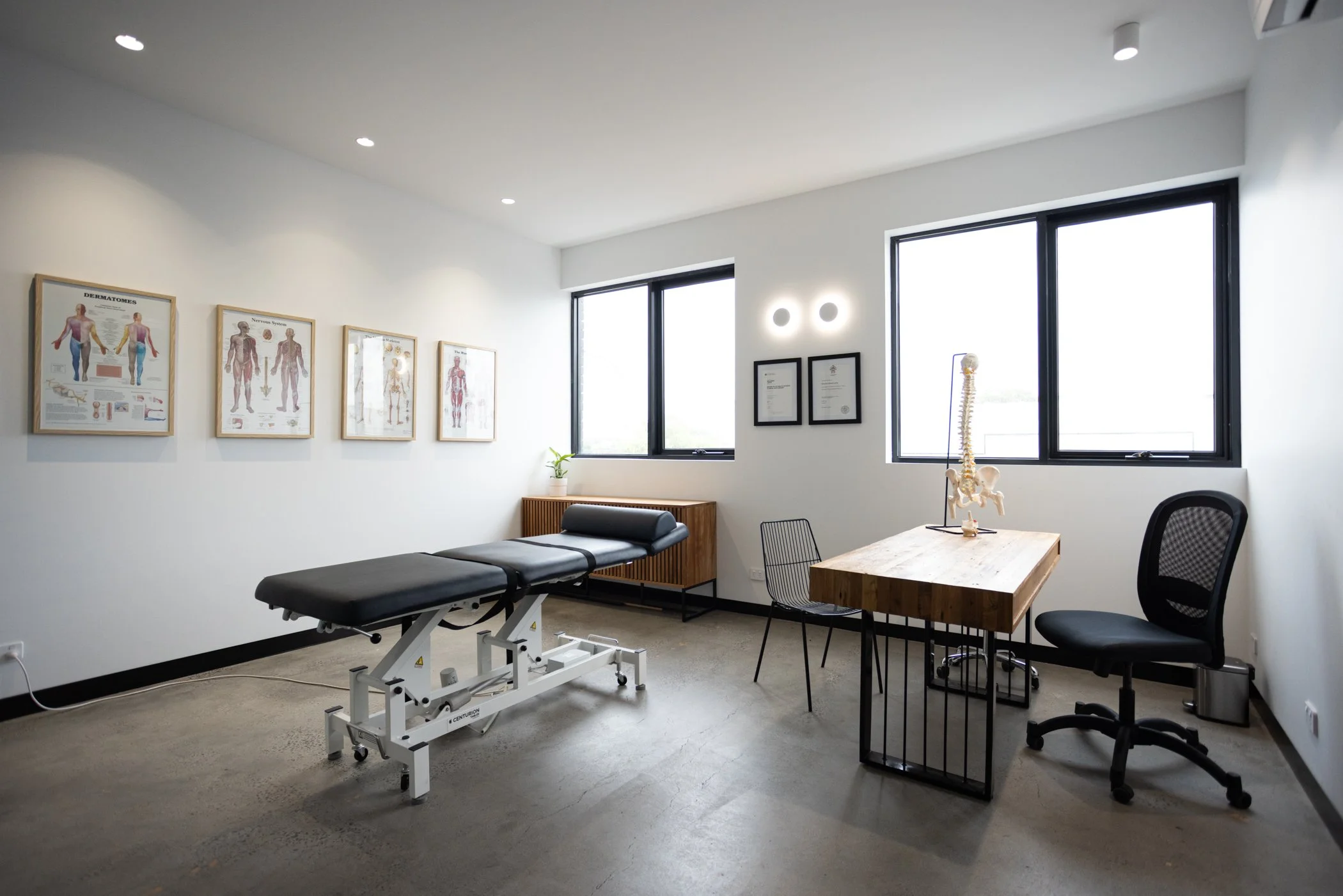
All new patients are invited to book an initial Physiotherapy consultation. The initial consultation includes:
Medical & injury history
Clinical and/or performance related goals established
Full Physiotherapy assessment & diagnosis
Individualised posture, mobility, strength and technique corrections
Modification of daily and/or training movements to reduce re-injury risk
Education to enhance understanding of the injury and reduce relapse risk
Follow up to enhance accountability & support
One hour duration
HICAPS available onsite to process private healthcare & Medicare rebates (where eligible)
For Details on available services and to book a session, click the link below.
Contact
We greatly look forward to hearing from you. Please complete the form below to get in touch. Otherwise you can book an appointment online here.
Location
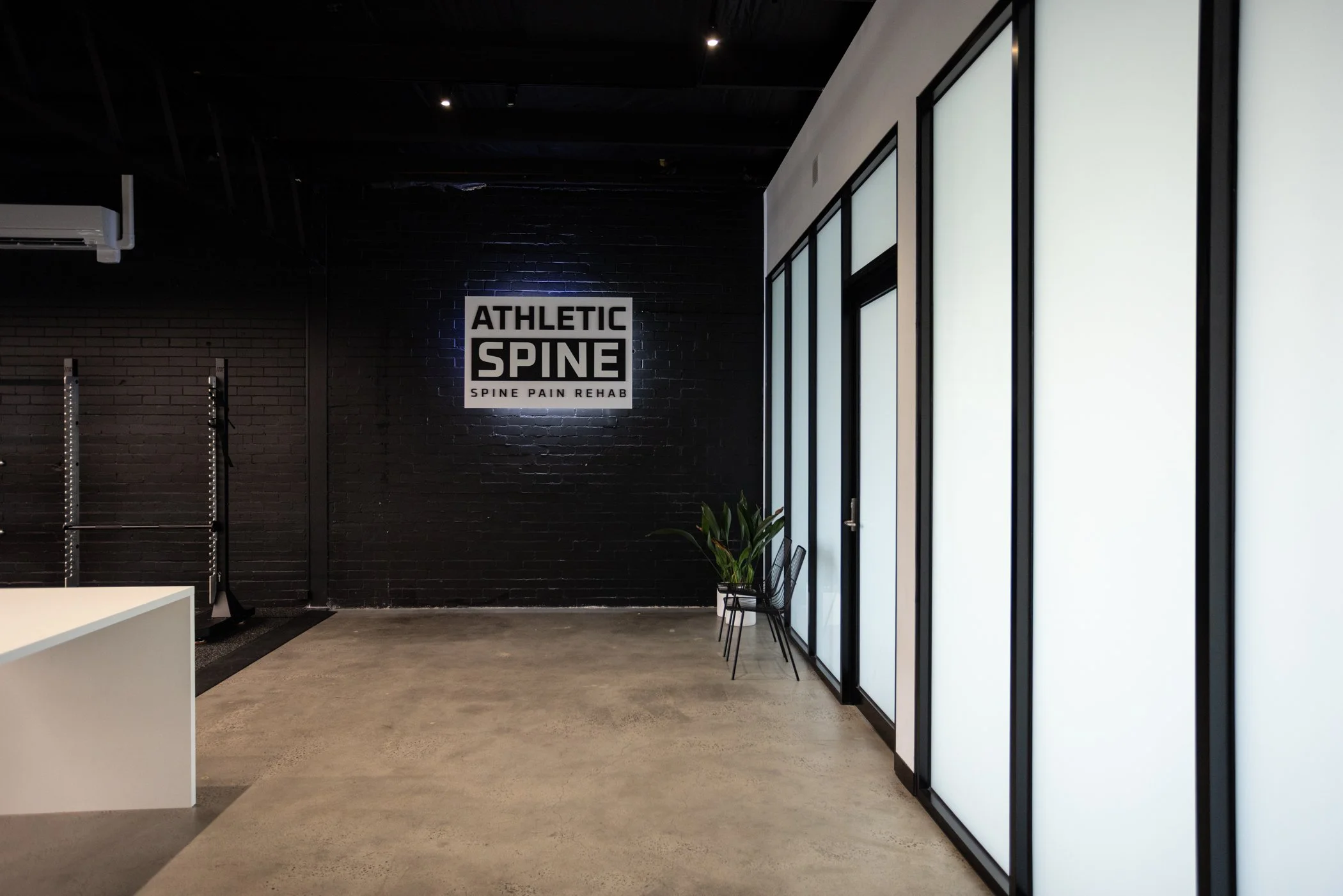
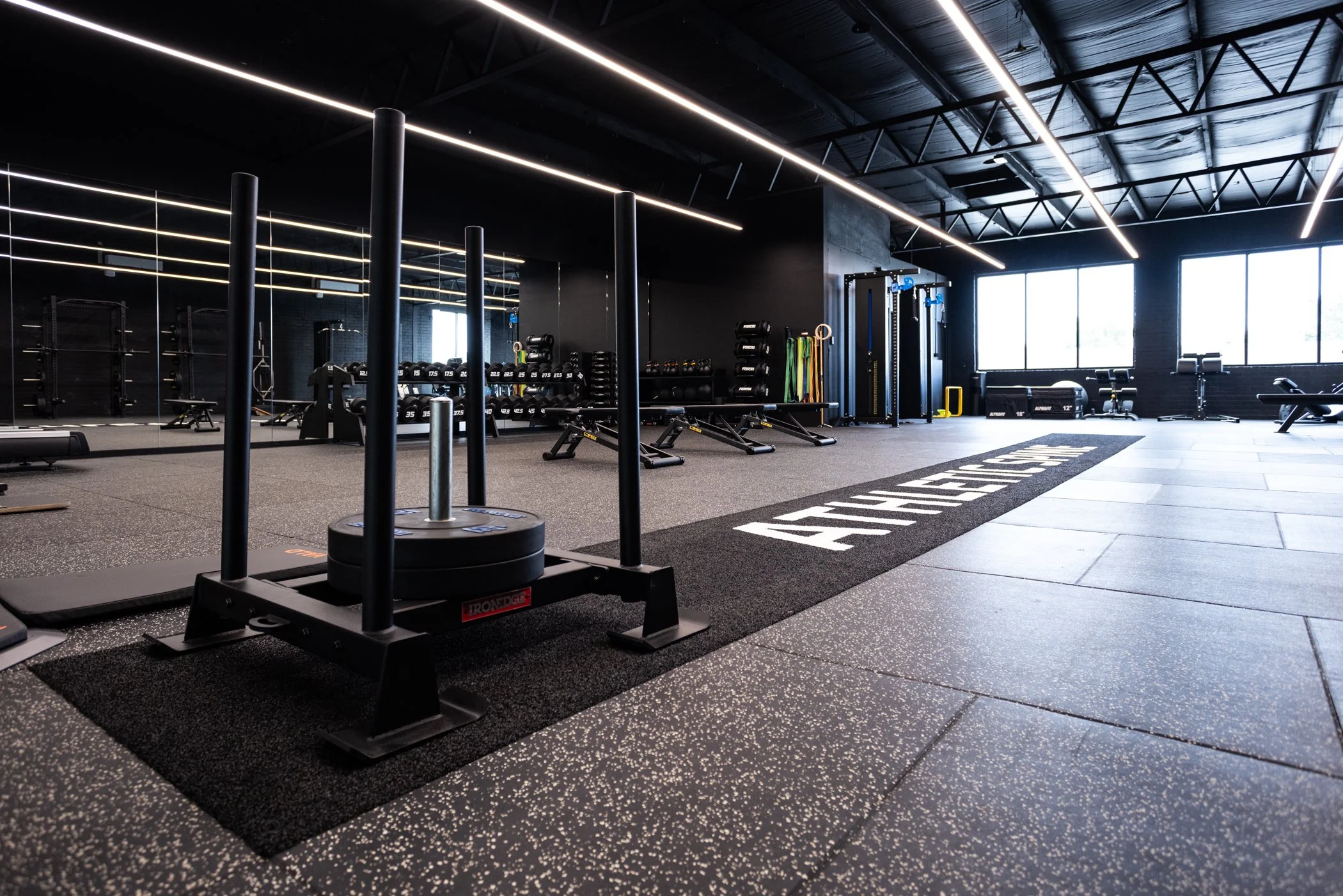
Athletic Spine is located at 83A Weston Street, Brunswick, Victoria 3056