
Sports Physiotherapy for Basketball
Have an existing or previous AFL injury?
Need help with injury prevention or optimising performance?
WHO wE’VE wORKED wITH








Basketball Players Don't Get Back Pain From Playing Too Much, They Get It From Landing Wrong, Every Single Time
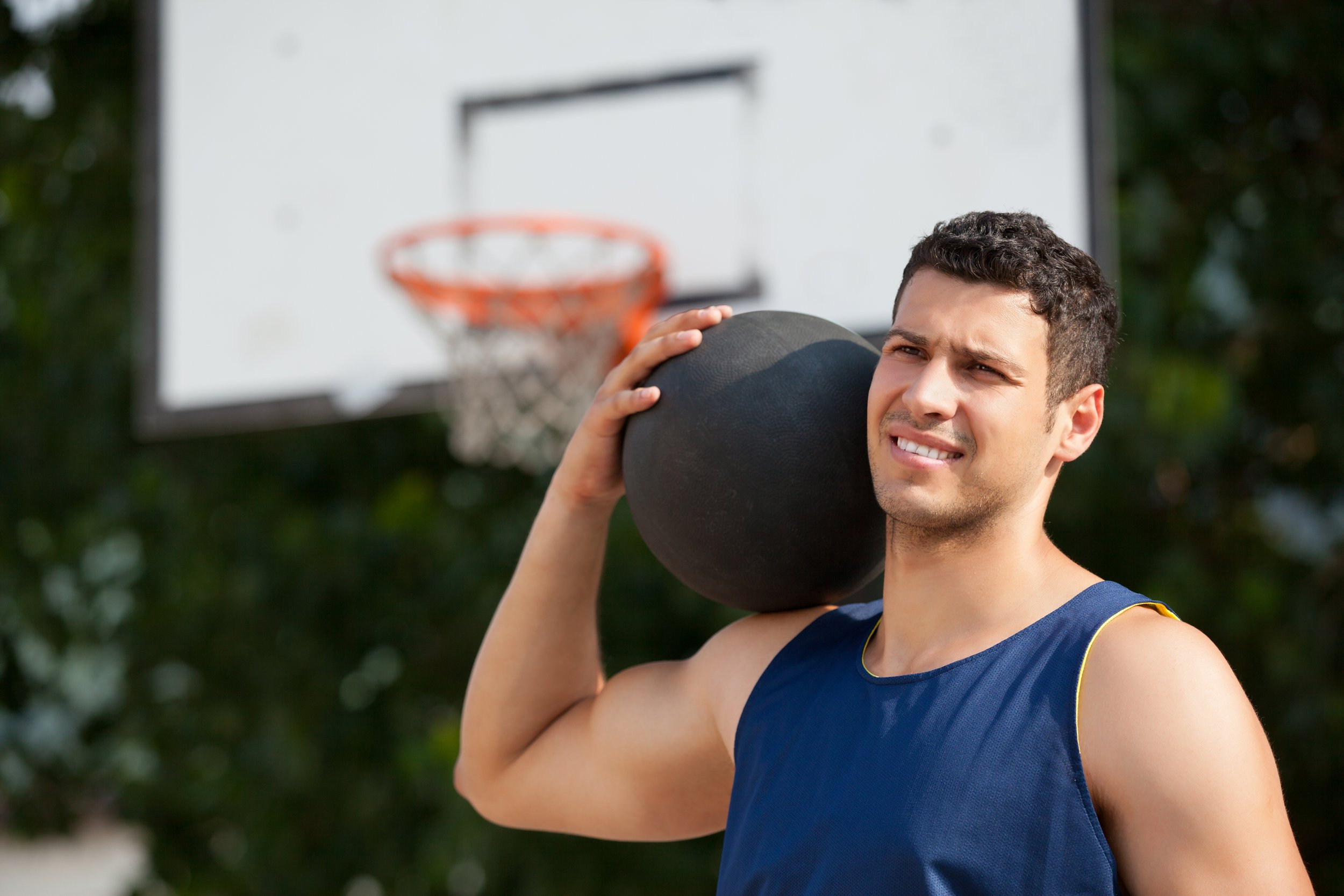
Basketball is a vertical sport. The jumps, the layups, the rebounds, the defensive contests, the game is built around leaving the ground and coming back to it, repeatedly, at speed, often in contact, on a hard surface. And it's that last part, coming back to it, that creates the spinal injury pattern that shows up in basketball players across every level of the game.
The assumption most basketball players make when their back starts hurting is that they've overdone it. Too many games, too many training sessions, too much time on the court. But the players who come into Athletic Spine aren't usually the ones who played too much. They're the ones who landed the same way ten thousand times, and the way they landed was placing forces through their lumbar spine and sacroiliac joints that those structures were never designed to absorb in isolation.
Basketball's back problem isn't the amount of time spent on the court. It's vertical impact, repeated asymmetrical landing, and a spine that has never been specifically prepared for what the game asks of it on every single trip to the basket.
Athletic Spine in Brunswick works with basketball players across Melbourne, providing spinal physiotherapy built around the vertical, explosive, and court-specific demands of the game, not generic back pain management.
For Details on available services and to book a session, click the link below.
Why Basketball Is Uniquely Demanding on the Spine
The defining mechanical challenge of basketball for the spine is the landing. Every jump, whether for a rebound, a shot, a defensive contest, or a layup, ends with the player returning to a hardwood surface, often on one foot, often off-balance, often in contact with another player, and almost always without the luxury of choosing the ideal landing position.
The ground reaction force generated by landing from a basketball jump is significant. On a bilateral landing, that force is distributed across both lower limbs and up through the pelvis relatively symmetrically. But basketball players rarely land bilaterally in game situations. The contested rebound, the driving layup, the defensive close-out, these involve single-leg or asymmetrical landings where the full ground reaction force channels up one side of the body, through one hip, and into the lumbar spine and sacroiliac joint on that side.
Repeat that asymmetrical landing pattern across a game, a season, and years of play, and a progressive structural asymmetry develops through the pelvis and lumbar spine that is directly traceable to the dominant landing mechanics of the individual player.
The coiling phase of a jump shot requires rapid hip and knee flexion followed by explosive triple extension, a movement that places significant demand on the lumbar extensors and thoracolumbar fascia. When the thoracic spine is stiff and doesn't extend freely through the shooting motion, the lumbar spine compensates, extending further than it should to generate the upward drive the thoracic spine isn't contributing. This creates a repetitive facet compression pattern that accumulates across every shooting drill and every game.
Defensive play adds a third dimension entirely. The defensive stance, knees bent, hips flexed, trunk slightly forward, moving laterally, sustains the lumbar spine in a partial flexion position for extended defensive possessions. When a player transitions rapidly from that defensive stance into a sprint, a block attempt, or a jumping contest, the lumbar spine moves from a sustained flexion position into rapid extension under significant muscular demand. That transition, repeated across a full game of defensive play, creates a shear environment at the lumbar disc level that is characteristic of basketball and distinct from almost every other court sport.
Most Common Spinal Conditions in Basketball
Sacroiliac Joint Dysfunction The sacroiliac joint is the most commonly overlooked source of back and posterior pelvic pain in basketball players, and the one most directly connected to the sport's landing mechanics. Asymmetrical single-leg landings drive a rotational shear force through the pelvis that concentrates at the sacroiliac joint on the landing side. Over time, repeated asymmetrical landing creates a rotational imbalance between the two sides of the pelvis, one side progressively compresses while the other relatively opens, and the sacroiliac joint on the dominant landing side becomes irritated and inflamed. Basketball players with SI joint dysfunction describe a deep, unilateral posterior pelvic ache that is worst after games involving recurrent jumping and landing sequences, provoked by single-leg activities, and often mistaken for a hip flexor or glute injury because of where it's felt.
Lumbar Facet Joint Pain The facet joints at the back of the lumbar spine are compressed during extension and rotation, precisely the movements that occur at the peak of a jump shot, during a block attempt, and in the transition from defensive stance to upright sprint. When thoracic extension is restricted and the lumbar spine is forced to manufacture the upward drive of the shooting motion, the lower lumbar facets take a concentrated compressive pinch with every repetition. Facet pain in basketball players is characteristically sharp with extension, often one-sided toward the dominant shooting side, and frequently provoked by the follow-through of a jump shot or the extension at the top of a layup.
Lumbar Disc Irritation The rapid transition from the defensive stance, a sustained partial flexion position, into explosive extension creates a shear environment at the posterior lumbar discs that is mechanically similar to the butt wink problem in weightlifters, but generated at much higher speed and with far less control over the position. The disc is in a flexed, partially distracted state during the defensive stance, and is then subjected to rapid compression and extension as the player transitions into offensive or reactive movement. Basketball players with disc-related pain often describe a lower back ache that is worst after long defensive possessions, sustained sitting on the bench, and the drive to training, and improves temporarily with movement before returning with high-intensity play.
Thoracic Spine Stiffness Thoracic extension is a prerequisite for an efficient jump shot, an effective block, and the overhead reach required for rebounding at full extension. When the thoracic spine is stiff, which develops predictably in players who spend significant time sitting, driving, or in flexed positions outside of basketball, the overhead demands of the game are generated primarily from the lumbar spine and shoulder complex instead. This creates a compensatory lumbar extension pattern that concentrates mechanical stress at the lower facets and thoracolumbar junction across every shooting repetition and every overhead contest.
Cervical Spine Pain and Stiffness Basketball involves a significant amount of upward gaze, tracking the ball overhead, watching for a lob pass, contesting a shot at the rim. Repeated cervical extension under the impact forces of a jump landing places the upper cervical facet joints in a position of concentrated compression at exactly the moment of peak ground reaction force. Players who rebound heavily or contest shots frequently develop a progressive cervical stiffness and loss of extension range that is directly related to the landing-extension combination repeated across their playing career.
How Athletic Spine Approaches Basketball Injuries
Most basketball players who present to Athletic Spine have been managing their back or pelvic pain for months, often with soft tissue treatment, stretching, and core exercises that provide temporary relief but don't change the landing mechanics or movement patterns that created the problem in the first place.
Assessment at Athletic Spine starts with the basketball-specific movements that are provoking symptoms. That means looking at landing mechanics, how the player absorbs ground reaction force from a single-leg landing, whether the pelvis stays level or rotates during ground contact, and whether the lumbar spine is being used to compensate for a lack of hip or ankle contribution to force absorption. It means assessing thoracic extension in the context of the jump shot and overhead reach. And it means identifying the specific transition, from defensive stance to explosive movement, where the disc or facet joint is being placed in its most vulnerable position.
From there, rehabilitation is built around correcting the movement pattern at the point where it's failing. That might mean retraining landing mechanics so ground reaction force is absorbed symmetrically through both hips rather than concentrated at the sacroiliac joint on one side. It might mean restoring thoracic extension so the lumbar spine stops compensating in the shooting motion. Or it might mean improving the speed and consistency of the deep lumbar stabiliser activation during the defensive stance to sprint transition, so the disc is braced before the shear force arrives rather than after.
Basketball players who come through Athletic Spine leave knowing exactly what their spine is doing during the specific movements that provoked their injury, what early warning signs to watch for as game intensity increases, and how to prepare and recover specifically for the vertical and lateral demands of basketball without needing ongoing passive treatment to stay on the court.
Who We Work With
Athletic Spine works with basketball players of all levels across Melbourne, from junior and development players dealing with their first spinal complaint, to senior and representative players managing recurring injuries across a demanding competition season, to masters players who want to keep playing competitive basketball well into their fifties.
We work with players from clubs and associations across Brunswick, Carlton, Fitzroy, Coburg, and surrounding Melbourne suburbs, as well as players and coaches travelling from across Melbourne who want spinal physiotherapy that understands the specific vertical and court-based demands of basketball.
Playing position influences the assessment and rehabilitation approach. A centre who contests every rebound has different spinal demands to a point guard managing lateral defensive responsibilities and long shooting sessions. Whether you're a post player dealing with the landing demands of the paint, or a perimeter player managing a jump shot-related lumbar complaint, the approach is built around your specific role on the court.
Frequently Asked Questions
Why does my lower back hurt after basketball but not during other exercise?
Basketball's combination of hard surface landing, asymmetrical single-leg ground contact, and the rapid transition from defensive flexion to explosive extension creates mechanical demands on the lumbar spine and sacroiliac joints that most other exercise doesn't replicate. Running on grass, gym training, and cycling don't involve the same ground reaction forces or the same postural transitions. When your back responds specifically to basketball, it's telling you something about the specific mechanical demands of the sport, not about the general health of your spine.
Is back pain from basketball a sign I should stop jumping?
In almost all cases, no. Removing jumping from a basketball player's rehabilitation is not a management plan, it's avoidance that delays return to the sport without addressing what's creating the problem. What matters is understanding which specific landing or jumping patterns are provoking symptoms, modifying those temporarily while the underlying mechanics are corrected, and progressively returning to the full vertical demands of the game with improved movement quality. The goal is a player who can jump and land confidently, not one who manages their symptoms by avoiding the defining movement of the sport.
Why does my back hurt more after games than after training?
Game intensity, contact, and the unpredictability of landing positions in competition create a very different mechanical environment to controlled training. In training, a player can choose their landing position, control their speed, and self-select out of movements that are provoking symptoms. In a game, those choices don't exist, landings happen in contact, at full speed, in unpredictable positions, across four quarters of sustained effort. The post-game spike in symptoms reflects the difference between the controlled mechanical demands of training and the chaotic, high-intensity demands of competition.
How does spinal physiotherapy for basketball differ from standard back treatment?
Standard back treatment is calibrated to everyday functional demands, sitting, standing, walking, light lifting. Basketball asks the spine to manage vertical ground reaction forces from jumping, asymmetrical landing mechanics, and the rapid postural transitions of competitive play. Effective spinal physiotherapy for basketball players assesses and rehabilitates the spine in the context of those specific demands, landing mechanics, jumping patterns, defensive transitions, and shooting mechanics, rather than treating the symptom in isolation from the sport that created it.
Ready to Get Back to Basketball?
Back and pelvic pain shouldn't be the reason you're managing minutes, avoiding the paint, or sitting out of competition. Whether you're dealing with a new complaint after a heavy game, a recurring sacroiliac or lumbar issue that follows the same seasonal pattern, or an injury that hasn't responded to what you've already tried, Athletic Spine provides spinal physiotherapy in Brunswick for basketball players across Melbourne.
Book an assessment at Athletic Spine and find out exactly what your spine is doing during the demands of basketball, and what it takes to get back on the court without the same problem coming back.
For Details on available services and to book a session, click the link below.
The Clinic
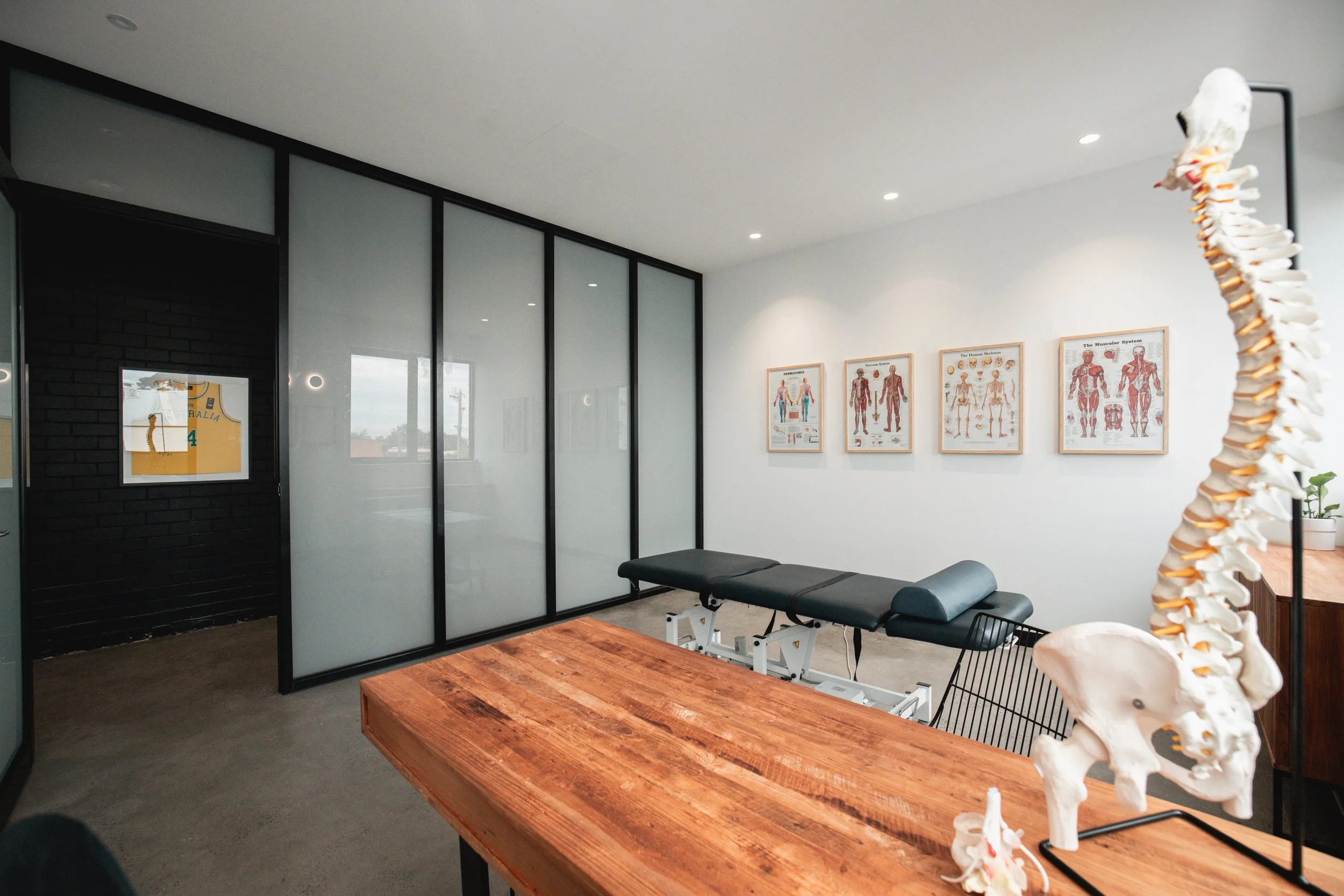
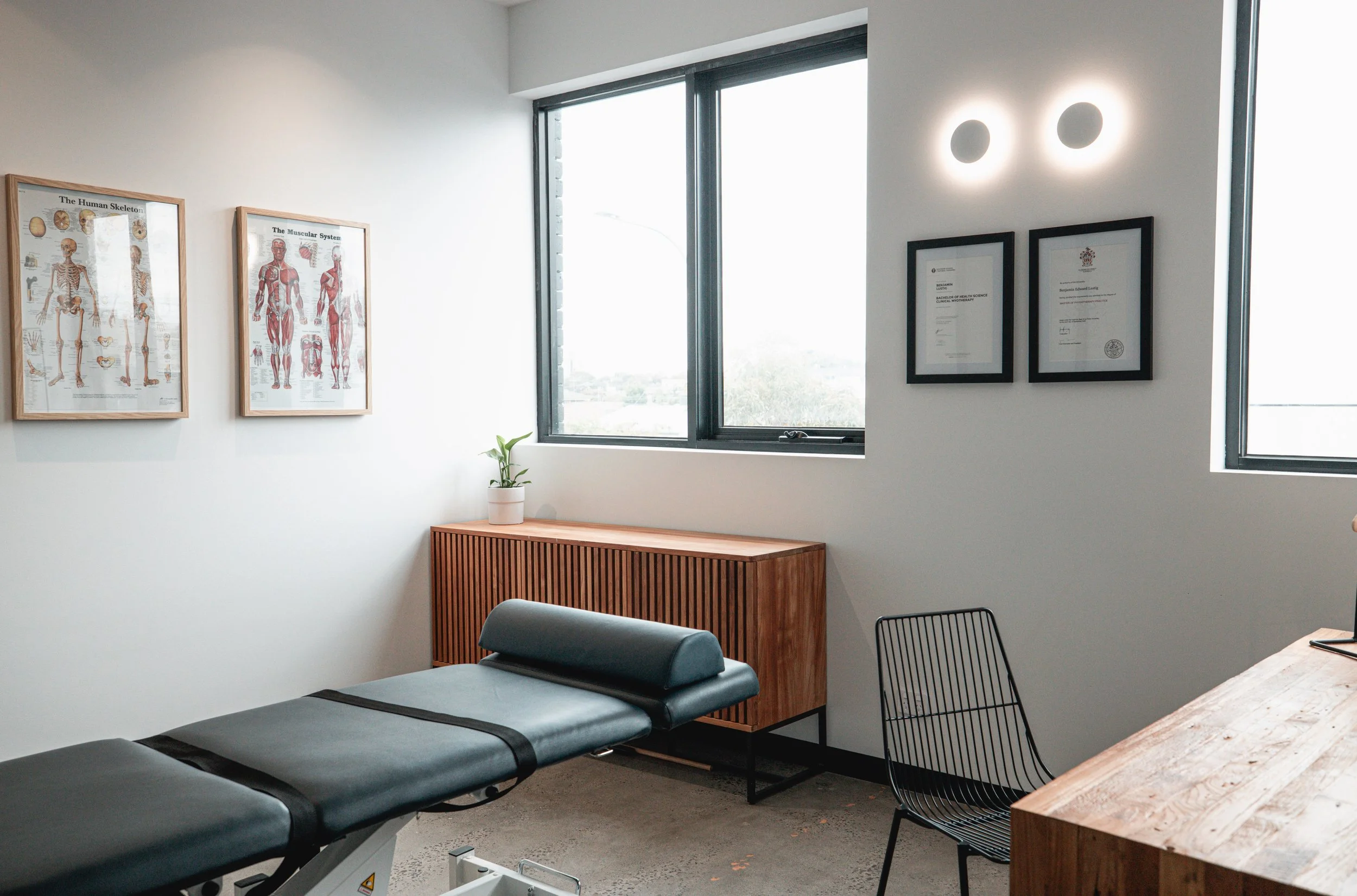

Are You A New Patient?
All new patients are invited to book an initial Physiotherapy consultation. The initial consultation includes:
Medical & injury history
Clinical and/or performance related goals established
Full Physiotherapy assessment & diagnosis
Individualised posture, mobility, strength and technique corrections
Modification of daily and/or training movements to reduce re-injury risk
Education to enhance understanding of the injury and reduce relapse risk
Follow up to enhance accountability & support
One hour duration
HICAPS available onsite to process private healthcare & Medicare rebates (where eligible)
Meet The Team


YOMITHA NAVARATNE
Benjamin Lustig
FounderBHSc M. Physio
M. Sports PhysioRecent Blogs

Location
Athletic Spine is located at 83A Weston Street, Brunswick, Victoria 3056
For Details on available services and to book a session, click the link below.
Contact
We greatly look forward to hearing from you. Please complete the form below to get in touch. Otherwise you can book an appointment online here.