
Sports Physiotherapy for Martial Arts
Have an existing or previous AFL injury?
Need help with injury prevention or optimising performance?
WHO wE’VE wORKED wITH






Martial Artists Train Through Pain Better Than Almost Any Athlete, Which Is Exactly Why Their Spinal Injuries Get So Much Worse Before Anyone Does Anything About Them
Martial artists have an extraordinary tolerance for discomfort. It's built into the culture of every discipline, the BJJ practitioner who rolls through a stiff neck, the Muay Thai fighter who keeps sparring through lower back tightness, the judoka who dismisses a recurring shoulder and cervical complaint as a natural consequence of being thrown repeatedly. Pain is normalised as a training variable rather than a clinical signal, and the result is a population of athletes who arrive in clinic with spinal problems that have been developing for years.
The irony is that the same mental fortitude that makes martial artists exceptional competitors makes them exceptionally poor at catching spinal problems early, when they're easiest to address and least likely to become structural. By the time a martial artist seeks assessment, the compensation patterns have usually been running long enough to create secondary problems well beyond the original injury site.
What's actually driving most martial arts spinal injuries isn't the contact, the falls, or the throwing. It's the specific biomechanical demands of the discipline, the grappling positions, the impact absorption patterns, the cervical loading of clinch work, combined with a training culture that treats assessment as an admission of weakness rather than a competitive advantage.
Athletic Spine in Brunswick works with martial artists across Melbourne, providing spinal physiotherapy that understands the specific demands of grappling, striking, and throwing disciplines, and what it takes to keep competing without the same injuries cycling on repeat.
Why Martial Arts Is Uniquely Demanding on the Spine
No two martial arts disciplines place identical demands on the spine, and that specificity matters enormously for both assessment and rehabilitation. The spinal demands of Brazilian jiu-jitsu are fundamentally different to those of Muay Thai, which are different again to judo, wrestling, or karate. Understanding which discipline, and which specific positions and techniques, are driving the injury is the essential first step that generic sports physiotherapy almost always skips.
Grappling disciplines, BJJ, wrestling, judo, place the spine under sustained and rapidly changing compressive, flexion, and rotational demands that are unlike any other sport. On the mat, the spine is required to maintain structural integrity across positions that would be considered extreme end-range in any other clinical context. A BJJ practitioner defending a back-take must sustain lumbar flexion under a training partner's body weight while simultaneously resisting rotational forces applied to both shoulders. The cervical spine in a judo player absorbs the compressive and shear forces of being thrown and landing repeatedly on the same side of the body, across hours of randori, across years of competition.
Striking disciplines, Muay Thai, boxing, kickboxing, generate their power through a kinetic chain that starts at the feet, transfers through the hips, and is expressed through rotation of the trunk and extension of the striking limb. The lumbar and thoracic spine sit at the centre of this chain and must simultaneously generate rotational power and absorb the reactive forces of the strike landing. When the thoracic spine is restricted, the rotational power generation defaults entirely to the lumbar spine, and the lumbar spine, which is structurally poor at rotation, bears the full demand of every combination thrown.
The clinch, present in Muay Thai, wrestling, and judo, creates a unique cervical loading environment. The sustained isometric contraction required to maintain a clinch position against a resisting opponent places the cervical flexors and deep neck stabilisers under prolonged tension, while the cervical spine itself is subjected to the unpredictable forces generated by the opponent's attempts to break position. This sustained cervical loading under unpredictable perturbation is the defining mechanical demand of clinch-based martial arts, and it has no direct equivalent in any other athletic context.
For Details on available services and to book a session, click the link below.
Most Common Spinal Conditions in Martial Arts
Cervical Facet Joint Pain and Stiffness The cervical facet joints are the most frequently injured spinal structures in grappling and throwing martial arts. In judo and wrestling, being thrown and landing creates a compressive and shear force through the cervical spine that is absorbed differently depending on which side of the body the throw exits. Athletes who are thrown predominantly onto the same side across years of randori or wrestling develop a progressive asymmetry in cervical rotation and a unilateral facet irritation that presents as a persistent stiffness and loss of turning range on the dominant impact side. In BJJ, the sustained neck flexion of defensive guard positions combined with the unpredictable cervical forces of sweep attempts creates a different but equally predictable cervical facet pattern, progressive upper cervical stiffness and a loss of extension range that develops silently across a competitive career.
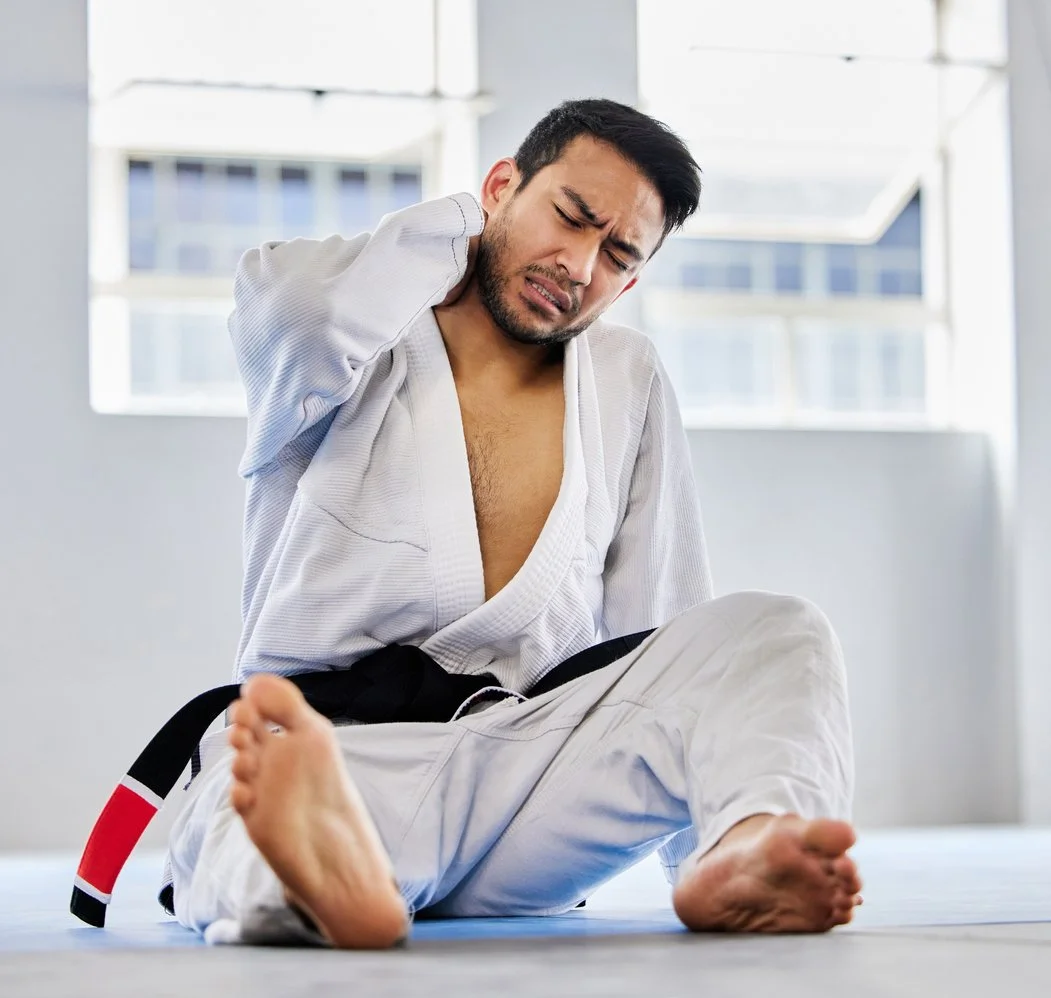
Cervical Disc Irritation The cervical discs are particularly vulnerable in grappling disciplines where the neck is repeatedly placed into end-range flexion under compressive force, guillotine choke defences, turtle position under a scramble, and the neck-loading positions of wrestling referee's position are the most common mechanisms. The posterior cervical disc wall is stressed when the neck is flexed under compression, and when the deep cervical stabilisers fail to pre-activate before that position is imposed, which happens when the position arrives suddenly during a scramble, the disc absorbs the full mechanical demand without muscular protection. Cervical disc irritation in martial artists presents as a neck pain that refers into the shoulder, upper arm, or between the shoulder blades, often accompanied by a heaviness or tingling in the arm that the athlete attributes to a blood flow issue rather than a neural one.
Lumbar Facet Joint Pain Striking martial artists develop lumbar facet irritation through a rotational mechanism almost identical to that seen in rotational field athletes, the thoracic spine becomes restricted from the sustained flexed posture of a sparring guard, and the rotational power generation of every punch, kick, and knee defaults to the lumbar facets rather than being distributed across a mobile thoracic spine. Grappling athletes develop lumbar facet pain through a different mechanism, the sustained and rapidly changing spinal positions of ground fighting place the lumbar facets into repeated compression-to-distraction cycles that eventually produce a facet irritation that is worst with the specific ground positions that provoked it. Both presentations are frequently dismissed as general back soreness until they become severe enough to limit training.
Thoracic Spine Stiffness The defensive guard position across all striking disciplines, shoulders rounded, trunk slightly flexed, protecting the centreline, progressively stiffens the thoracic spine into flexion across a training career. This thoracic stiffness has two consequences. First, it restricts the rotational power generation of every striking combination, reducing punch and kick speed in ways that coaches often attribute to technique rather than spinal mobility. Second, it forces the lumbar spine to compensate for the rotation the thoracic spine is no longer contributing, creating the facet irritation pattern described above. Restoring thoracic extension and rotation in a striking martial artist almost always produces an immediate improvement in striking mechanics that the fighter notices before the pain has fully resolved. In many fighters it is the primary mechanical problem, even when the pain is felt exclusively in the lumbar spine.
Sacroiliac Joint Dysfunction The asymmetrical stance of virtually every martial arts discipline, orthodox or southpaw in striking arts, dominant leg forward in wrestling and BJJ, creates a progressive rotational asymmetry through the pelvis that concentrates at the sacroiliac joint on the lead leg side. In grappling, single-leg takedown attempts and the asymmetrical hip positions of guard work and scrambling amplify this asymmetry further. SI joint pain in martial artists presents as a deep, unilateral posterior pelvic ache that is worst after long grappling sessions, single-leg stance activities, and the drive home after training, and is often attributed to a hip flexor or glute problem because of its referral pattern.
How Athletic Spine Approaches Martial Arts Injuries
The most common failure in managing martial arts spinal injuries is treating the symptomatic structure without understanding the discipline-specific mechanics that created the problem. A cervical treatment program built for a desk worker does not address the cervical demands of a judoka. A lumbar rehabilitation plan designed for a runner does not account for the ground-fighting positions of a BJJ practitioner. Generic treatment produces generic results, and in a population of athletes with high pain tolerance and strong training motivation, generic results usually mean the athlete returns to full training before the underlying problem is resolved and cycles straight back into injury.
At Athletic Spine, assessment of a martial artist starts with the specific discipline, the specific techniques, and the specific positions that are provoking symptoms. That means understanding the difference between guard defence and turtle position in BJJ. It means knowing which throwing direction is dominant in judo and how that maps to the cervical asymmetry pattern. It means understanding that a Muay Thai fighter's spinal demands during a clinch are completely different to their demands during combination striking, and that both need to be assessed and addressed.
Rehabilitation is built around returning the athlete to the specific demands of their discipline, not a generic functional baseline. For grappling athletes, that means progressive return to ground positions, increasing the duration and resistance of positions that were provoking symptoms. For striking athletes, it means restoring thoracic rotation and reintegrating it into the actual striking mechanics, because a thoracic mobility improvement on a treatment table is worthless if it doesn't translate into the rotational contribution of a rear cross at full speed.
Martial artists who come through Athletic Spine leave with a clear understanding of why their injury developed, which specific positions and techniques to monitor as training intensity increases, and how to prepare and recover for the demands of their discipline without needing passive treatment every week just to stay on the mat.
Who We Work With
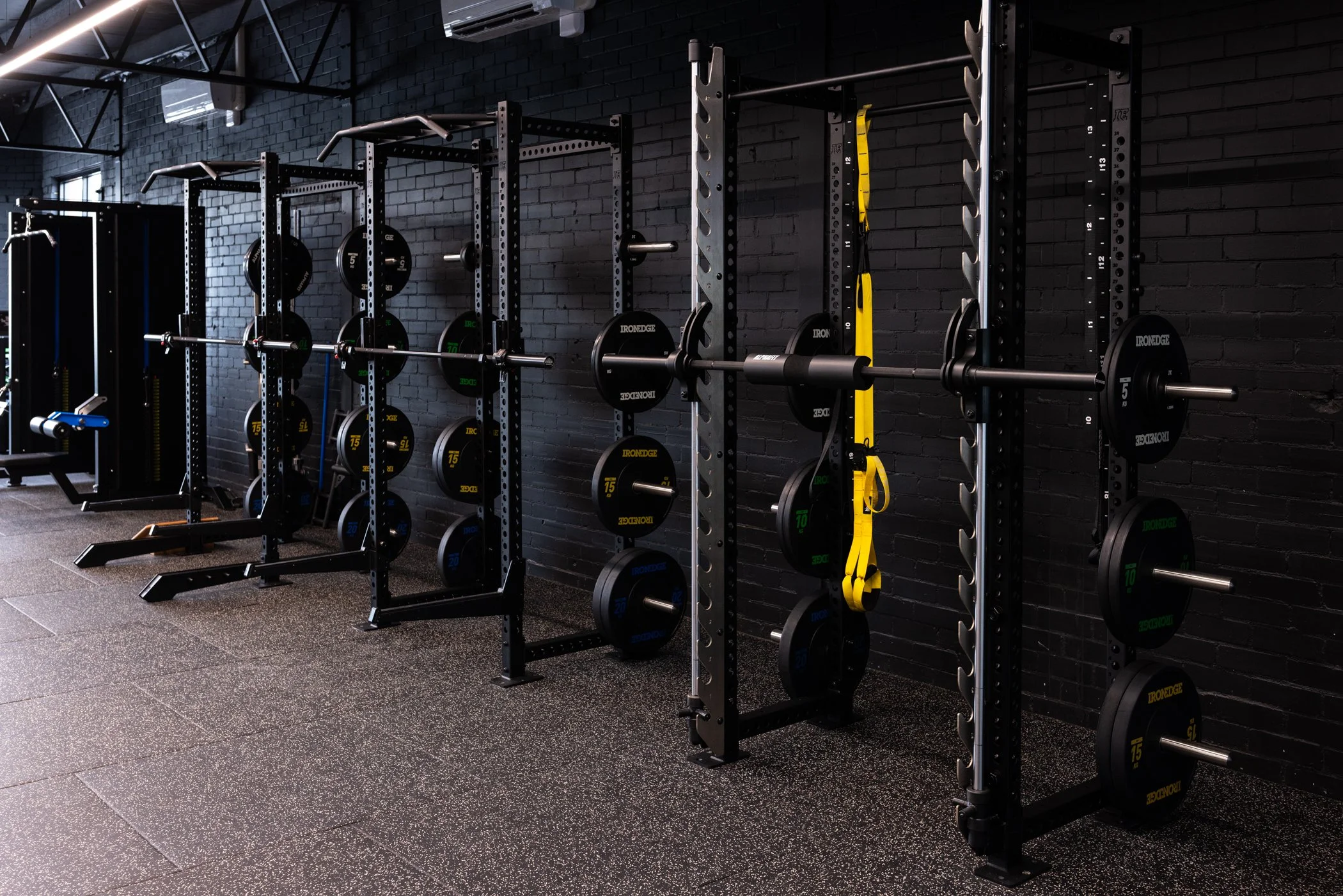
Athletic Spine works with martial artists of all disciplines and levels across Melbourne, from recreational practitioners dealing with their first spinal complaint, to competitive fighters preparing for state and national competition, to coaches and instructors who need their spine to hold up across decades of demonstration and drilling.
We work with practitioners across BJJ, Muay Thai, boxing, judo, wrestling, karate, MMA, and other disciplines from gyms and clubs across Brunswick, Fitzroy, Carlton, Coburg, and surrounding Melbourne suburbs.
Discipline matters enormously in how we approach assessment and rehabilitation. A BJJ blue belt with a cervical complaint has completely different spinal demands to a Muay Thai fighter with the same symptom pattern. The approach at Athletic Spine is always built around the specific mechanical demands of the discipline, not a generic contact sports framework applied uniformly across all martial arts.
Frequently Asked Questions
Why does my neck keep stiffening up even though I haven't had a single bad injury?
Progressive cervical stiffness without a defining injury event is one of the most common presentations in grappling martial arts. It reflects the cumulative effect of repeated asymmetrical cervical loading, being thrown to the same side, defending guard from the same neck position, maintaining clinch against resistance, rather than a single traumatic event. Each individual session places a manageable stress on the cervical facet joints and surrounding musculature. Over months and years without any specific rehabilitation, that cumulative asymmetry progressively restricts rotation and extension in a pattern that is entirely predictable once the discipline-specific mechanics are understood.
Is it safe to keep training with lower back pain from BJJ or Muay Thai?
In most cases, yes, provided you have an accurate structural map of which specific positions compress the affected joint and can modify around those while the underlying problem is addressed. The key question is not whether to train, but which elements of training are safe to continue and which need temporary modification. A BJJ practitioner with lumbar facet irritation may be able to continue drilling standing techniques and positional work while avoiding the specific ground positions that are compressing the affected facet. A Muay Thai fighter may be able to continue pad work while temporarily reducing sparring intensity. Assessment provides the specificity that makes those decisions intelligent rather than arbitrary.
Why does my back feel fine during training but tighten badly the morning after?
This is a classic delayed inflammatory response pattern and is particularly common after grappling sessions involving sustained spinal positions under resistance. During training, the combination of warmth, movement, and adrenaline keeps the symptomatic structures mobile and the inflammatory response suppressed. After training, as body temperature drops and the protective muscular activation decreases, the inflammatory response that accumulated during the session peaks, typically six to twelve hours later. The morning-after tightening is the spine's report on what happened during the previous night's session, not a separate problem from the training itself.
How does spinal physiotherapy for martial arts differ from standard sports physiotherapy?
Standard sports physiotherapy is calibrated to the mechanical demands of more conventional athletic activities. It doesn't typically account for the sustained end-range spinal positions of grappling, the unpredictable cervical forces of clinch work, or the rotational power demands of striking combinations. Effective spinal physiotherapy for martial artists requires an understanding of the specific discipline, the specific techniques involved, and the specific positions that are driving the injury, and a rehabilitation plan that returns the athlete to those exact demands progressively, rather than a generic functional baseline that stops well short of what the mat or ring actually requires.
Ready to Get Back on the Mat?
Spinal pain that's keeping you out of sparring, limiting your ground game, or forcing you to tap from positions you should be able to defend isn't an inevitable cost of training martial arts. Athletic Spine provides spinal physiotherapy in Brunswick for martial artists across Melbourne, built around the specific demands of your discipline and focused on getting you back to full training, not just out of pain.
Book an assessment at Athletic Spine and find out exactly what your spine is doing in the positions that matter, and what it takes to stay on the mat without the same problem stopping you again.
For Details on available services and to book a session, click the link below.
The Clinic

Are You A New Patient?
All new patients are invited to book an initial Physiotherapy consultation. The initial consultation includes:
Medical & injury history
Clinical and/or performance related goals established
Full Physiotherapy assessment & diagnosis
Individualised posture, mobility, strength and technique corrections
Modification of daily and/or training movements to reduce re-injury risk
Education to enhance understanding of the injury and reduce relapse risk
Follow up to enhance accountability & support
One hour duration
HICAPS available onsite to process private healthcare & Medicare rebates (where eligible)
Meet The Team
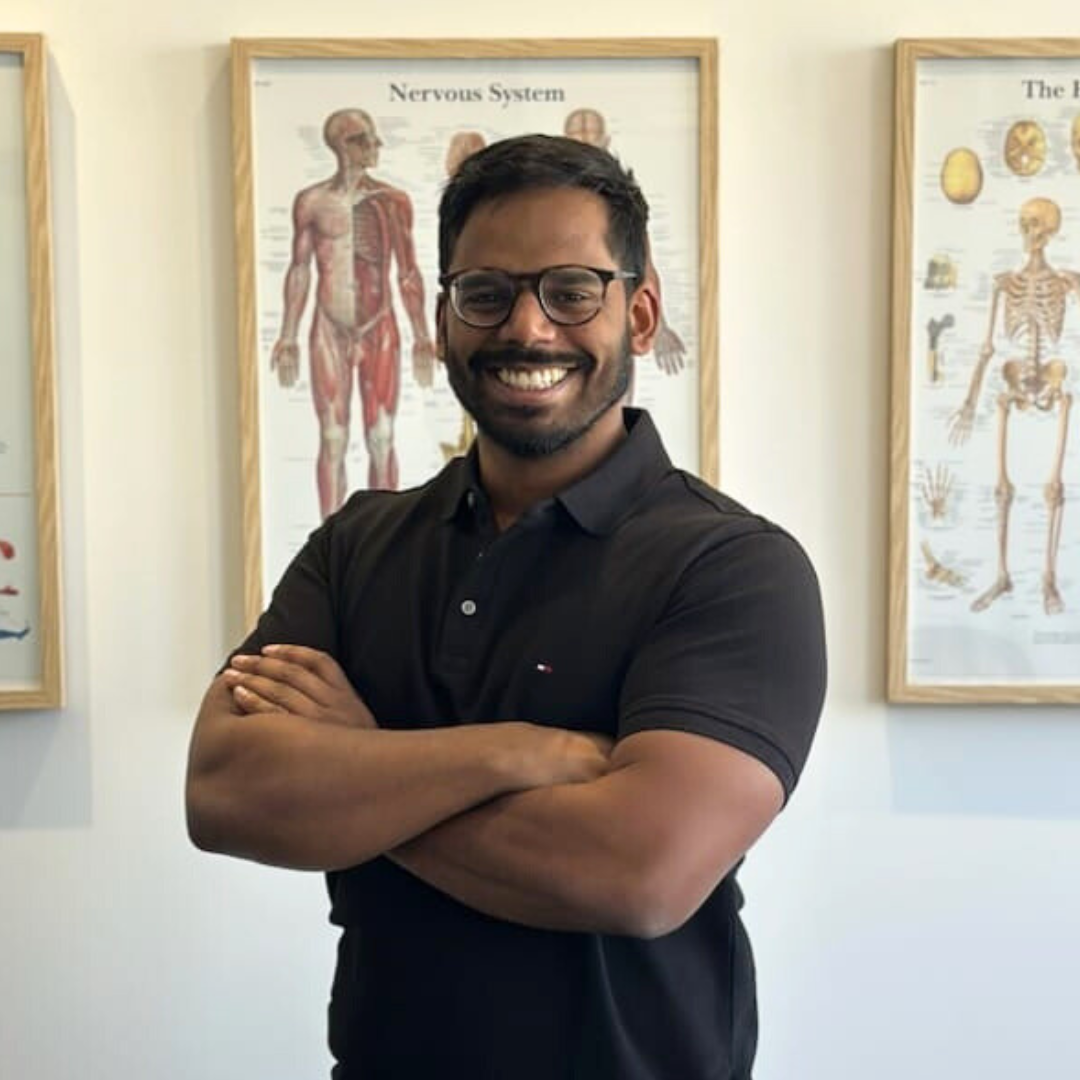
YOMITHA NAVARATNE
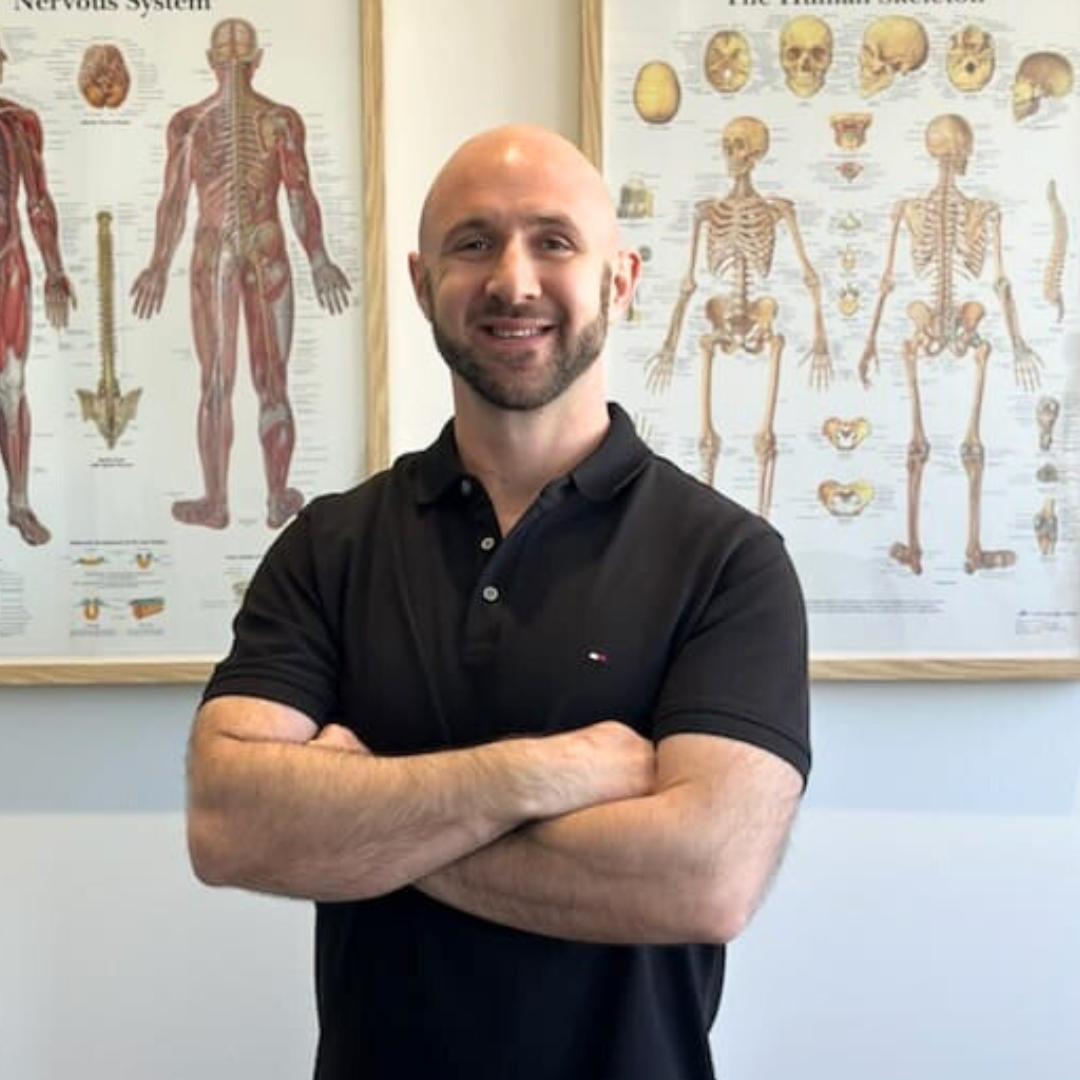
Benjamin Lustig
FounderBHSc M. Physio
M. Sports PhysioRecent Blogs

Location
Athletic Spine is located at 83A Weston Street, Brunswick, Victoria 3056
For Details on available services and to book a session, click the link below.
Contact
We greatly look forward to hearing from you. Please complete the form below to get in touch. Otherwise you can book an appointment online here.