
Sports Physiotherapy for Soccer
Have an existing or previous AFL injury?
Need help with injury prevention or optimising performance?
WHO wE’VE wORKED wITH








Soccer Doesn't Wreck Your Back, But the Way Most Players Move Does
Soccer is deceptively demanding on the spine. From the outside it looks like a lower limb sport, all footwork, positioning, and endurance. But every driven pass, every instep cross, every planted-foot shot on goal involves a violent rotational demand through the lumbar spine that accumulates silently across a ninety-minute game, a full season, and years of play.
The players who end up in clinic aren't usually the ones who took a bad tackle or landed awkwardly. They're the ones who've been managing a vague lower back ache for months, been told it's their hip flexors, tried stretching and foam rolling, and kept playing, until it became impossible to ignore.
Athletic Spine in Brunswick works with soccer players across Melbourne's inner north, from recreational futsal players to competitive club and masters-level athletes, providing spinal physiotherapy built around the specific mechanical demands of the game.
Why Soccer Is Uniquely Demanding on the Spine
The defining movement of soccer, kicking, is one of the most asymmetrical actions in sport. A full instep drive requires the lumbar spine to stabilise against explosive hip flexor contraction on the kicking leg while the pelvis rotates and the planted leg braces against the ground. This happens primarily on one side, thousands of times across a season, creating a progressive rotational asymmetry through the lumbar spine and pelvis that most players are completely unaware of.
Unlike a sport with bilateral loading, squatting, rowing, swimming, soccer builds structural asymmetry into its most fundamental skill. Right-footed players develop different movement patterns on their left side. Dominant kicking legs create predictable imbalances in hip rotation, pelvic alignment, and lumbar loading that show up as injury years before they were ever addressed.
Change of direction adds another layer. Soccer involves repeated cutting, planting, and accelerating, often at unpredictable angles dictated by the game. Each of those cuts requires rapid co-contraction of the lumbar stabilisers and hip complex to control the rotational force being generated. When that co-contraction is mistimed, particularly under fatigue in the second half, the lumbar spine absorbs forces it was never designed to manage unassisted.
Heading, though less frequent at community level, places a unique compressive and shear demand on the cervical spine. Repeated heading across a career has a cumulative effect on the cervical discs and facet joints that is only now being studied seriously at an elite level.
For Details on available services and to book a session, click the link below.
Most Common Spinal Conditions in Soccer
Lumbar Facet Joint Pain The facet joints at the back of the lumbar spine guide and limit rotational movement. In soccer, they are repeatedly compressed during the follow-through phase of kicking, when the lumbar spine moves into extension and rotation simultaneously. When pelvic alignment is even slightly off, or when the hip on the non-kicking side lacks mobility, the facet joints on one side take a concentrated, unshielded pinch with every strike. This is the most common source of lower back pain in soccer players, and it is routinely mistaken for a hip flexor or glute problem because of where the pain is felt.
Lumbar Disc Irritation The intervertebral discs between the lumbar vertebrae are designed to manage compressive force, but they are poorly equipped to handle combined compression and rotation simultaneously. Soccer's planted-foot kicking action creates exactly this combination: the disc is compressed by body weight and ground reaction force at the same moment it is being twisted by the rotational demand of the strike. Players with restricted hip rotation or thoracic mobility are particularly vulnerable, because the disc is forced to compensate for the movement the joints above and below it aren't contributing.
Sacroiliac Joint Dysfunction The sacroiliac joint, where the pelvis meets the base of the spine, is a common and frequently misdiagnosed pain source in soccer players. The asymmetrical nature of kicking creates progressive loading imbalances across the two sides of the pelvis, which can cause one sacroiliac joint to become compressed and irritated while the other is relatively unloaded. Players typically describe a deep buttock or posterior hip pain that worsens with sustained running, single-leg activities, and the follow-through of a driven kick.
Thoracic Spine Stiffness The thoracic spine is the primary rotational engine of the trunk. When it moves freely, it distributes the rotational demand of kicking and turning across the full length of the spine. When it becomes stiff, which happens predictably in players who sit for long hours at work or school and don't specifically train thoracic mobility, the rotation gets forced into the lumbar spine instead. A stiff upper back in a soccer player is rarely felt as upper back pain. It shows up as recurring lower back problems that never quite resolve.
Cervical Spine Pain and Stiffness Heading technique, aerial contests, and ground-level collisions all place acute and cumulative demand on the cervical spine. The cervical discs and facet joints are particularly vulnerable when the deep neck stabilisers fail to pre-activate before impact, a common finding in players who have never specifically trained cervical stability. The result is a neck that progressively stiffens across a season, loses rotational range, and eventually limits a player's ability to scan the field effectively.
How Athletic Spine Approaches Soccer Injuries
The standard approach to soccer-related back pain, rest, soft tissue work, a generic core program, return to play, fails most players because it doesn't address the asymmetry that created the problem in the first place.
At Athletic Spine, every assessment of a soccer player starts with understanding the specific mechanical demands of their position, their dominant kicking side, and how their thoracic spine and hips are moving relative to each other. A central midfielder has different spinal demands to a goalkeeper. A player who kicks predominantly with their right foot has different asymmetry patterns to one who crosses with their left. Rehabilitation that ignores these details will always be generic.
From there, treatment focuses on restoring the mobility in the joints that are supposed to be doing the work, the hips and thoracic spine, so the lumbar spine stops being asked to compensate. That means targeted thoracic rotation work, hip mobility restoration, and retraining the timing and sequencing of the deep stabilising muscles that protect the lumbar spine during the kicking action.
Return to play is built around the soccer-specific movements that provoked the problem, not a generic exercise progression that finishes with jogging and calls the player fit. Cutting, driving passing, instep shooting, and repeated direction changes are reintroduced progressively, with attention to next-day response and movement quality throughout.
The players who come through Athletic Spine leave with a clear understanding of why their injury happened, what their early warning signs look like, and what they need to do to stay on the field across a full season, without becoming reliant on weekly treatment to manage the same recurring problem.
Who We Work With
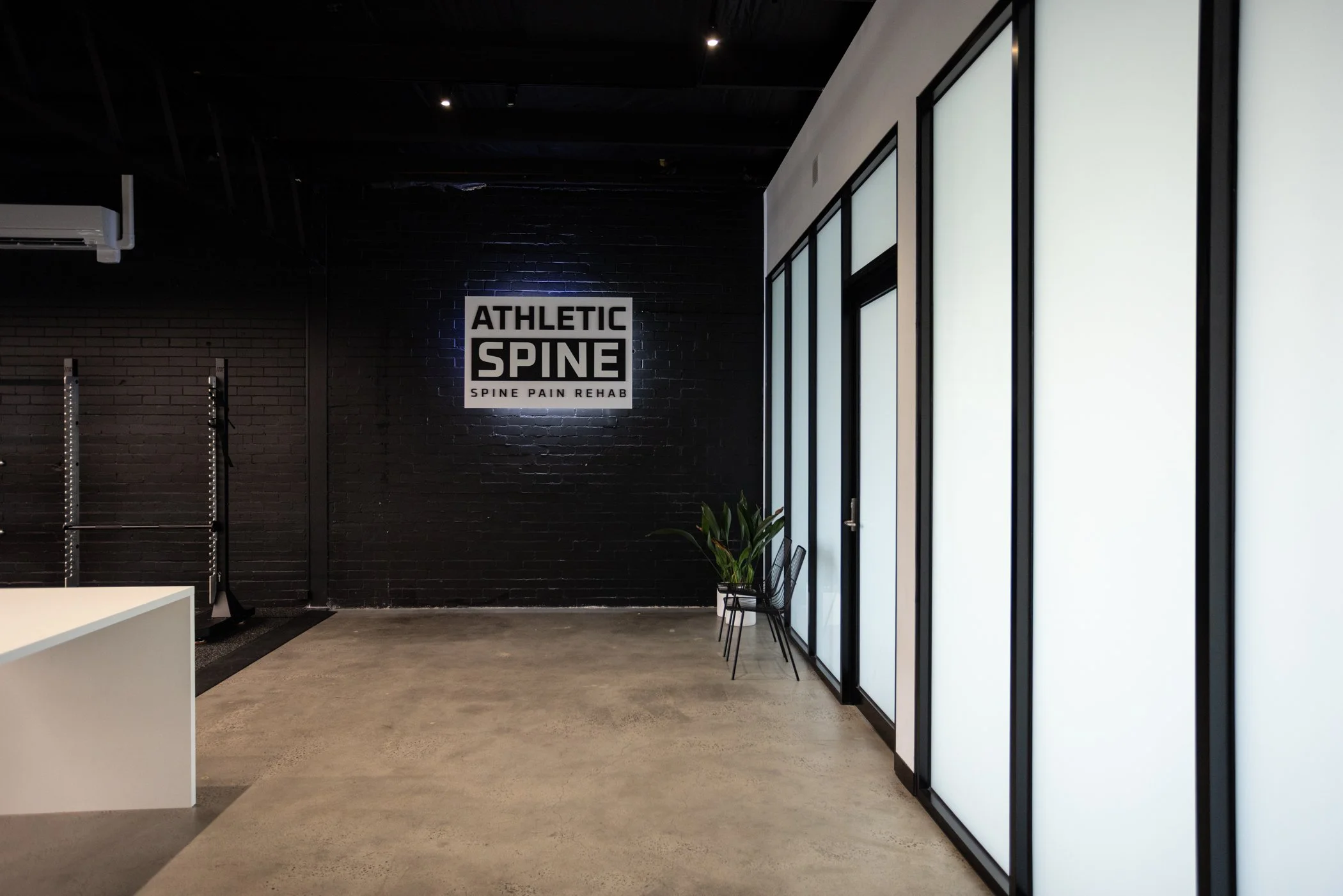
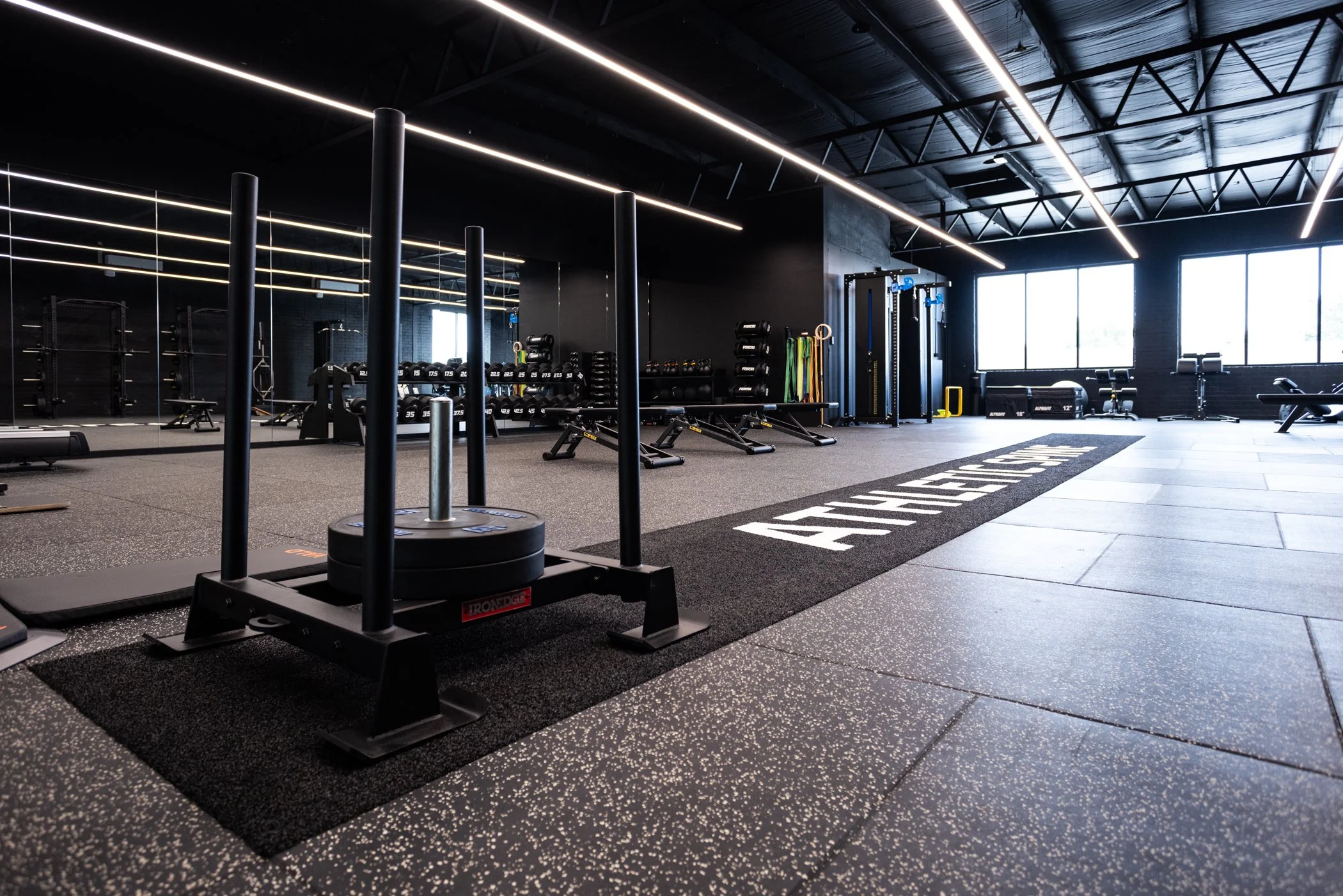
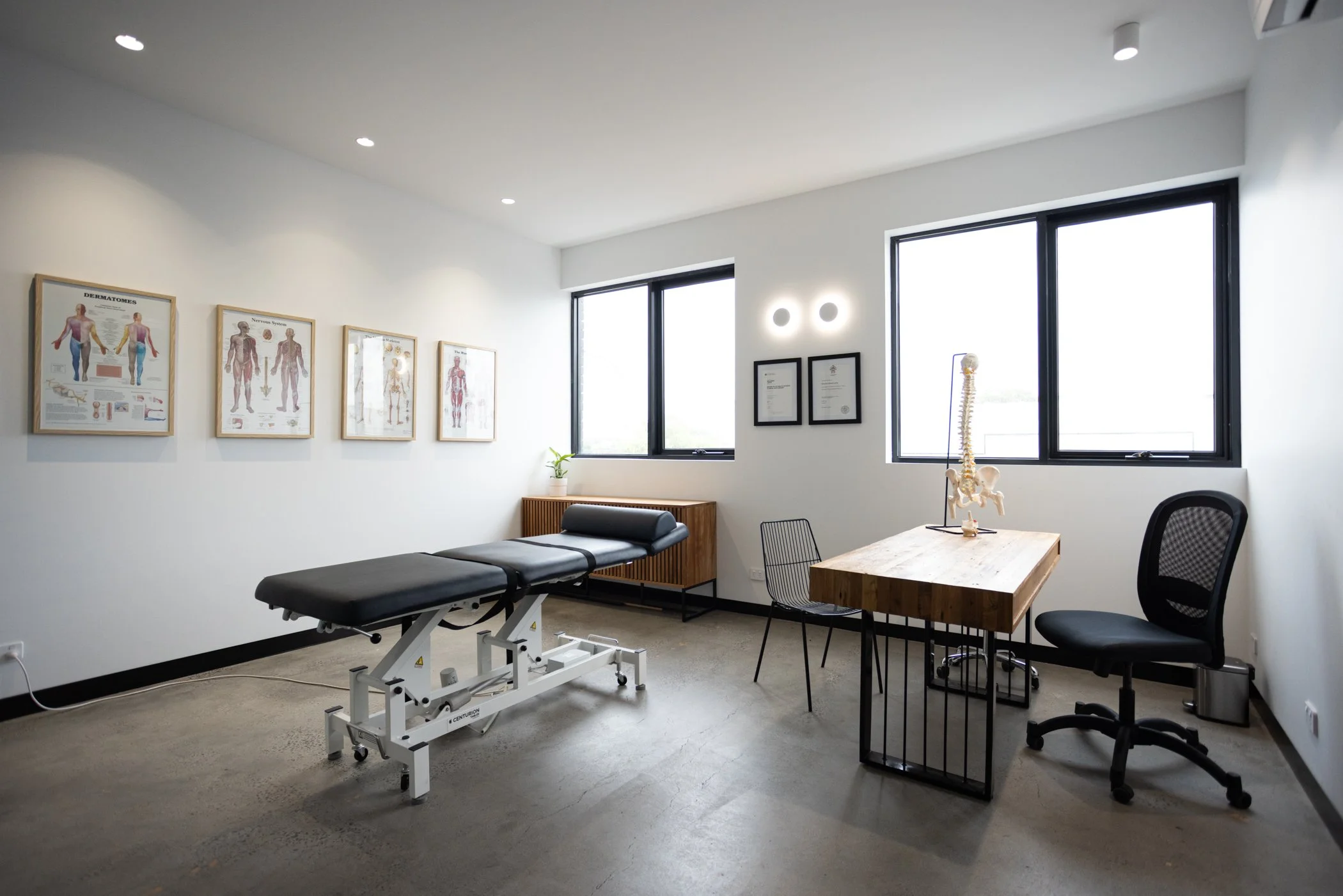
Athletic Spine works with soccer players of all levels across Melbourne's inner north, from junior players dealing with their first episode of back pain, to senior club players managing a recurring complaint across a long competition season, to masters players who want to keep playing competitive football well into their fifties.
We work with players from local clubs across Brunswick, Carlton, Fitzroy, Coburg, and surrounding suburbs, as well as players travelling from across Melbourne who want spinal physiotherapy that understands the specific demands of the game.
Position, age, playing level, and training volume all influence the approach. Whether you're playing NPL football or Saturday morning social, you deserve a rehabilitation plan built around what you actually do on the pitch.
Frequently Asked Questions
Why does my lower back hurt more after soccer than other activities?
Soccer's kicking action creates a unique combination of rotational and compressive force through the lumbar spine that most other activities don't replicate. If your thoracic spine or hips lack mobility, that force concentrates in the lumbar joints and discs rather than being distributed across the full movement chain. The pain you feel after soccer is the spine signalling that something in that chain isn't moving the way it should, not that soccer is damaging your back.
Is back pain from soccer a sign I need to stop playing?
In most cases, no. Back pain in soccer players is almost always mechanical and responds well to targeted rehabilitation without requiring you to stop playing entirely. What it does require is accurate assessment to identify which structures are involved and intelligent modification of training while those structures are addressed. Continuing to play through unmanaged back pain, without understanding what's driving it, is what tends to turn a manageable problem into a prolonged one.
Why does my lower back pain keep coming back every season?
Recurring lower back pain in soccer players almost always traces back to an unresolved movement asymmetry, typically a combination of restricted hip rotation on the non-dominant side and reduced thoracic mobility that forces the lumbar spine to compensate during kicking. If that asymmetry is never corrected, the same structures get irritated every time training volume increases or the season ramps up. Treatment that addresses symptoms without correcting the underlying movement pattern will produce the same result every pre-season.
Can spinal physiotherapy help with groin and hip pain related to soccer?
Often, yes. Many presentations of groin and hip pain in soccer players, particularly osteitis pubis and adductor-related complaints, are directly connected to how the lumbar spine and pelvis are functioning. Sacroiliac joint dysfunction and lumbar facet irritation can both refer pain into the groin and anterior hip in patterns that are routinely misattributed to the hip flexors or adductors. A thorough spinal assessment is a logical first step when hip and groin pain in a soccer player isn't responding to local treatment.
Ready to Get Back to Soccer?
Lower back pain shouldn't be the reason you're managing minutes, avoiding shooting practice, or sitting out of pre-season. Whether you're dealing with a new complaint, a recurring problem that follows the same seasonal pattern, or an injury that simply hasn't responded to what you've already tried, Athletic Spine provides spinal physiotherapy in Brunswick for soccer players across Melbourne.
Book an assessment at Athletic Spine and find out exactly what's driving your symptoms and what it takes to get back on the pitch.
For Details on available services and to book a session, click the link below.
The Clinic
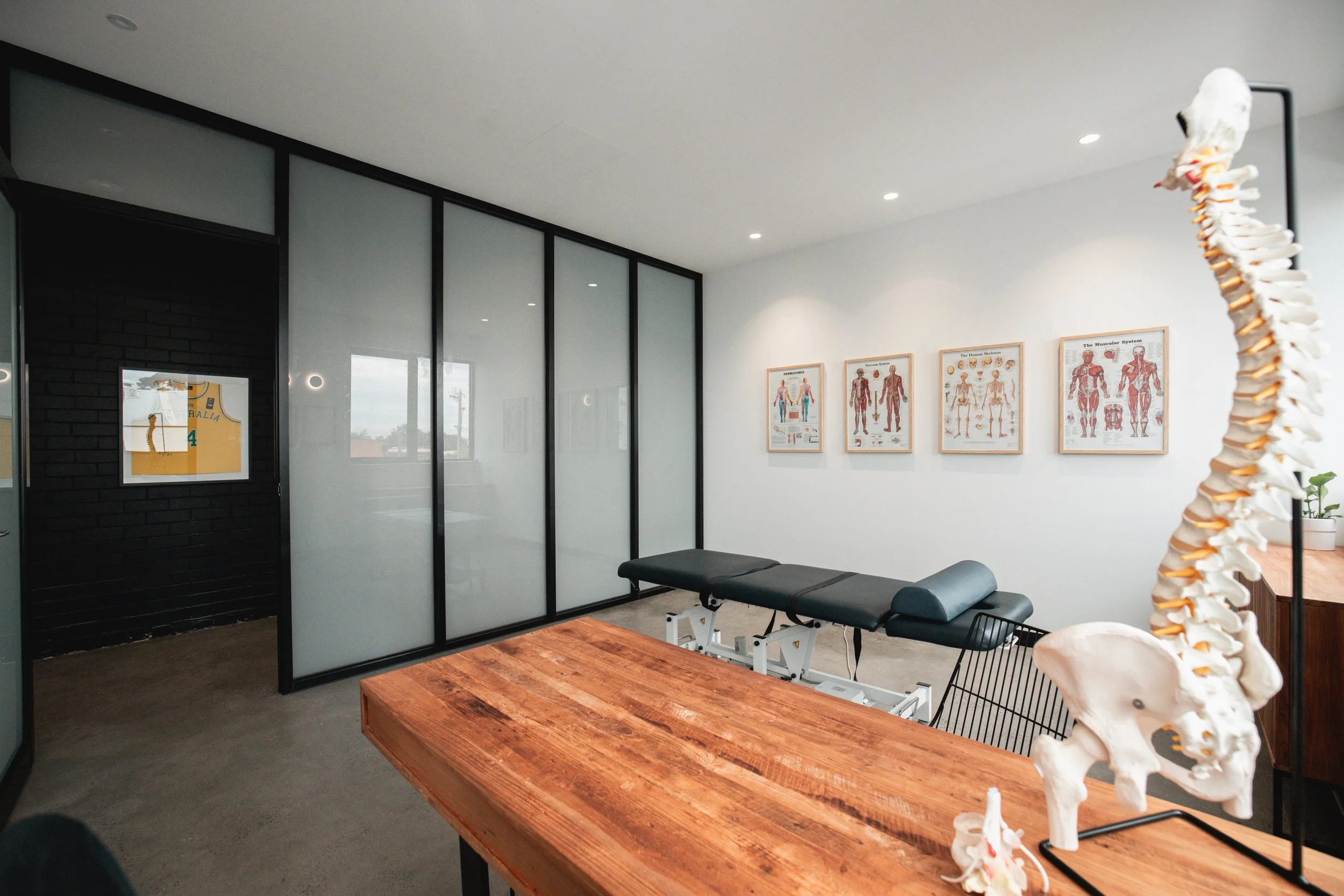
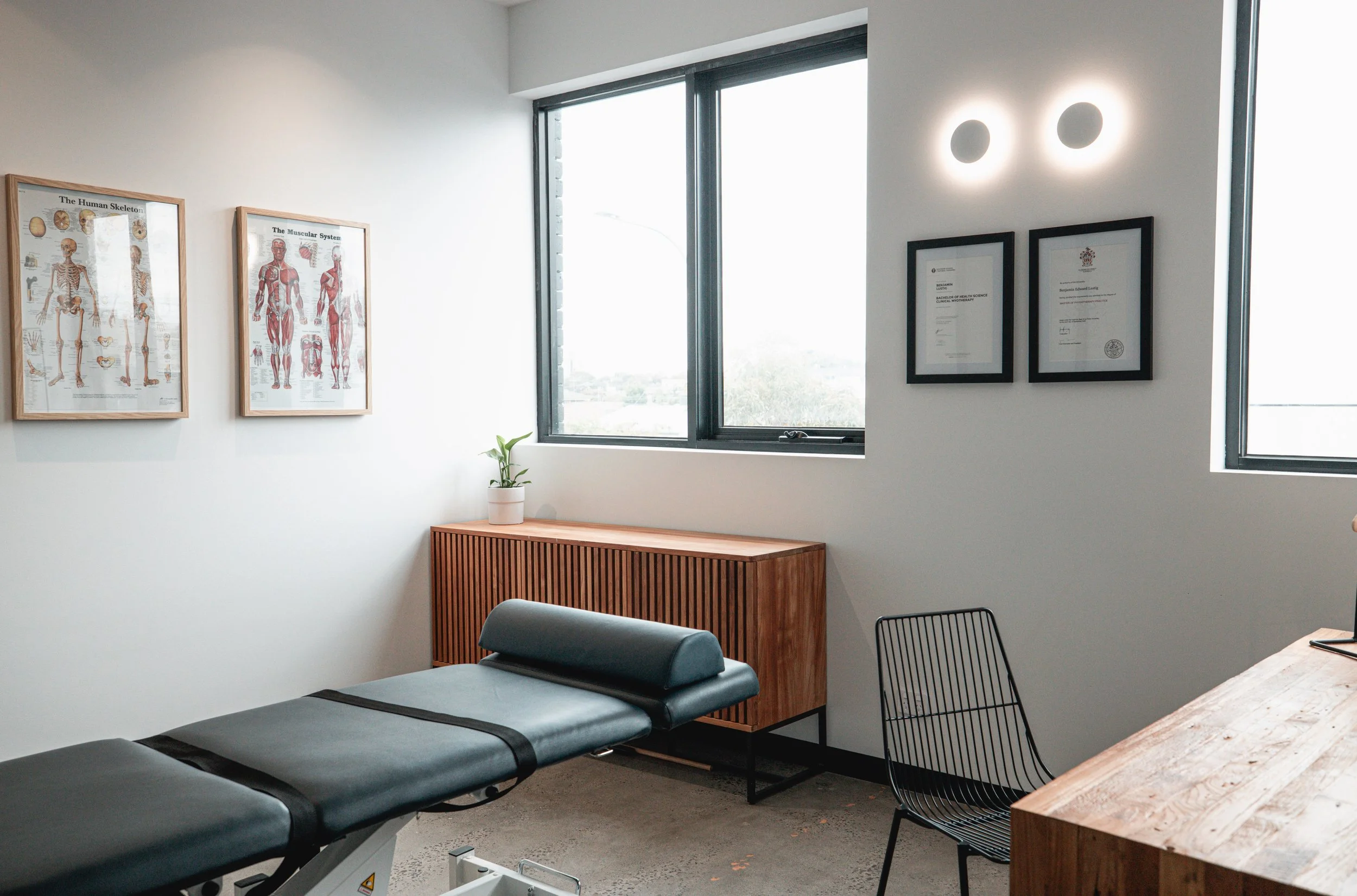

Are You A New Patient?
All new patients are invited to book an initial Physiotherapy consultation. The initial consultation includes:
Medical & injury history
Clinical and/or performance related goals established
Full Physiotherapy assessment & diagnosis
Individualised posture, mobility, strength and technique corrections
Modification of daily and/or training movements to reduce re-injury risk
Education to enhance understanding of the injury and reduce relapse risk
Follow up to enhance accountability & support
One hour duration
HICAPS available onsite to process private healthcare & Medicare rebates (where eligible)
Meet The Team

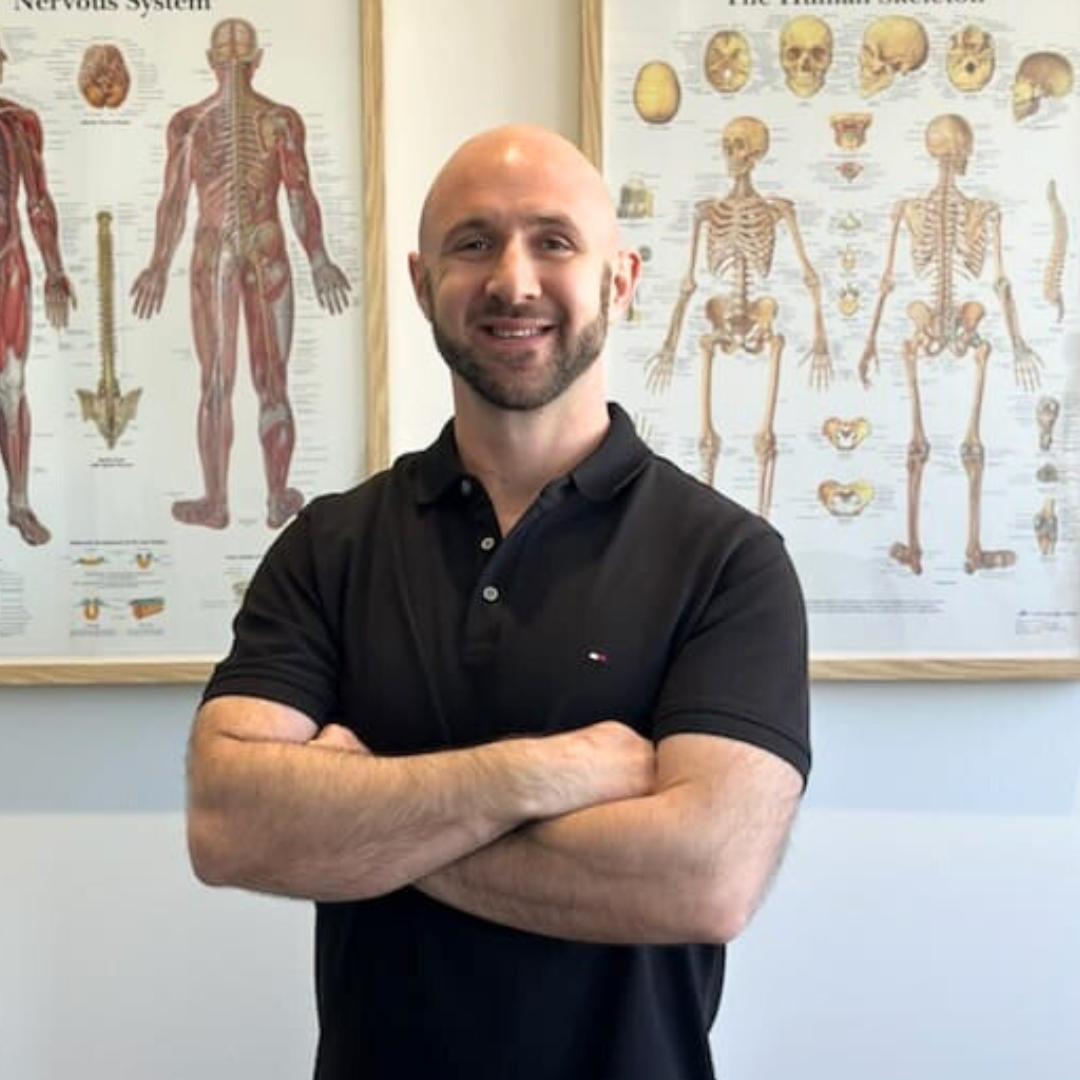
YOMITHA NAVARATNE
Benjamin Lustig
FounderBHSc M. Physio
M. Sports PhysioRecent Blogs



Location
Athletic Spine is located at 83A Weston Street, Brunswick, Victoria 3056
For Details on available services and to book a session, click the link below.
Contact
We greatly look forward to hearing from you. Please complete the form below to get in touch. Otherwise you can book an appointment online here.