
Sports Physiotherapy for Gymnastics
Have an existing or previous AFL injury?
Need help with injury prevention or optimising performance?
WHO wE’VE wORKED wITH







Gymnasts Are Told Their Back Pain Is From Overtraining, It's Almost Never That Simple
The first thing a gymnast hears when their back starts hurting is that they're doing too much. Too many beam routines, too many vault repetitions, too many hours in the gym. Rest is prescribed, training is reduced, and two weeks later the gymnast returns to the same skills, the same positions, and the same pain, because nothing about the movement pattern that created the problem was ever addressed.
Gymnastics back injuries are not overuse injuries in any meaningful clinical sense. They are position-specific mechanical failures that occur at predictable points in predictable skills, in predictable gymnasts, for predictable reasons. The gymnast who develops lower back pain on back walkovers and back handsprings is not training too much. They are moving through a spinal position that their current movement system cannot support cleanly, and until that movement system is corrected, reducing the number of repetitions simply delays the inevitable.
Athletic Spine in Brunswick works with gymnasts across Melbourne, providing spinal physiotherapy that understands the extraordinary range, loading, and precision demands of the sport, and what it actually takes to address the mechanical failures that create gymnastics back injuries rather than simply waiting for them to settle.
Why Gymnastics Is Uniquely Demanding on the Spine
Gymnastics places demands on the lumbar spine that no other sport replicates in terms of the combination of range, speed, and precision required simultaneously. A back walkover requires the lumbar spine to move through extreme hyperextension while bearing the gymnast's full body weight through a single arm and transitioning at speed through a dynamic movement sequence. A layout salto requires the lumbar spine to extend maximally in mid-air while the core stabilising system maintains enough tension to keep the body position tight for the rotation. A beam dismount requires the lumbar spine to absorb landing forces from height in a position the gymnast has less than a second to prepare for.
What makes gymnastics uniquely difficult is that the sport requires the lumbar spine to move into ranges that clinical assessment would consider end-range or beyond in almost every other population, and to do so with precision, at speed, under competitive pressure, from childhood or early adolescence. The spine that a gymnast asks to hyperextend on every back walkover at age twelve is still skeletally immature. The pars interarticularis, the small bony bridges at the back of the lumbar vertebrae, are particularly vulnerable during this developmental window, and gymnastics is the sport with the highest documented rate of pars stress reactions of any athletic discipline.
The apparatus adds further mechanical specificity. Artistic gymnastics involves completely different spinal demands depending on the event. The bar requires sustained lumbar flexion under swinging momentum and the compressive forces of giant swings. The beam requires the lumbar spine to maintain precise neutral position during balance skills while simultaneously expressing the extreme extension of back skills. The floor requires the spine to move between maximal extension in tumbling and the controlled positions of dance elements, often within the same pass. Each apparatus creates a different injury risk profile, and any assessment that treats gymnastics as a single mechanical entity rather than a multi-apparatus sport will miss the apparatus-specific mechanical story every time.
The asymmetrical demands of floor choreography and one-sided tumbling preferences add yet another layer. Most gymnasts tumble primarily in one direction, have a preferred cartwheel and walkover side, and express a dominant back extension pattern that creates a progressive rotational asymmetry through the lumbar spine across years of training. This asymmetry is the silent background condition against which every acute gymnastics back injury occurs.
For Details on available services and to book a session, click the link below.
Most Common Spinal Conditions in Gymnastics
Spondylolysis (Pars Stress Reaction) Spondylolysis is the defining spinal injury of gymnastics and the one that warrants the most serious attention in young gymnasts. The pars interarticularis fractures under the repetitive mechanical pinch created by lumbar hyperextension, the position that defines back walkovers, back handsprings, layout saltos, and the majority of gymnastics' most fundamental skills. This is not a fatigue failure from repetition alone, it is a movement sequencing problem. When the deep lumbar stabilisers fail to pre-activate before hyperextension is entered, and when the thoracic spine and hip flexors lack the mobility to distribute the extension demand across a longer spinal segment, the full extension force concentrates at the pars of a single lumbar vertebra. In a skeletally immature spine, that concentration is sufficient to create a stress reaction that progresses to fracture if the movement pattern is not identified and corrected. Early detection through clinical assessment and appropriate imaging is critical, a unilateral pars stress reaction that is identified and managed conservatively has a very different trajectory to a bilateral fracture discovered after months of continued training through symptoms.
Lumbar Facet Joint Pain Facet joint irritation in gymnasts develops through a different mechanism to most other sports. Rather than rotational overload, gymnastics facet pain typically reflects the compressive pinch created by repeated extreme hyperextension, the facet joints on the posterior lumbar spine are compressed together forcefully every time the gymnast enters a back extension position. When hip flexor tightness prevents the pelvis from posteriorly tilting during extension skills, which is common in gymnasts who develop hip flexor shortening from the sustained hip flexion positions of stretching and conditioning, the extension demand concentrates at the lower lumbar facets rather than being distributed across a longer arc. Facet pain in gymnasts is characteristically one-sided, sharp with back extension skills, and often indistinguishable from early spondylolysis without clinical assessment and imaging.
Thoracic Spine Stiffness and Pain Thoracic spine mobility is a prerequisite for safe lumbar spine function in gymnastics. The extreme extension demands of gymnastics skills should be distributed across the full length of the spine, a thoracic spine that extends freely allows the lumbar spine to contribute a smaller, safer share of the total extension arc. When the thoracic spine is stiff, which happens in gymnasts who spend significant training time in the flexed positions of bar work, conditioning, and stretching, the extension of back skills is concentrated at the lumbar level. A gymnast with restricted thoracic extension who performs twenty back walkovers in a training session is asking their lumbar spine to do work that should be shared across fifteen vertebral segments. The thoracic spine's contribution matters enormously, and its restriction is one of the most consistently underaddressed factors in gymnastics lumbar injuries.
Lumbar Disc Irritation Disc-related injuries in gymnasts are less common than pars and facet problems but occur specifically in the context of bar work, where the combination of lumbar flexion under the compressive and centrifugal forces of giant swings creates a mechanical environment at the posterior disc that is unique to gymnastics. The disc is placed into sustained flexion under the momentum of the giant swing and is then subjected to the rapid extension of the release or circle, a repetitive flexion-to-extension transition under significant force that stresses the posterior disc wall in a way that no other gymnastics apparatus replicates. Gymnasts with disc involvement describe a lower back pain that is specifically provoked by bar work, is worst after high-repetition giants and release skill practice, and eases with the extension-dominant demands of floor and beam.
Hip Flexor Tightness and Lumbopelvic Control Failure Hip flexor tightening is endemic in gymnastics and is one of the primary upstream drivers of lumbar injury across all apparatus. The sustained hip flexion positions of gymnastics conditioning, paired with the extreme hip extension demands of back skills, creates a pattern where the hip flexors are simultaneously too tight for safe lumbar extension and too weak at their end range to contribute to the controlled extension arc the skill requires. When the hip flexors can't lengthen freely into extension, the pelvis is pulled into an anterior tilt and the lumbar spine hyperextends prematurely, concentrating the extension demand at the lower lumbar segments before the upper lumbar and thoracic segments have had a chance to contribute. Addressing hip flexor extensibility and lumbopelvic control is not supplementary to gymnastics back injury rehabilitation, it is central to it.
How Athletic Spine Approaches Gymnastics Injuries
Gymnastics back injuries require a clinical framework that most general physiotherapy practices are not equipped to provide. The positions involved are beyond the range of everyday function. The skills are technically specific in ways that require the clinician to understand the biomechanics of the apparatus. And the population, often adolescent, often in a high-performance training environment, often managed by coaches who are understandably focused on competition preparation, requires a rehabilitation approach that is both clinically precise and practically compatible with the realities of the training week.
At Athletic Spine, assessment of a gymnast starts with the apparatus, the specific skills, and the specific positions that are provoking symptoms. That means understanding which phase of a back walkover is creating the pain, is it the initial entry into extension, the mid-range handstand position, or the transition through to standing? It means assessing thoracic extension mobility and how much of the hyperextension demand is actually being distributed across the full spine versus concentrated at the lower lumbar segments. It means evaluating hip flexor extensibility and lumbopelvic control and identifying whether the pelvis is capable of maintaining a neutral position as the gymnast enters extension skills.
Rehabilitation for gymnasts at Athletic Spine is built around the skill progression of the sport. That means identifying which skills can continue safely while the underlying movement system is being addressed, and which need to be temporarily modified or avoided. It means improving thoracic extension and hip flexor extensibility as the primary interventions, because restoring the segments above and below the lumbar spine reduces the extension demand at the level where the injury is occurring. And it means retraining lumbopelvic control specifically in the extension arc of the skills that provoked the injury, not just in everyday functional positions that bear no resemblance to what gymnastics actually demands.
Gymnasts who come through Athletic Spine leave with a clear understanding of why their back injury developed, which movement system failures allowed the lumbar spine to absorb more than its share of the extension demand, what their early warning signs look like as training intensity increases, and how to monitor and manage their spine across a competition season without becoming reliant on passive treatment to stay in the gym.
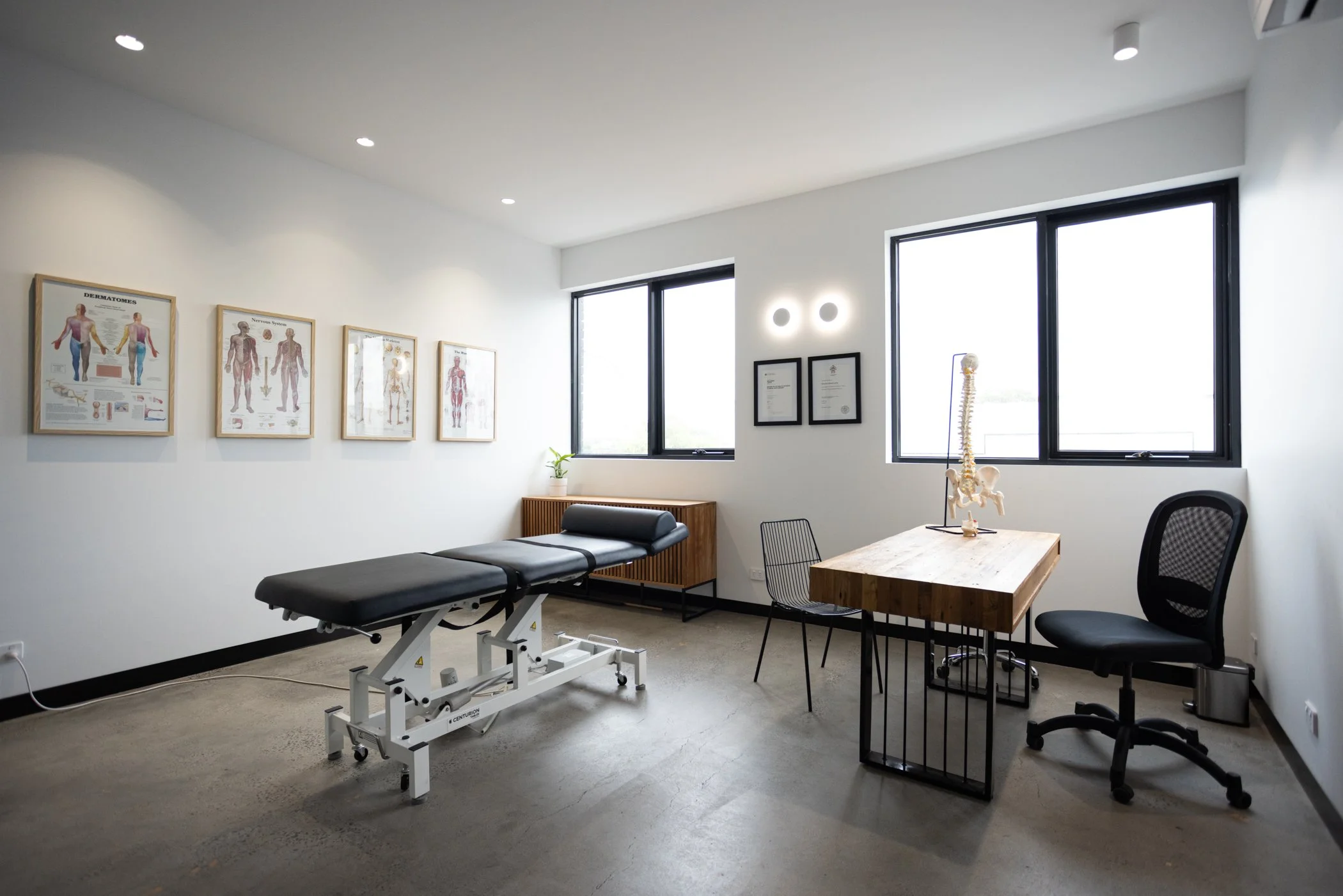
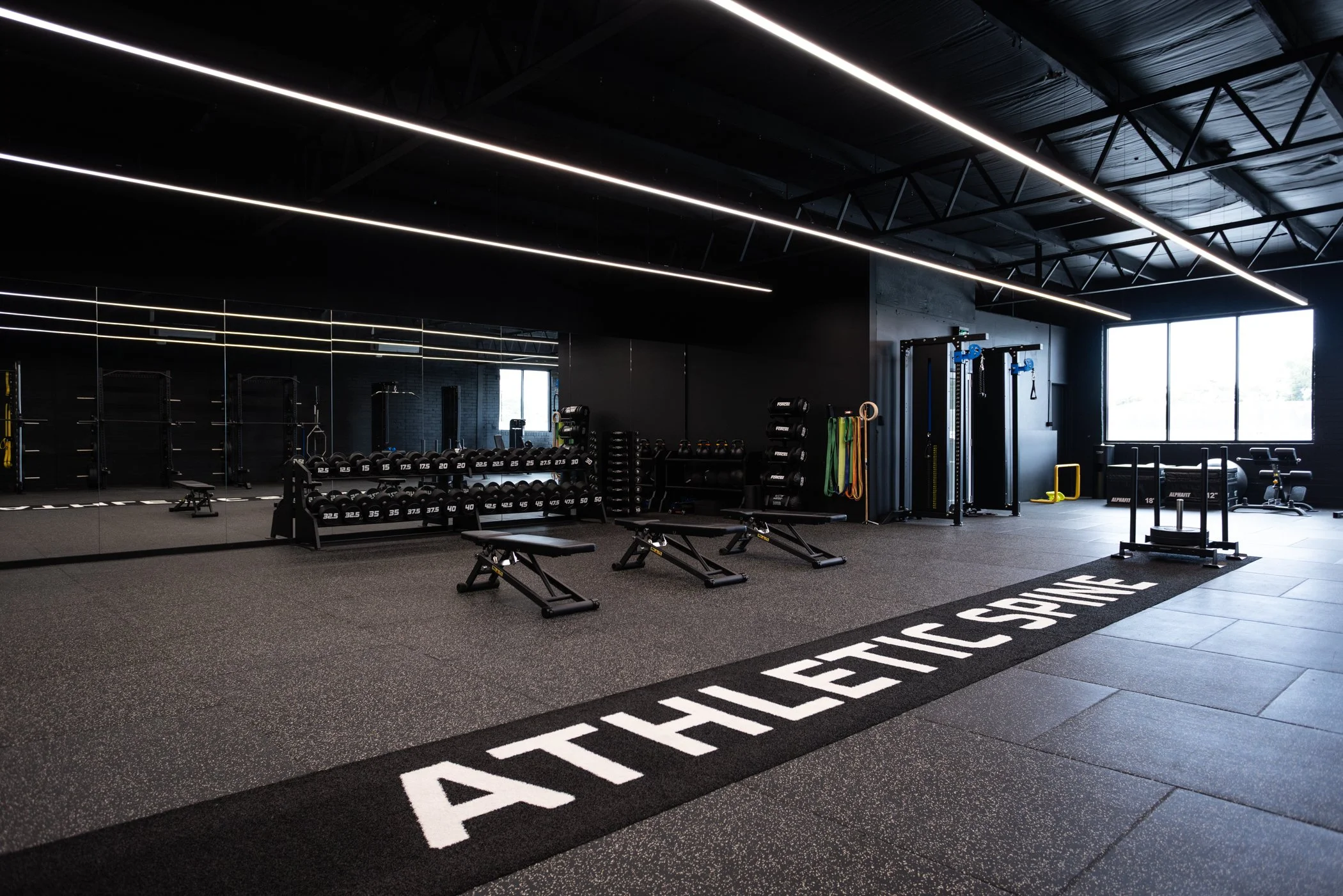
Who We Work With
Athletic Spine works with gymnasts of all levels and ages across Melbourne, from recreational and club-level gymnasts dealing with their first episode of back pain, to state and nationally competitive gymnasts managing a complex spinal presentation alongside a demanding competition calendar, to adult gymnasts returning to the sport after time away.
We work with gymnasts from clubs across Brunswick, Carlton, Fitzroy, Coburg, and surrounding Melbourne suburbs, as well as gymnasts and their families travelling from across Melbourne who want spinal physiotherapy that genuinely understands the apparatus-specific demands of the sport.
Age matters significantly in how we approach gymnastics back injuries. The assessment and management of a thirteen-year-old with a suspected pars stress reaction requires a very different framework to that of a nineteen-year-old with a bar-related disc complaint. Skeletal maturity, growth plate status, and the specific apparatus demands of the gymnast's current training program all shape the approach, and all are considered in every assessment at Athletic Spine.
Frequently Asked Questions
Why is back pain so common in gymnastics compared to other sports?
Gymnastics is the sport with the highest documented rate of lumbar pars stress reactions of any athletic discipline, and the reason is specific and mechanical rather than general. The sport requires the lumbar spine to move through extreme hyperextension repeatedly, from an early age, in a skeletally immature spine that is still developing the bony architecture of the posterior vertebral elements. When the movement system, thoracic mobility, hip flexor extensibility, lumbopelvic control, doesn't support that extension demand cleanly, the force concentrates at the pars of the lower lumbar vertebrae. The frequency of back pain in gymnastics is not an inevitable consequence of the sport. It is the predictable result of a specific movement system failure occurring in a specific structural context.
What is the difference between spondylolysis and general back pain in a gymnast?
Spondylolysis, a stress reaction or fracture of the pars interarticularis, produces a very specific clinical pattern that distinguishes it from general lumbar facet or muscle pain. It is characteristically one-sided, specifically provoked by lumbar extension skills rather than flexion or sustained positions, and often accompanied by a pain that is localised to one side of the lower back rather than centralised. It does not typically produce leg symptoms unless the fracture has progressed significantly. Clinical assessment combined with appropriate imaging, typically MRI or CT, is required to distinguish a pars stress reaction from facet joint irritation, as the two conditions can present with very similar symptom patterns in a gymnast performing extension-dominant skills.
Should a gymnast stop training completely if they have back pain?
In most cases, no, but the answer depends entirely on what is driving the pain. A gymnast with a confirmed pars stress fracture requires a specific modification of extension-loading skills while the bony healing occurs, but can almost always continue with large portions of their training program. A gymnast with lumbar facet irritation may be able to continue most skills with modifications to the specific positions that are compressing the affected joint. A gymnast with disc-related pain from bar work may be able to continue floor and beam while bar work is temporarily modified. The goal is to keep the gymnast moving, keep them in the gym, and keep them developing, not to remove all training stimulus while waiting for pain to resolve.
How does spinal physiotherapy for gymnastics differ from standard back treatment?
Standard back rehabilitation addresses the symptomatic structure in the context of everyday functional demands. It does not account for the hyperextension requirements of back walkovers, the compressive forces of giant swings, or the lumbopelvic control demands of layout saltos. Effective spinal physiotherapy for gymnasts assesses the specific apparatus demands that are provoking symptoms, identifies the movement system failures that are concentrating stress at the injury site, and builds rehabilitation around progressive return to those exact skill demands, with specific attention to thoracic extension, hip flexor extensibility, and lumbopelvic control in the positions the sport actually requires.
Ready to Get Back in the Gym?
Back pain that keeps a gymnast off the apparatus, limits their extension skills, or keeps returning every time training intensifies is not something to manage indefinitely with rest and hope. Athletic Spine provides spinal physiotherapy in Brunswick for gymnasts across Melbourne, built around the specific apparatus demands of the sport and focused on addressing the movement system failures that are allowing the lumbar spine to absorb more than its share of the extension demand.
Book an assessment at Athletic Spine and find out exactly what your spine is doing during the skills that matter, and what it takes to get back in the gym without the same problem limiting your training.
For Details on available services and to book a session, click the link below.
The Clinic
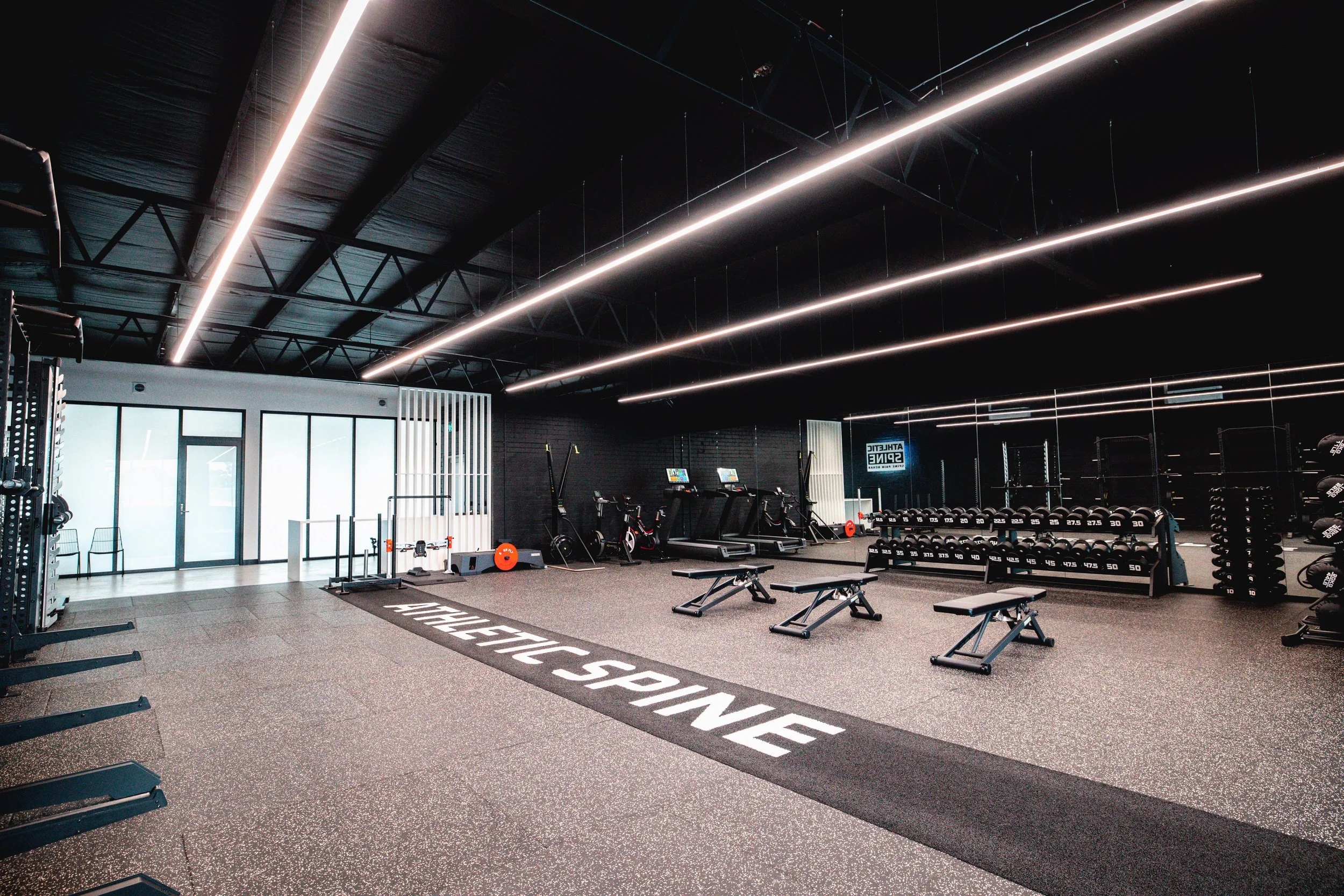
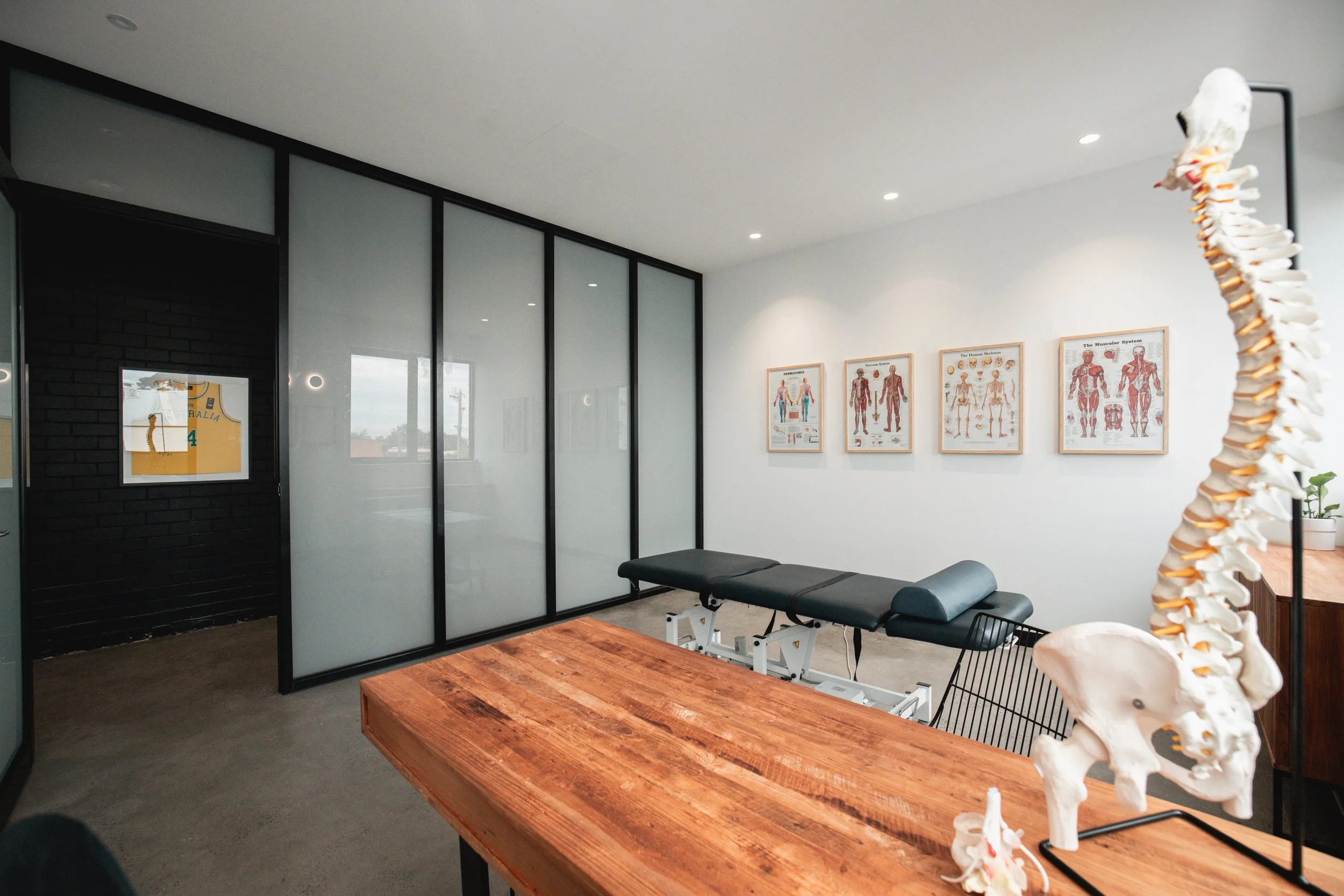
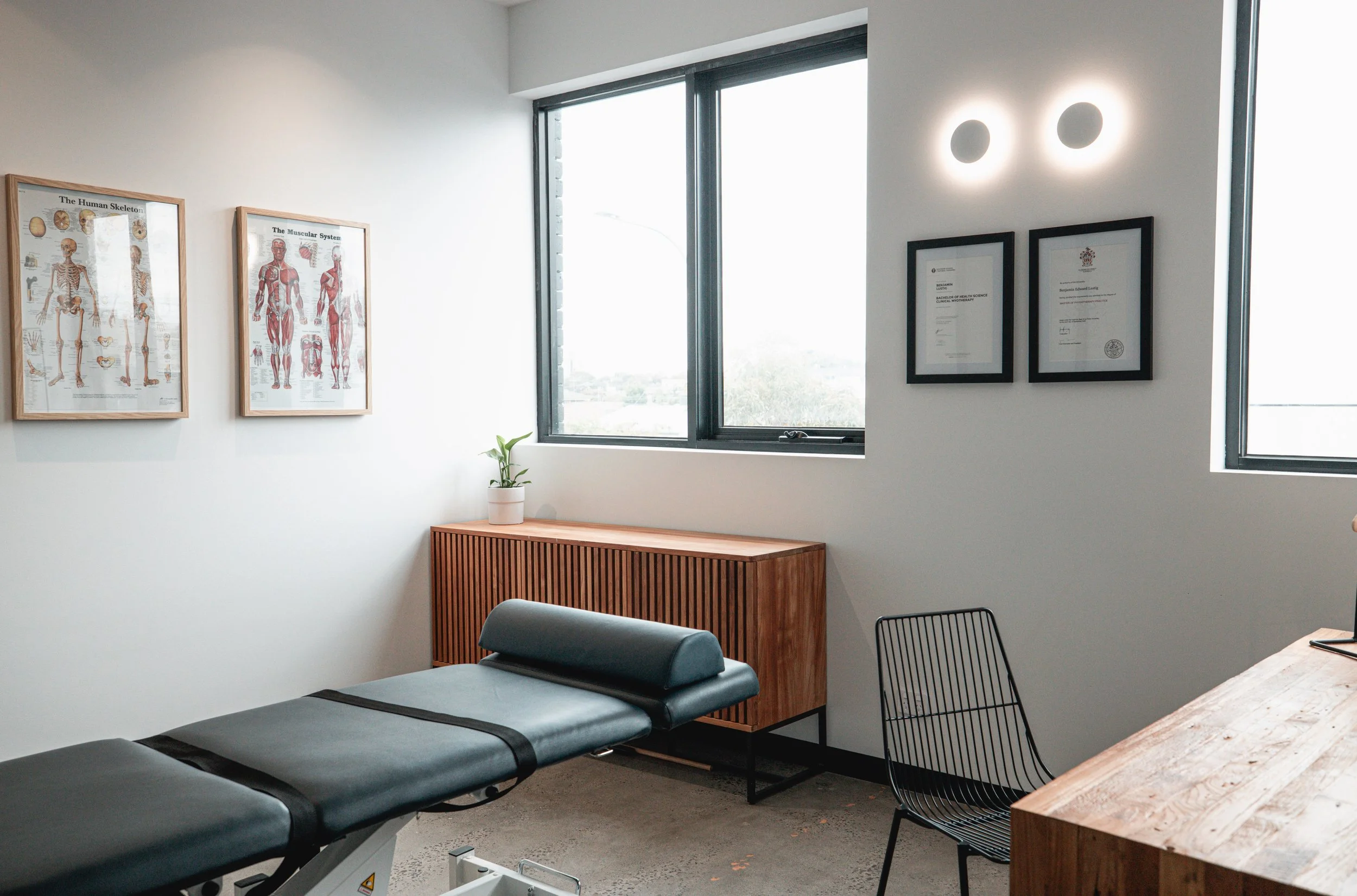

Are You A New Patient?
All new patients are invited to book an initial Physiotherapy consultation. The initial consultation includes:
Medical & injury history
Clinical and/or performance related goals established
Full Physiotherapy assessment & diagnosis
Individualised posture, mobility, strength and technique corrections
Modification of daily and/or training movements to reduce re-injury risk
Education to enhance understanding of the injury and reduce relapse risk
Follow up to enhance accountability & support
One hour duration
HICAPS available onsite to process private healthcare & Medicare rebates (where eligible)
Meet The Team

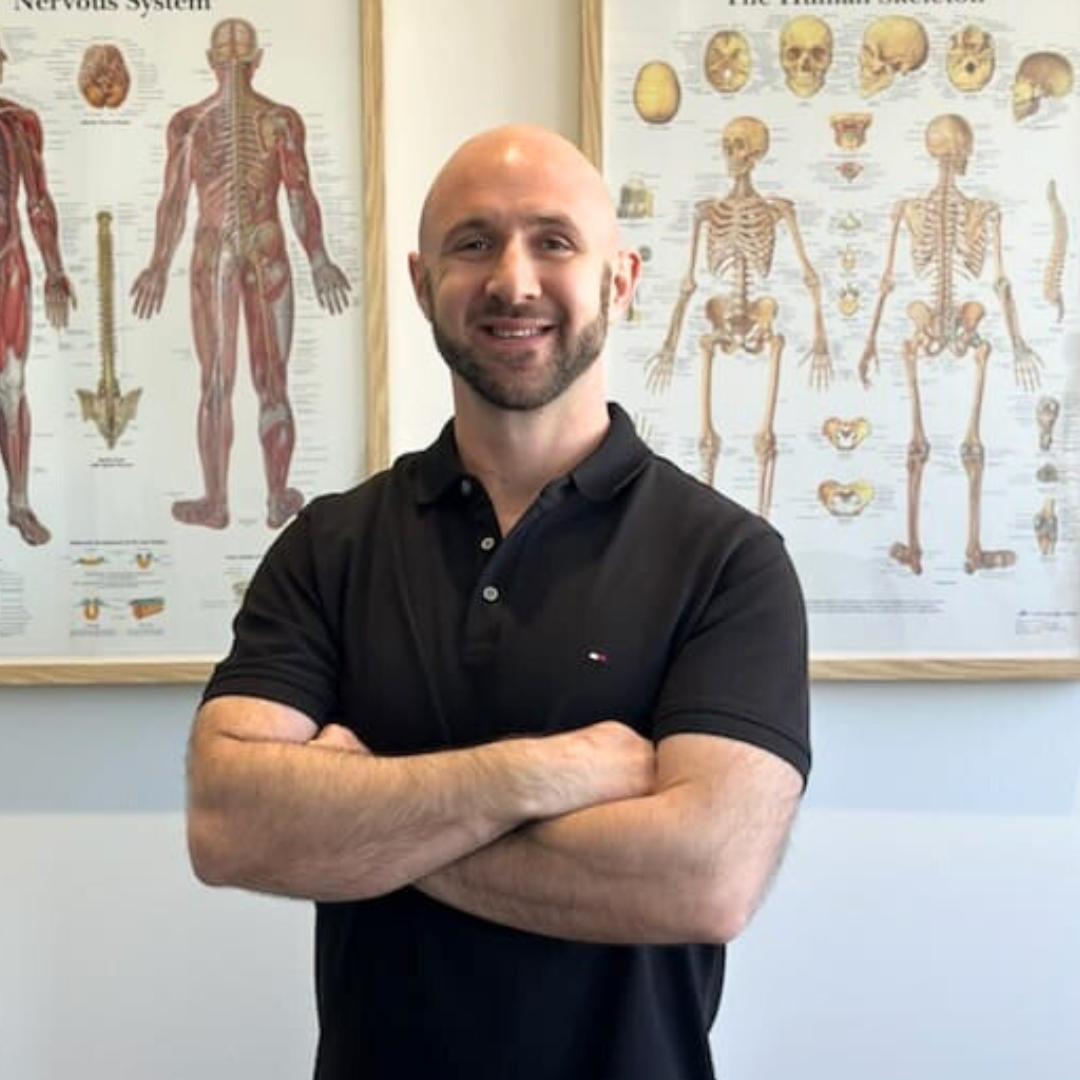
YOMITHA NAVARATNE
Benjamin Lustig
FounderBHSc M. Physio
M. Sports PhysioRecent Blogs



Location
Athletic Spine is located at 83A Weston Street, Brunswick, Victoria 3056
For Details on available services and to book a session, click the link below.
Contact
We greatly look forward to hearing from you. Please complete the form below to get in touch. Otherwise you can book an appointment online here.