
Sports Physiotherapy for Hockey
Have an existing or previous AFL injury?
Need help with injury prevention or optimising performance?
WHO wE’VE wORKED wITH






Hockey's Back Problem Isn't the Stick, It's the Position You Hold for Sixty Minutes
Ask most people what causes back pain in hockey and they'll say the stick. The bent-over grip, the low dribbling position, the drag flick. And while those movements are genuinely demanding, they're not the whole story, and focusing on them alone misses the most significant mechanical driver of spinal injury in the sport.
The real issue in hockey is sustained lumbar flexion. Not the explosive rotational demand of a drag flick or a hit. Not a single awkward tackle. It's the fact that hockey players spend the majority of a sixty-minute game in a position of continuous forward trunk flexion that would make a physiotherapist wince if they saw it at a desk, and then repeat that across two training sessions and a game every week for a full season.
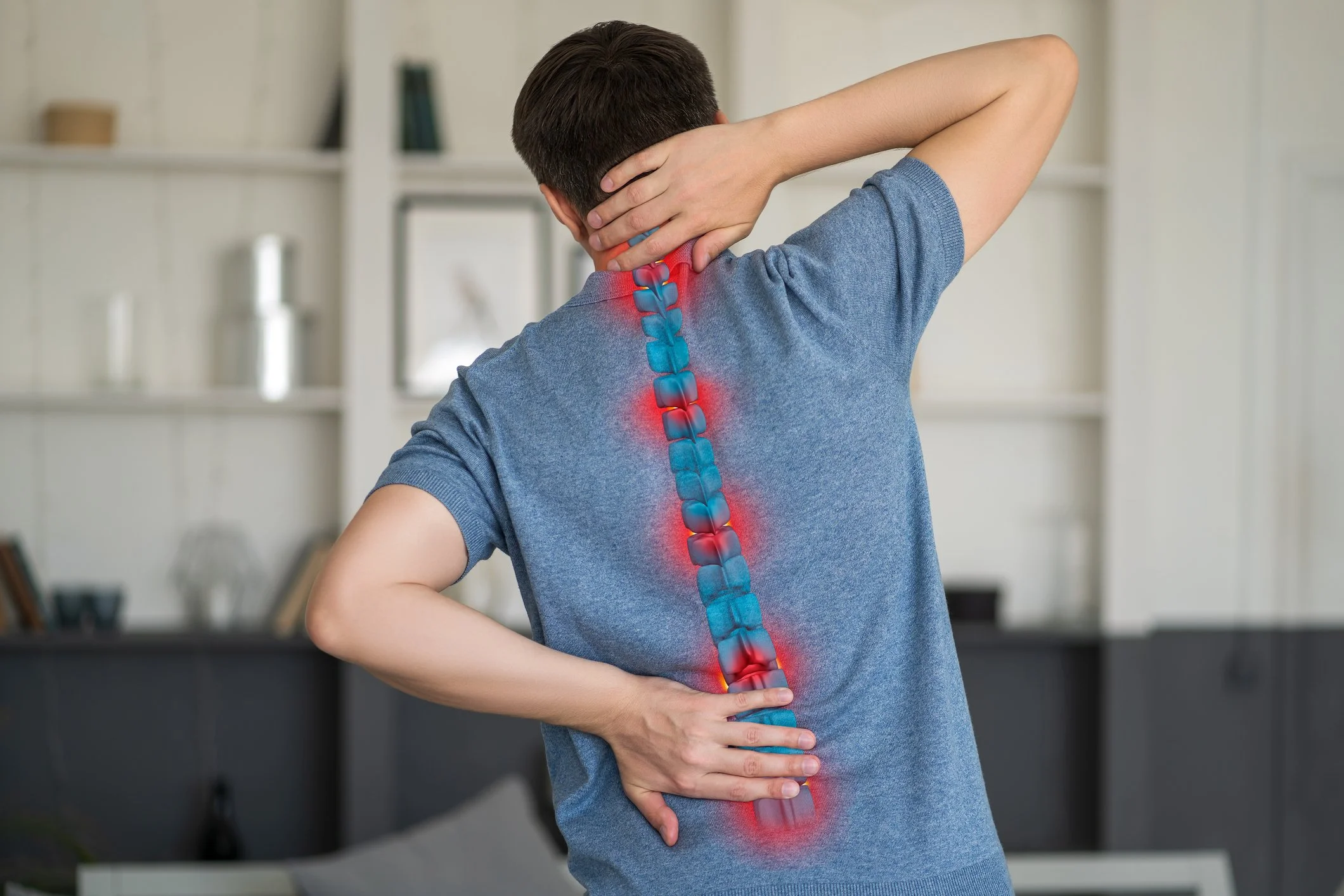
The spine is not designed to sustain that position indefinitely. When it's asked to, the structures at the back of the lumbar spine, the facet joints, the posterior disc wall, the surrounding musculature, accumulate stress in a very predictable pattern. And that pattern shows up as the lower back pain that hockey players across Melbourne normalise as just part of the sport.
Athletic Spine in Brunswick works with hockey players across Melbourne providing spinal physiotherapy that addresses the actual postural and mechanical demands of the game, not just the acute episodes that finally become impossible to ignore.
Why Hockey Is Uniquely Demanding on the Spine
Hockey is unique among field sports in that its fundamental playing position, the forward trunk lean required to control a low ball with a short stick, places the lumbar spine into sustained flexion for extended periods that no other running sport replicates. A soccer player stands upright between actions. An AFL player sprints in a relatively neutral spinal position. A hockey player maintains a continuous forward lean from the opening whistle to the final.
This sustained flexion does two things simultaneously. First, it places the posterior elements of the lumbar spine, the discs and facet joints, under sustained mechanical tension that intensifies across the duration of a game. Second, it progressively fatigues the erector spinae and lumbar multifidus muscles that are working continuously to maintain that position against gravity. As those muscles fatigue across the second half, the lumbar spine begins to sag further into flexion, and the passive structures absorb more of the demand the muscular system can no longer manage.
The drag flick adds a completely different mechanical demand on top of this. The drag flick is one of the most technically complex and biomechanically demanding skills in field sport, requiring the lumbar spine and pelvis to generate rapid rotational power from a deeply flexed, low position while the body is moving laterally. The combination of deep lumbar flexion, rapid rotation, and lateral trunk shift in a single movement creates a shear and compression environment at the lumbar disc and facet level that is genuinely unique to hockey.
Field position matters too. Defenders spend more time in the sustained low position during pressure situations and defensive structure. Forwards generate more high-speed rotational demands from shooting and deflection. Midfielders experience both. The injury pattern in hockey is position-specific, and any assessment that doesn't account for positional demands will produce a rehabilitation plan that isn't specific enough to the player's actual experience of the game.
For Details on available services and to book a session, click the link below.
Most Common Spinal Conditions in Hockey
Lumbar Disc Irritation The posterior lumbar discs are the most common site of pain in hockey players, and the mechanism is entirely predictable. Sustained lumbar flexion gradually migrates the fluid centre of the disc posteriorly, toward the outer disc wall and the nerve roots that sit behind it. When this sustained flexion is then combined with the rapid rotation of a hit, flick, or tackle, the posterior disc wall is placed under a shear stress that it handles poorly. Hockey players with disc-related pain typically describe a lower back ache that builds across a game, is worst in the sustained low dribbling position, and is often accompanied by a stiffness that makes standing upright difficult immediately after the final whistle.
Lumbar Facet Joint Pain The facet joints at the back of the lumbar spine are compressed during extension and rotation, the movements that follow the sustained flexion of open play. Every time a hockey player straightens up from the dribbling position, sprints, or executes a powerful hit, the facet joints transition rapidly from a distracted, flexion-loaded position into compression. When that transition is repeated hundreds of times across a game in a spine that is already fatigued and poorly braced, the facet joints become irritated and progressively inflamed. Facet pain in hockey players is characteristically sharp with extension and rotation, often one-sided, and frequently misidentified as a hip or glute problem because of its referral pattern into the buttock and posterior thigh.
Thoracic Spine Stiffness and Pain The sustained forward lean of hockey play doesn't just affect the lumbar spine, it progressively stiffens the thoracic spine into flexion across a season. As thoracic extension and rotation become restricted, the rotational demands of hitting, passing, and drag flicking that should be distributed across the thoracic spine get concentrated at the lumbar level instead. A hockey player with restricted thoracic mobility will use their lower back to generate the rotation their upper back can no longer contribute, and their lower back will let them know about it. Thoracic stiffness in hockey players is one of the most consistently underaddressed contributors to recurring lumbar pain in the sport.
Sacroiliac Joint Dysfunction The drag flick is an asymmetrical skill executed predominantly from one side, generating significant rotational force through the pelvis and sacroiliac joint with every repetition. Players who repeatedly practice the drag flick from a single dominant side develop a progressive rotational asymmetry through the pelvis that can irritate the sacroiliac joint on the leading side. SI joint pain in hockey players presents as a deep, unilateral posterior pelvic or buttock ache that is worst with the rotational demands of the flick, single-leg loading during the approach, and sustained sitting after training.
Cervical Spine Stiffness The forward head position required to track a low ball across a hockey pitch places sustained tension on the posterior cervical structures and progressively loads the upper cervical facet joints. Hockey players who have played for many years often develop a progressive loss of cervical extension range and upper neck mobility that is directly related to the postural demands of the game. This presents as a neck that feels progressively stiffer across a season, loses the ability to fully extend, and becomes tender across the upper cervical and suboccipital region after long training sessions or matches.
How Athletic Spine Approaches Hockey Injuries
The most common mistake in managing hockey-related back pain is treating the acute episode without addressing the postural pattern that created it. A player gets treated for a disc flare, returns to the game in the same sustained flexion position, and is back in clinic six weeks later. The episode was managed. The driver wasn't.
At Athletic Spine, assessment of a hockey player starts with understanding exactly what the sustained flexion demand of their position is doing to their spine across the duration of a game, not just which structure is currently symptomatic. That means evaluating lumbar and thoracic movement patterns, assessing how the deep stabilising muscles of the lumbar spine are responding to sustained postural demands, and identifying where in the movement chain the compensatory demands are concentrating.
For most hockey players, effective rehabilitation involves three parallel streams. The first is restoring thoracic extension and rotation so the lumbar spine is no longer the primary generator of rotational movement in the drag flick and hit. The second is retraining the endurance of the deep lumbar stabilisers, not just their strength in isolation, but their ability to maintain activation across the sustained postural demands of a full game. The third is progressive return to the hockey-specific positions and skills that provoked the problem, with attention to how the lumbar spine is positioned and supported at the specific points in the movement where the breakdown was occurring.
Hockey players who come through Athletic Spine leave with a clear understanding of what their spine is doing in the sustained flexion position, what their early warning signs look like as fatigue accumulates across a game, and how to prepare and recover specifically for the postural demands of hockey, without becoming reliant on passive treatment to manage a problem that never fully resolves.
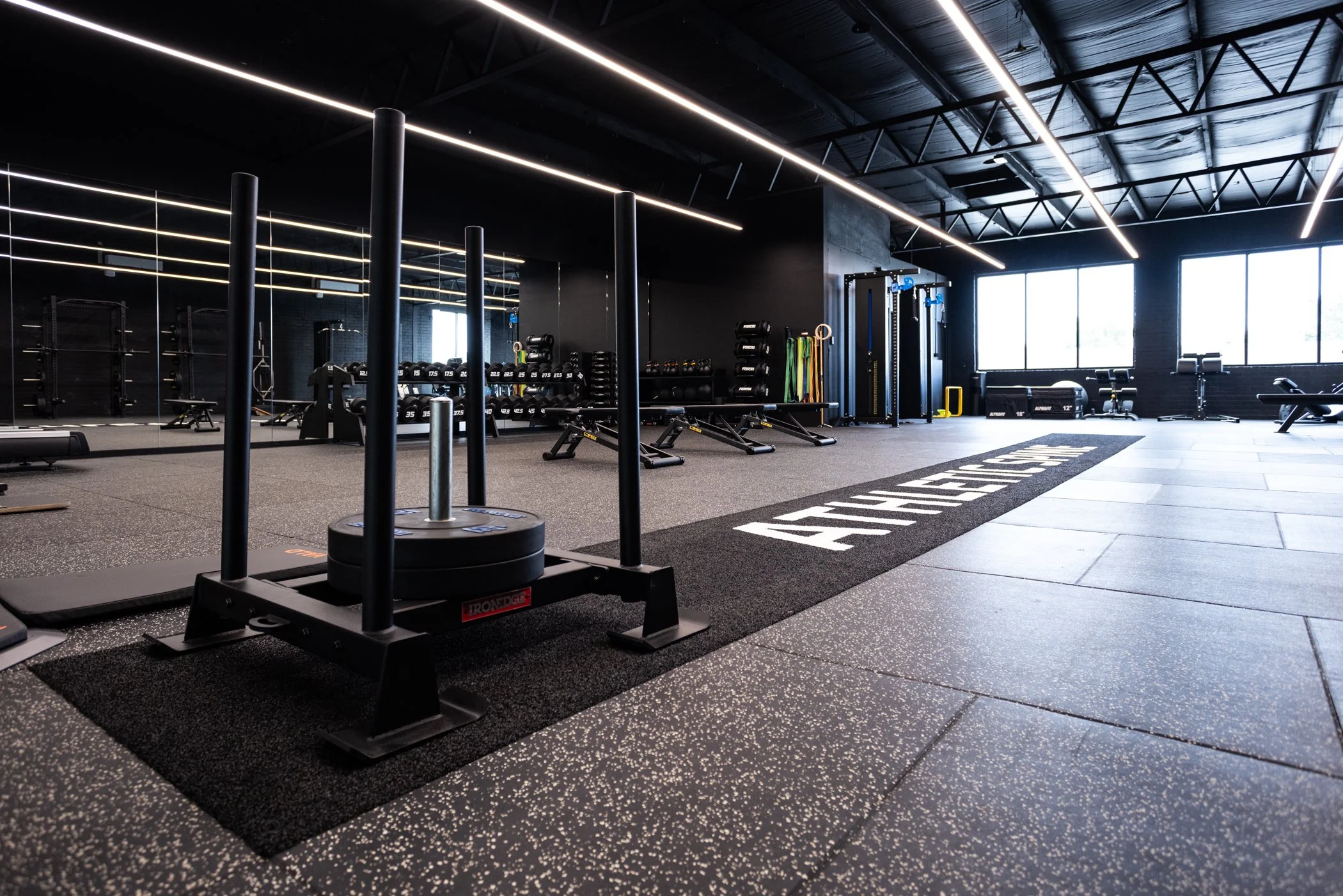
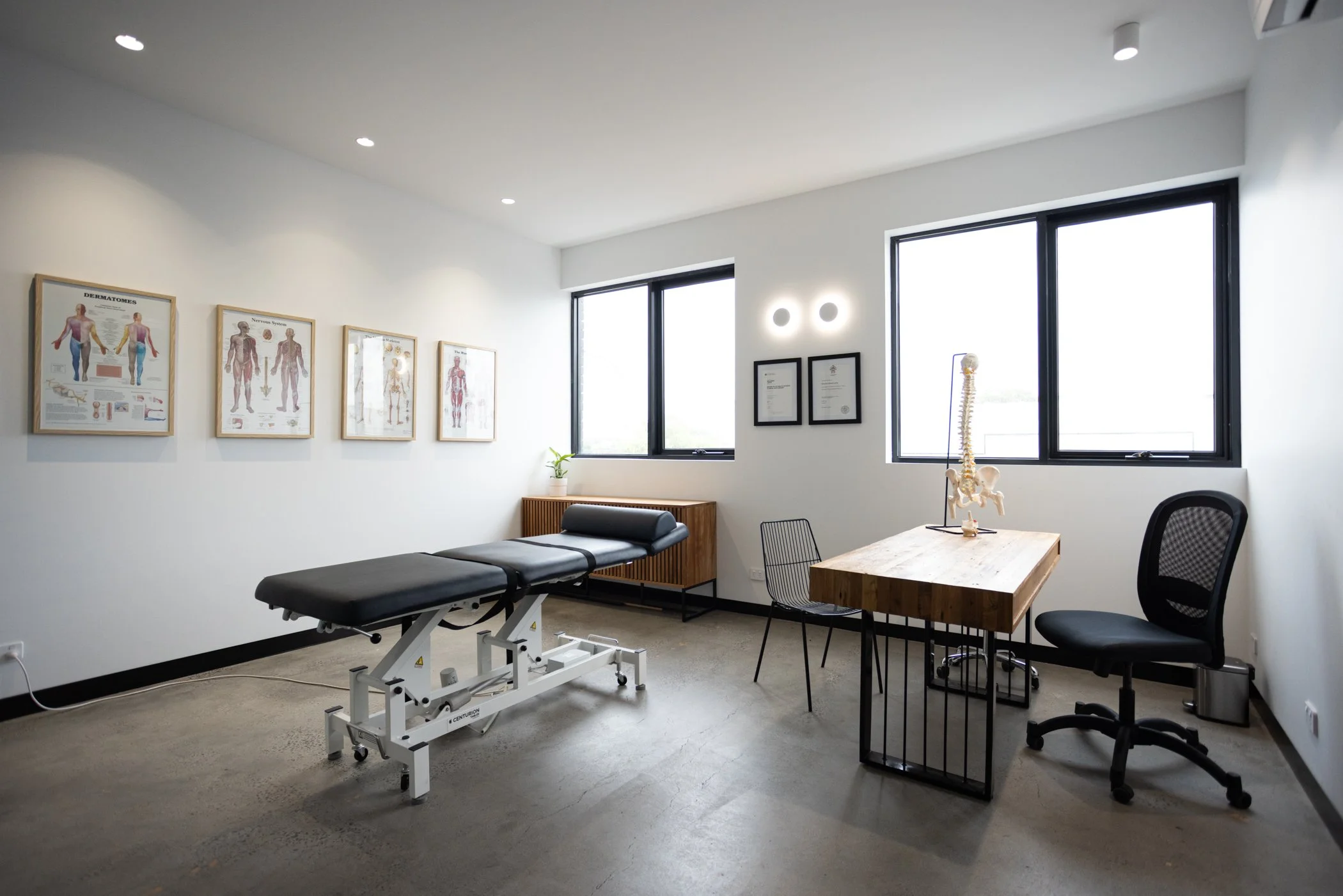
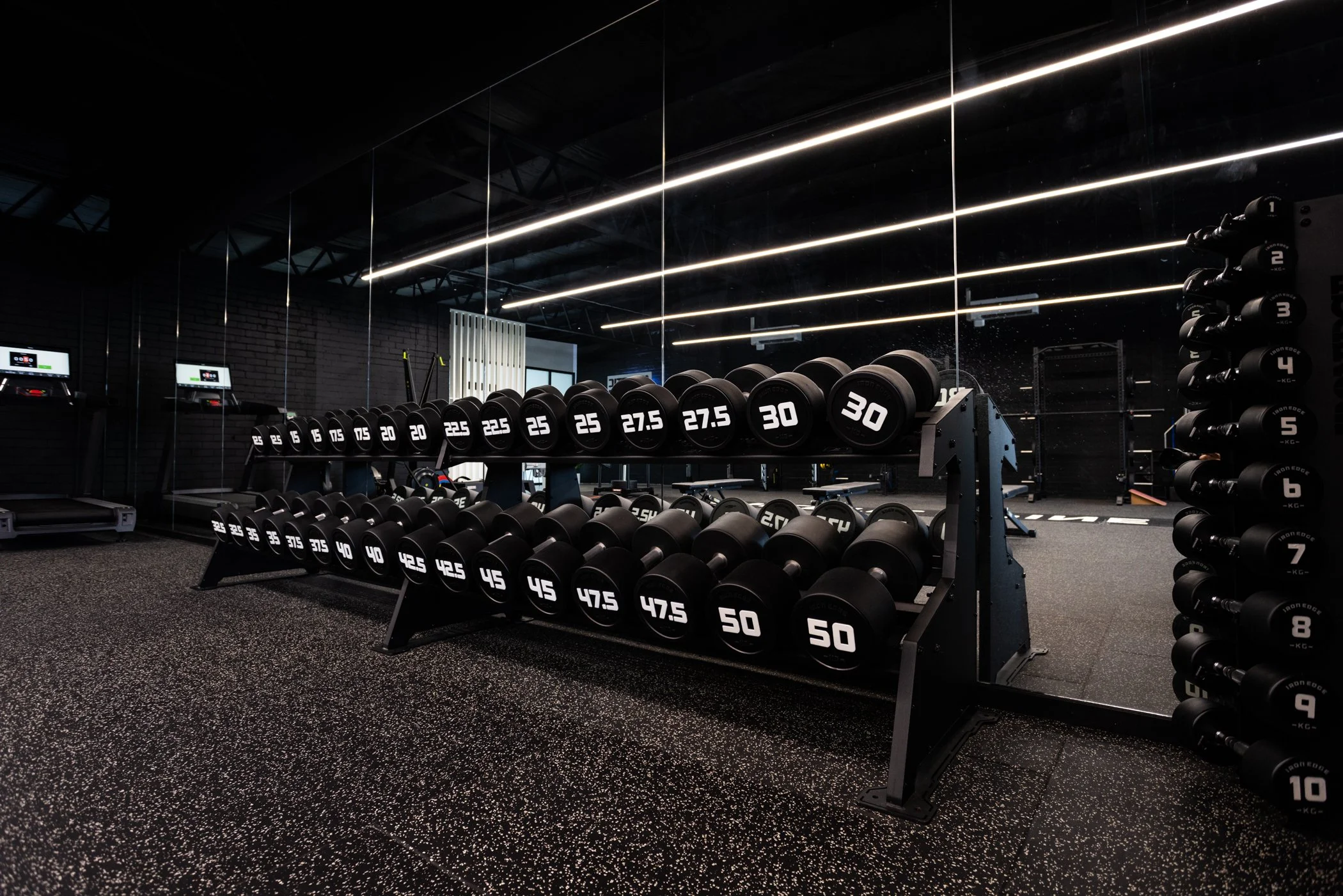
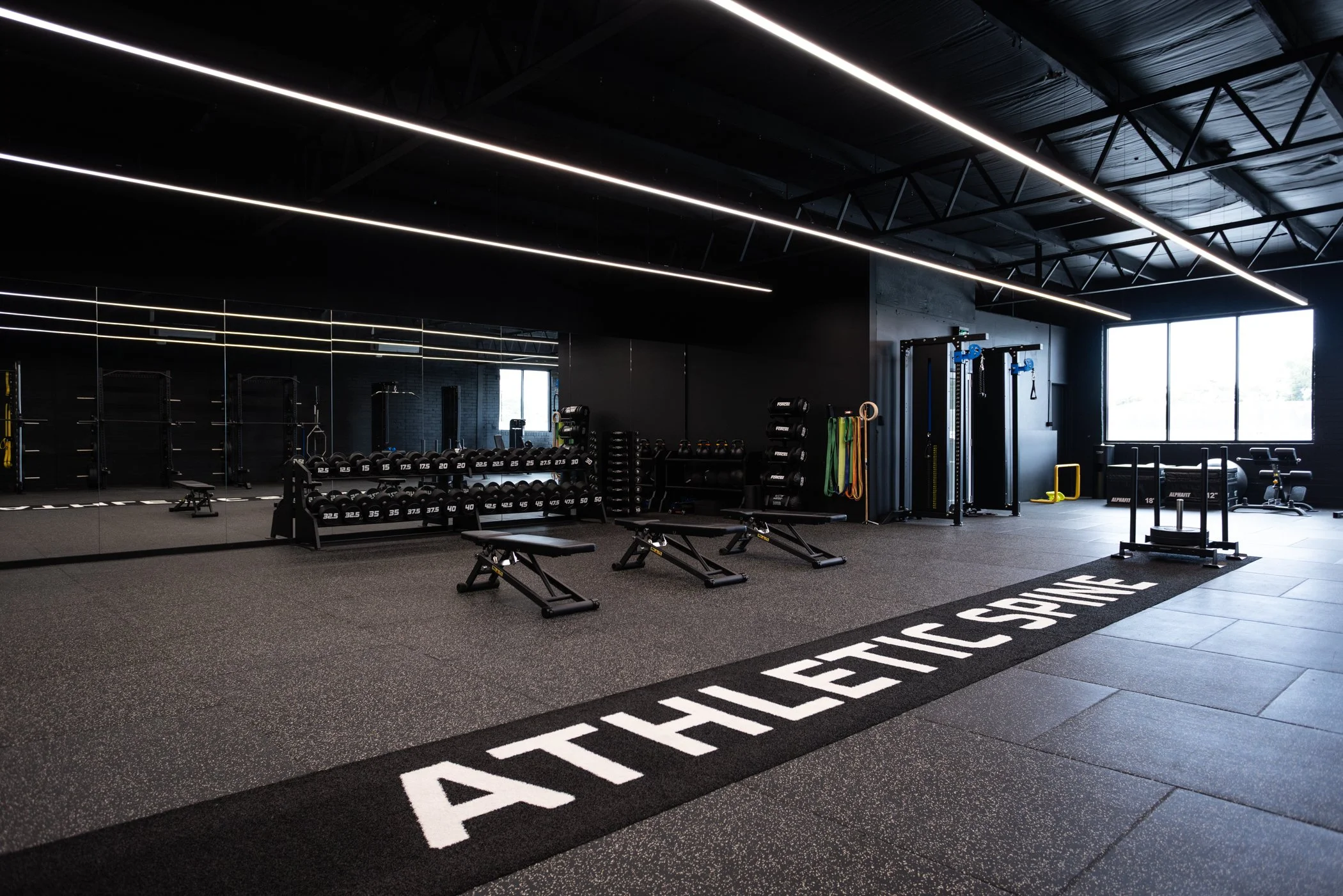
Who We Work With
Athletic Spine works with hockey players of all levels and positions across Melbourne, from junior and school-age players developing their game, to senior and premier grade players managing recurring spinal complaints across a long competition season, to masters players who want to keep playing well into their fifties.
We work with players from clubs across Brunswick, Carlton, Fitzroy, Coburg, and surrounding Melbourne suburbs, as well as players travelling from across Melbourne who want spinal physiotherapy that understands the specific postural and biomechanical demands of field hockey.
Playing position shapes every aspect of the assessment and rehabilitation plan. Whether you're a goalkeeper managing the postural demands of sustained readiness, a defender under sustained defensive pressure, or a forward executing high volumes of drag flick and shooting, the approach is built around what your specific role in the game actually asks of your spine.
Frequently Asked Questions
Why does my lower back always hurt after hockey but feel fine the next day?
This pattern is classic for sustained lumbar flexion and reflects the progressive fatigue of the lumbar stabilising muscles across the duration of a game. Early in the game, the muscular system manages the sustained flexion demand reasonably well. As fatigue accumulates across the second half, the passive structures, discs and facet joints, absorb progressively more of the demand, and post-game pain reflects that accumulated stress. The fact that it resolves overnight suggests the structures are recovering adequately, but the pattern will continue and eventually worsen unless the underlying postural endurance and thoracic mobility are addressed.
Is the drag flick the main cause of lower back injuries in hockey?
The drag flick is a significant contributor to lumbar and sacroiliac stress in hockey players who execute it frequently, but it is rarely the sole cause of recurring lower back pain. In most cases, the sustained lumbar flexion of the playing position has already stressed the posterior spinal structures before the drag flick is even executed. The flick then adds rotational and shear demand on top of an already fatigued and mechanically compromised spine. Addressing only the drag flick mechanics without correcting the postural pattern of the rest of the game produces incomplete results.
Why does my back feel stiff for the first hour after a game but then ease up?
This is a facet joint and posterior disc behaviour pattern. Sustained flexion during the game causes fluid shifts and joint surface irritation that presents as stiffness and pain when the spine is first asked to extend after the game. As the joint surfaces warm up, synovial fluid redistributes, and the surrounding musculature relaxes, the stiffness gradually eases. This pattern is informative, it tells you the posterior elements of the lumbar spine are accumulating stress during the game that they aren't fully absorbing, and that pattern will progress if not addressed.
How is spinal physiotherapy for hockey different from treating a standard back injury?
Hockey-related spinal injuries cannot be rehabilitated without accounting for the sustained flexion demand of the playing position. A standard back rehabilitation program built around everyday functional activities, standing, walking, basic lifting, does not prepare a hockey player to maintain a forward trunk lean for sixty minutes or execute a drag flick from a low position under fatigue. Effective spinal physiotherapy for hockey players assesses and rehabilitates the spine in the context of the specific postural and rotational demands of the game, building the endurance and movement quality required for the position, not just the absence of pain in everyday life.
Ready to Get Back to Hockey?
Lower back pain that follows the same pattern every season isn't an inevitable part of playing hockey. Whether you're dealing with a new complaint that appeared after a heavy training block, a chronic ache that builds across every game, or a recurring injury that keeps disrupting your season, Athletic Spine provides spinal physiotherapy in Brunswick for hockey players across Melbourne.
Book an assessment at Athletic Spine and get a clear picture of what your spine is actually doing during the sustained demands of hockey, and what it takes to get back on the pitch without the same problem coming back.
For Details on available services and to book a session, click the link below.
The Clinic

Are You A New Patient?
All new patients are invited to book an initial Physiotherapy consultation. The initial consultation includes:
Medical & injury history
Clinical and/or performance related goals established
Full Physiotherapy assessment & diagnosis
Individualised posture, mobility, strength and technique corrections
Modification of daily and/or training movements to reduce re-injury risk
Education to enhance understanding of the injury and reduce relapse risk
Follow up to enhance accountability & support
One hour duration
HICAPS available onsite to process private healthcare & Medicare rebates (where eligible)
Meet The Team

YOMITHA NAVARATNE
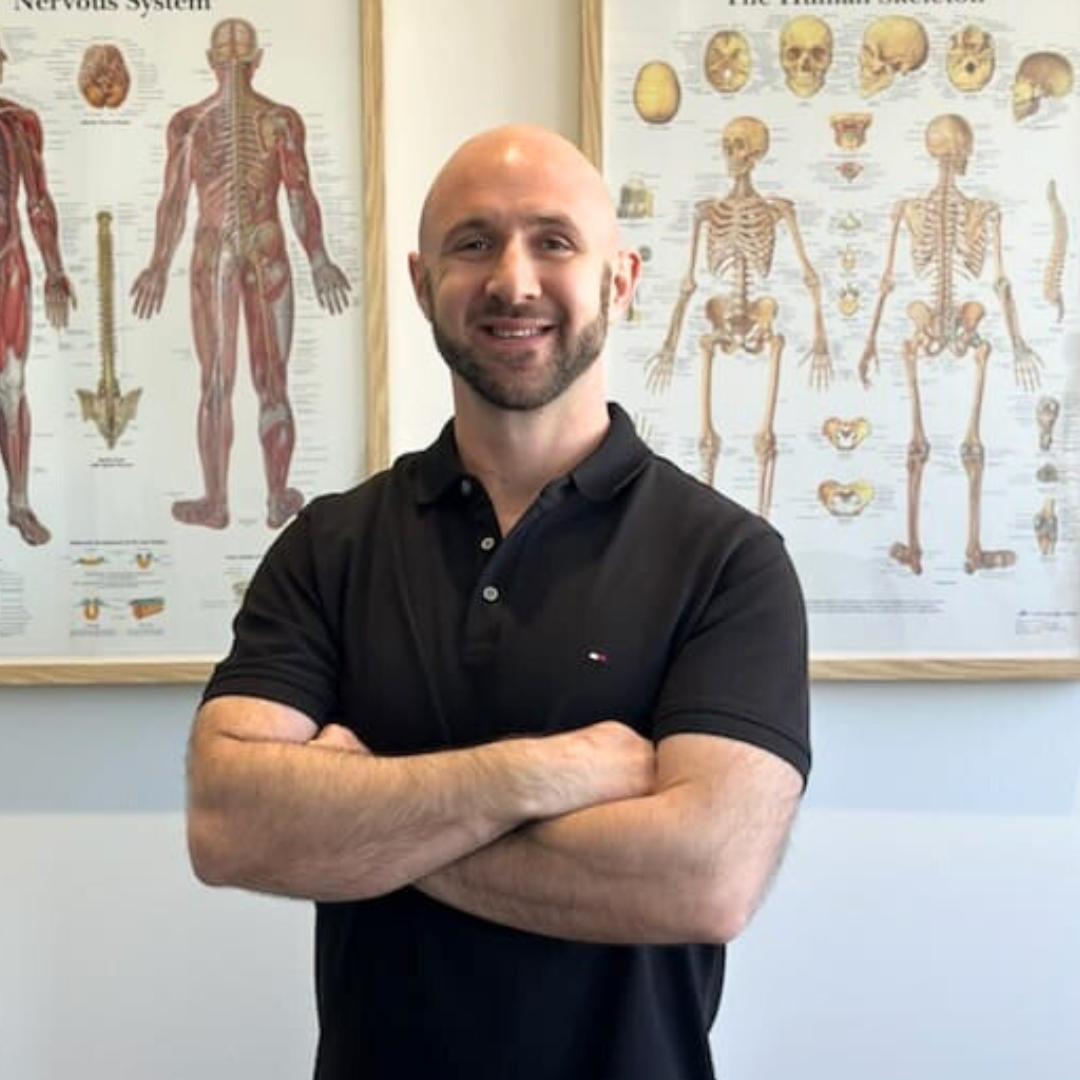
Benjamin Lustig
FounderBHSc M. Physio
M. Sports PhysioRecent Blogs

Location
Athletic Spine is located at 83A Weston Street, Brunswick, Victoria 3056
For Details on available services and to book a session, click the link below.
Contact
We greatly look forward to hearing from you. Please complete the form below to get in touch. Otherwise you can book an appointment online here.