
Sports Physiotherapy for Weightlifting & Crossfit
Have an existing or previous AFL injury?
Need help with injury prevention or optimising performance?
WHO wE’VE wORKED wITH






Your Spine Isn't the Problem With Your Lift, But Your Movement Pattern Might Be
Walk into any CrossFit gym or weightlifting club and you'll find someone managing a back. It might be the coach who's been dealing with a disc issue for two years but keeps training around it. The member who throws their back out every time they go heavy on deadlifts. The competitor who's fine until they hit snatches, and then spends the next three days unable to sit comfortably.
The narrative in these gyms is usually one of two extremes: either the spine is fragile and lifting is dangerous, or pain is just part of training and you push through it. Neither is accurate, and both lead to the same outcome, the same injury cycling on repeat, the same structures getting irritated every time training intensity climbs.
What's actually happening is far more specific than either story suggests. The spine injuries that show up in weightlifting and CrossFit athletes are almost always traceable to a precise mechanical breakdown, a failure in the kinetic chain at a specific point in a specific lift, not a general statement about the danger of barbells or the toughness of the athlete.
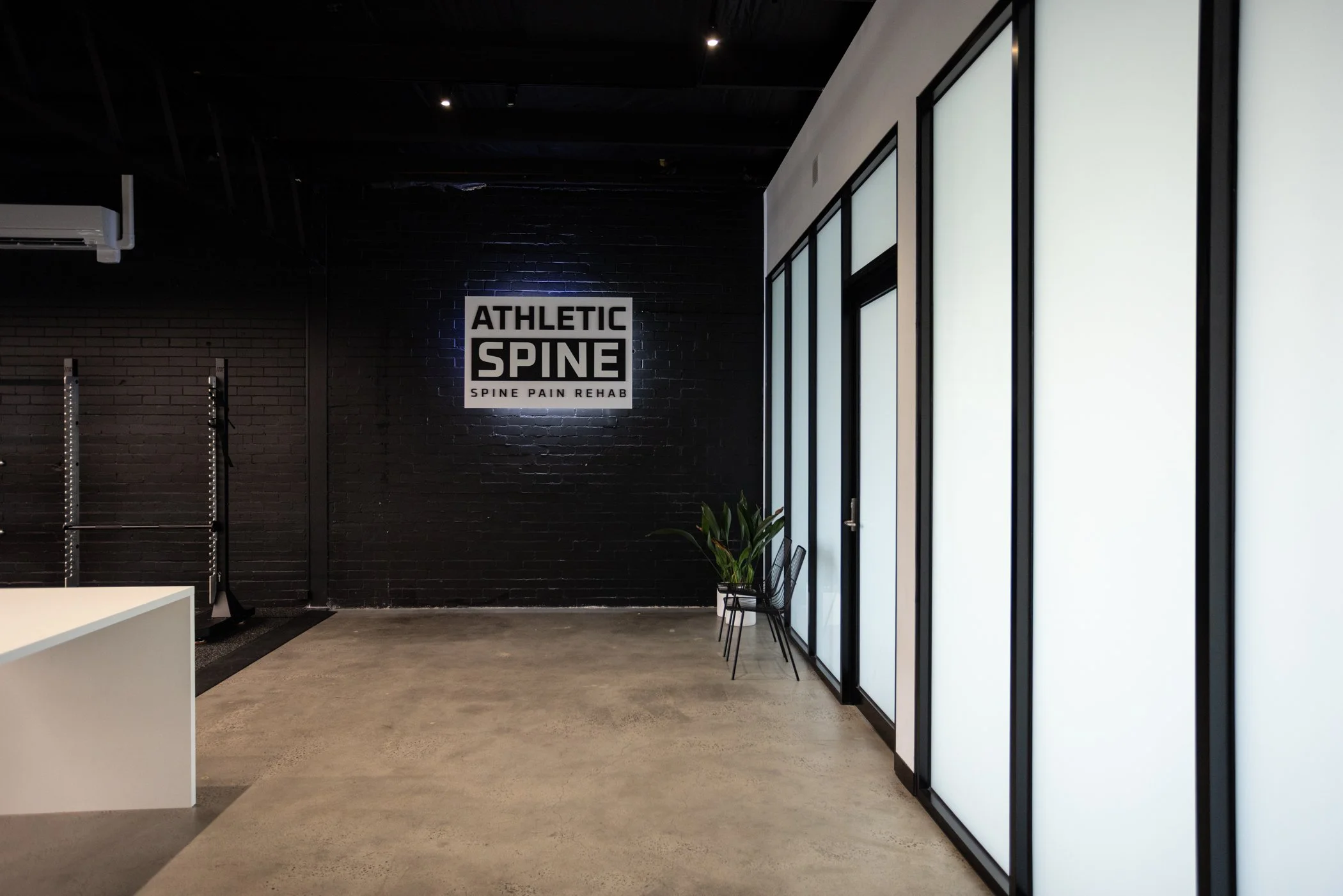
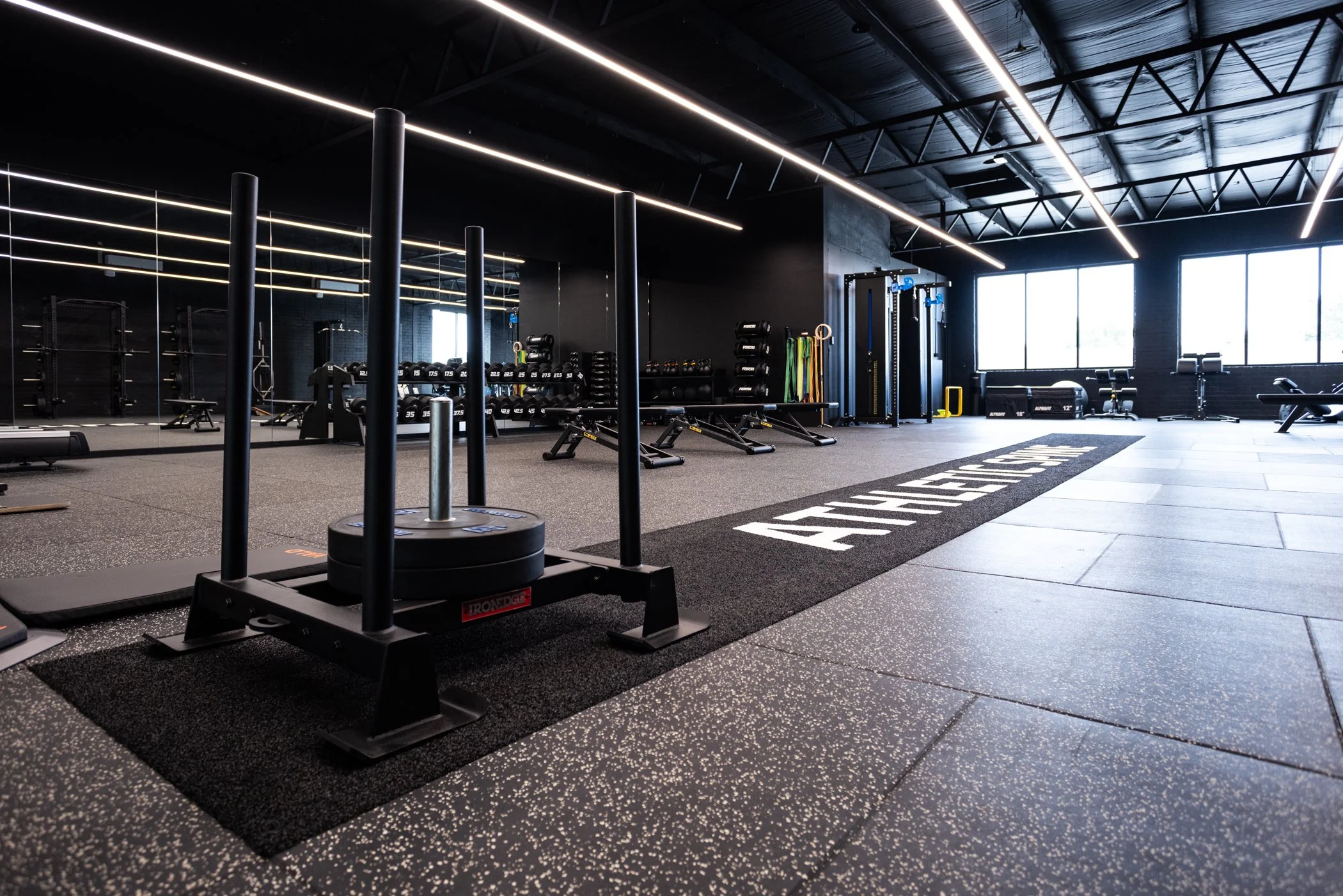
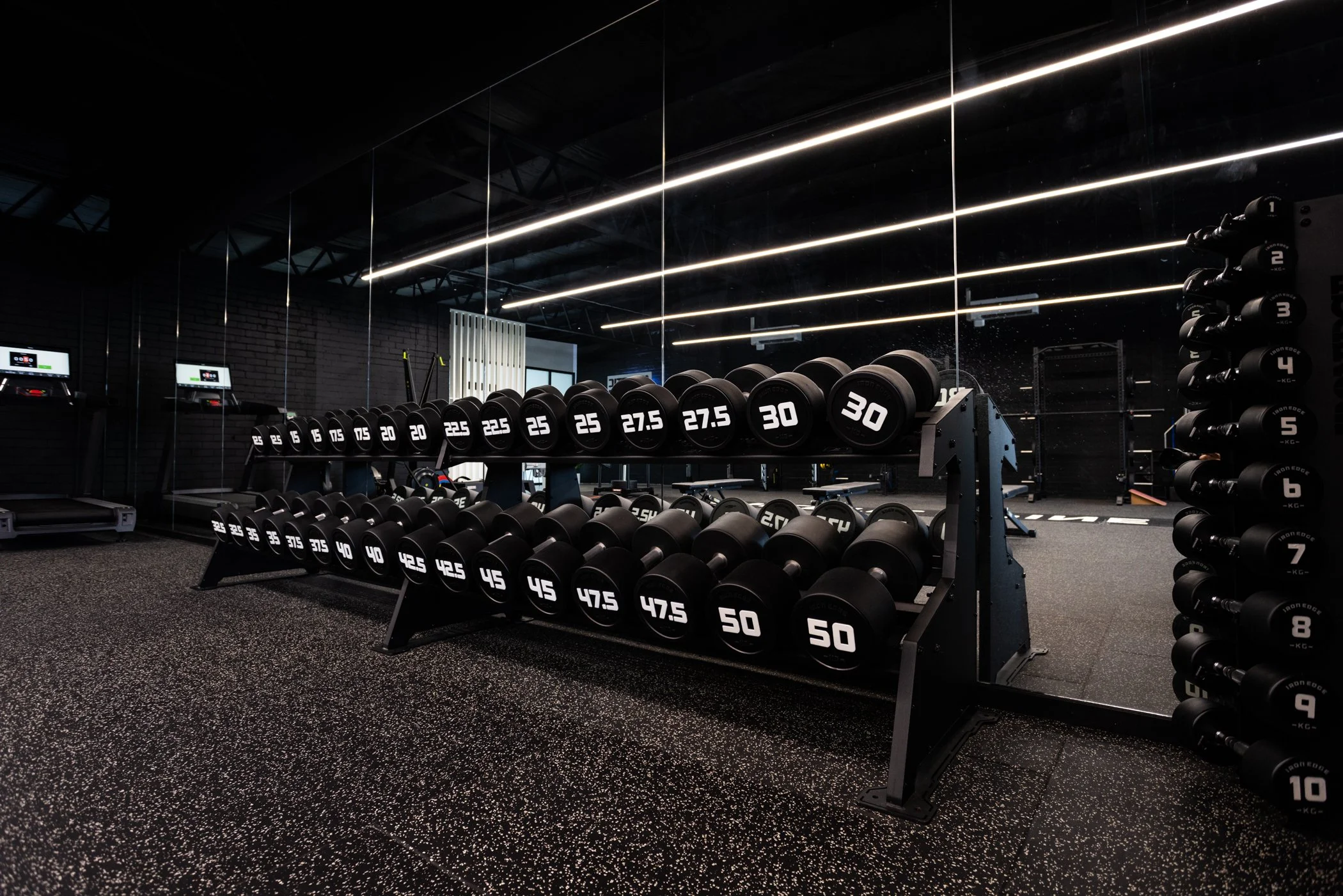
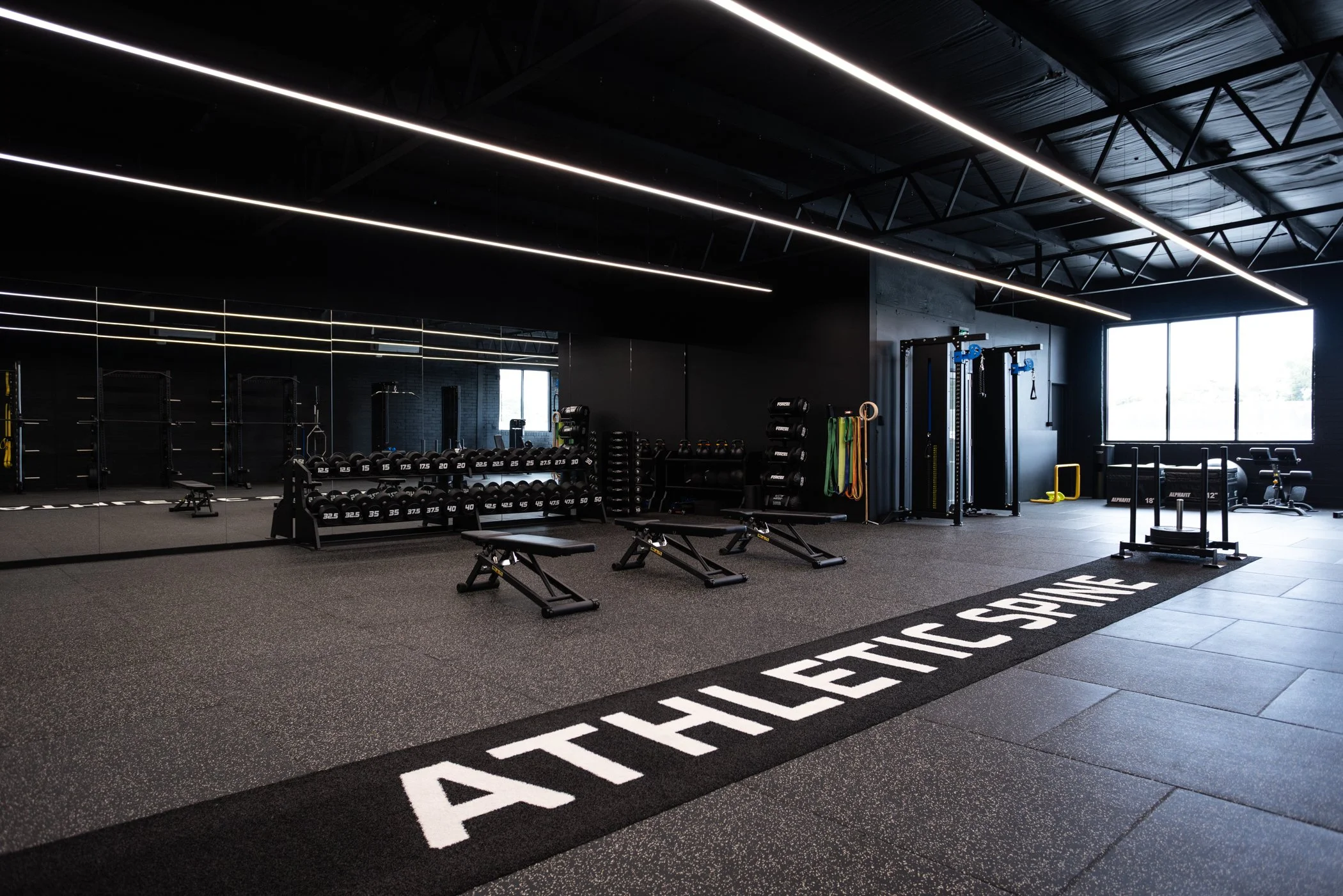
Athletic Spine in Brunswick works with weightlifters and CrossFit athletes across Melbourne, providing spinal physiotherapy that understands the demands of the sport from the inside, not just the symptoms that show up when something goes wrong.
Why Weightlifting and CrossFit Are Uniquely Demanding on the Spine
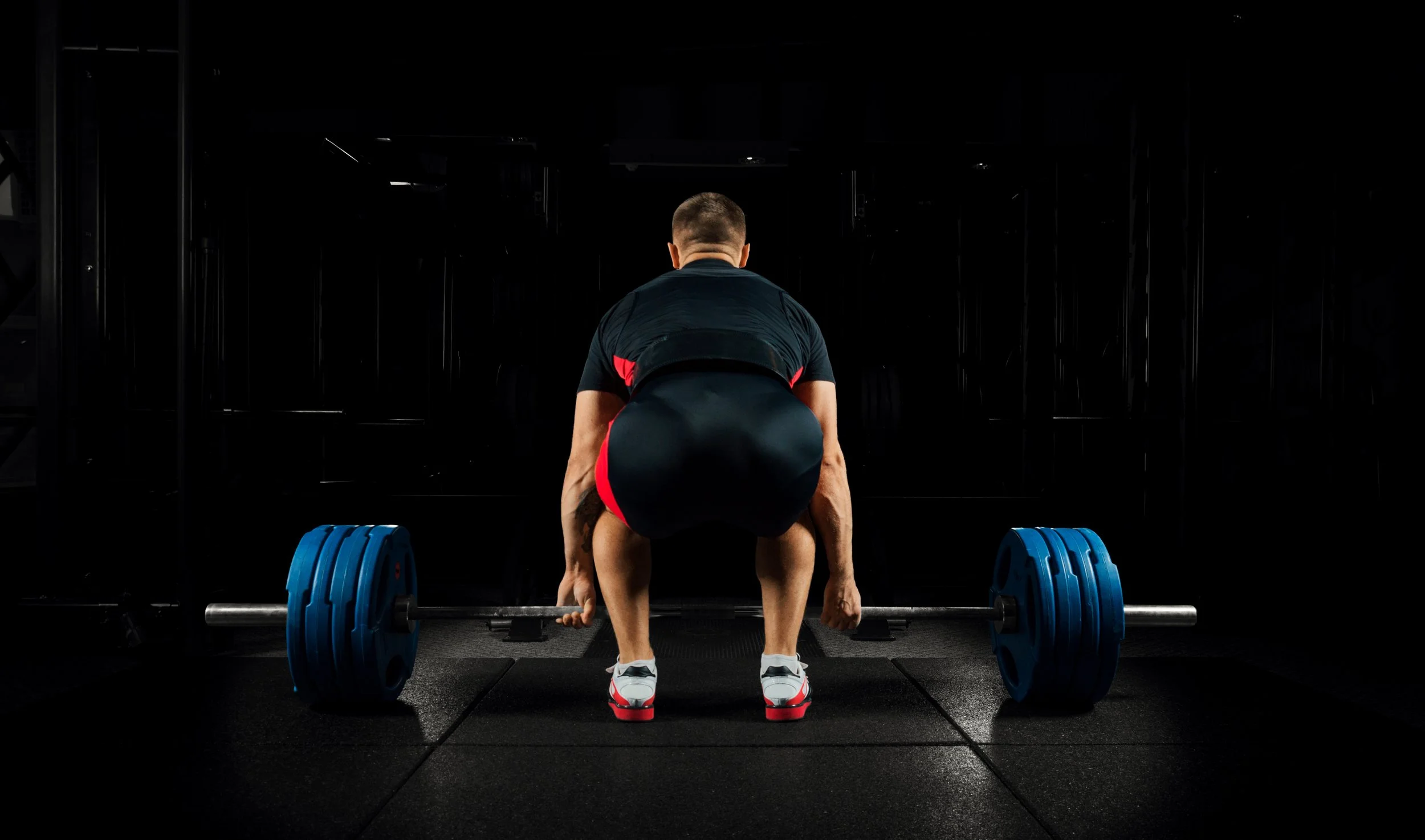
Barbell sport places the spine under axial compression that virtually no other athletic activity replicates. A back squat at bodyweight places compressive forces through the lumbar spine several times greater than standing. A heavy clean and jerk multiplies that further, and does so at speed, with the added demand of catching a loaded barbell in a receiving position that requires the spine to be simultaneously mobile and perfectly braced.
The Olympic lifts are particularly demanding because they require the spine to transition rapidly between positions, from a loaded hip hinge at the floor, through a violently extended pull, into a receiving position that demands either a deep front squat or an overhead position with the thoracic spine in full extension. That transition happens in fractions of a second under maximal loading. The margin for error in spinal position is extremely small.
CrossFit compounds this with volume and fatigue. A metcon that includes deadlifts, kettlebell swings, or wall balls at high repetition doesn't just ask the spine to move through demanding ranges, it asks it to do so repeatedly, under accumulating fatigue, with the neuromuscular precision required to maintain bracing and positioning degrading with every round. The movements that are mechanically clean in the first round are rarely mechanically clean in the last.
The two specific failure points that create the majority of spinal injuries in this population are butt wink in the squat and lumbar flexion under load in the hinge, and both have the same underlying cause.
For Details on available services and to book a session, click the link below.
Most Common Spinal Conditions in Weightlifting and CrossFit
Lumbar Disc Irritation The intervertebral discs of the lumbar spine are highly vulnerable to combined compression and flexion, precisely the loading condition created by butt wink at the bottom of a squat or lumbar rounding in a heavy deadlift. The disc doesn't fail because the lift was too heavy. It fails because the lumbar spine lost its neutral position at the exact moment peak compressive force was being generated. When the posterior chain, glutes, hamstrings, hip external rotators, can't maintain the pelvis in a neutral position through the full range of the squat, the lumbar spine is forced into flexion under compression, and the posterior disc wall takes the brunt of that combination.
Lumbar Facet Joint Pain The facet joints are the small paired joints at the back of each lumbar segment that guide and limit movement. In weightlifting, they are most vulnerable during hyperextension, the aggressive lumbar extension seen at the top of a clean pull, the receiving position of a snatch, or the lockout of a deadlift with poor hip hinge mechanics. When the thoracic spine lacks the extension mobility to contribute to overhead positions, the lumbar spine compensates by going into excessive extension at the facet level, compressing the joint surfaces together with significant force. Facet pain in lifters is characteristically sharp with extension, eases with forward flexion, and is often mistaken for a muscle strain.
Spondylolysis (Pars Stress Reaction) The pars interarticularis, the small bony bridge at the back of the lumbar vertebrae, is placed under repeated shear stress during the extension-rotation demands of Olympic lifting. The snatch in particular combines terminal extension with slight rotation as the lifter locks out overhead and shifts to stabilise a moving barbell. In younger athletes and those with restricted thoracic extension, the lumbar spine is forced to contribute disproportionately to the overhead position, concentrating stress at the pars. This is not a core strength issue, it is a joint mobility and movement sequencing problem that manifests at the most structurally vulnerable point in the lumbar arch.
Thoracic Spine Stiffness and Overhead Restriction Thoracic extension and rotation are prerequisites for every overhead movement in weightlifting and CrossFit, the snatch, the jerk, the overhead squat, the thruster. When the thoracic spine is stiff, the overhead position simply doesn't exist in the form it needs to. Athletes compensate by extending aggressively through the lumbar spine instead, jamming the lower facets and stressing the pars with every rep. A lifter who struggles to maintain an upright torso in the overhead squat or who consistently loses the bar forward in the jerk almost always has a thoracic mobility restriction that is driving both their technical problem and their back pain simultaneously.
Sacroiliac Joint Dysfunction The sacroiliac joint connects the base of the spine to the pelvis and is heavily involved in transferring force from the lower limb into the trunk during every lift. In athletes with asymmetrical hip mobility, common in CrossFit athletes who also run, row, or bike, the two sides of the pelvis move differently under load, creating a shear stress across the sacroiliac joint that accumulates with volume. SI joint pain in lifters presents as a deep, unilateral posterior pelvic ache that is worst getting out of a car or off the floor and often provoked by heavy unilateral movements like lunges, single-arm kettlebell work, and step-ups.
How Athletic Spine Approaches Weightlifting and CrossFit Injuries
Most lifters who come to Athletic Spine have been told to stop squatting, avoid the deadlift, and rest until things settle. Some have been given a generic core program. Very few have had anyone actually look at what's happening mechanically at the specific point in the lift where their spine is failing.
That's where our assessment starts. We look at the actual movements, squat depth and pelvic position, hip hinge pattern under load, thoracic extension in the overhead, bracing strategy through the pull. The goal isn't to judge the technique. It's to identify the precise mechanical breakdown that's concentrating stress in the wrong place, and understand why it's happening.
In most cases, the answer sits above or below the spine. Restricted ankle dorsiflexion drives butt wink. Limited hip external rotation creates compensatory lumbar rotation in the hinge. A stiff thoracic spine forces the lumbar spine to manufacture the overhead position it can't provide. Fixing the spine without addressing these upstream and downstream restrictions produces temporary relief and a recurring injury.
Rehabilitation is built around the lifts themselves. That means modifying the specific movements that are provoking symptoms, adjusting depth, stance, or loading temporarily, while the underlying restrictions are addressed and the bracing and sequencing patterns are retrained. Athletes are returned to their full movement library progressively, with attention to how the spine is positioned and braced at the specific points in each lift where the breakdown was occurring.
The lifters who come through Athletic Spine leave knowing exactly what went wrong, what their movement cues need to be to protect the spine under load, and how to self-manage early warning signs without needing passive treatment every time they go heavy.
Who We Work With
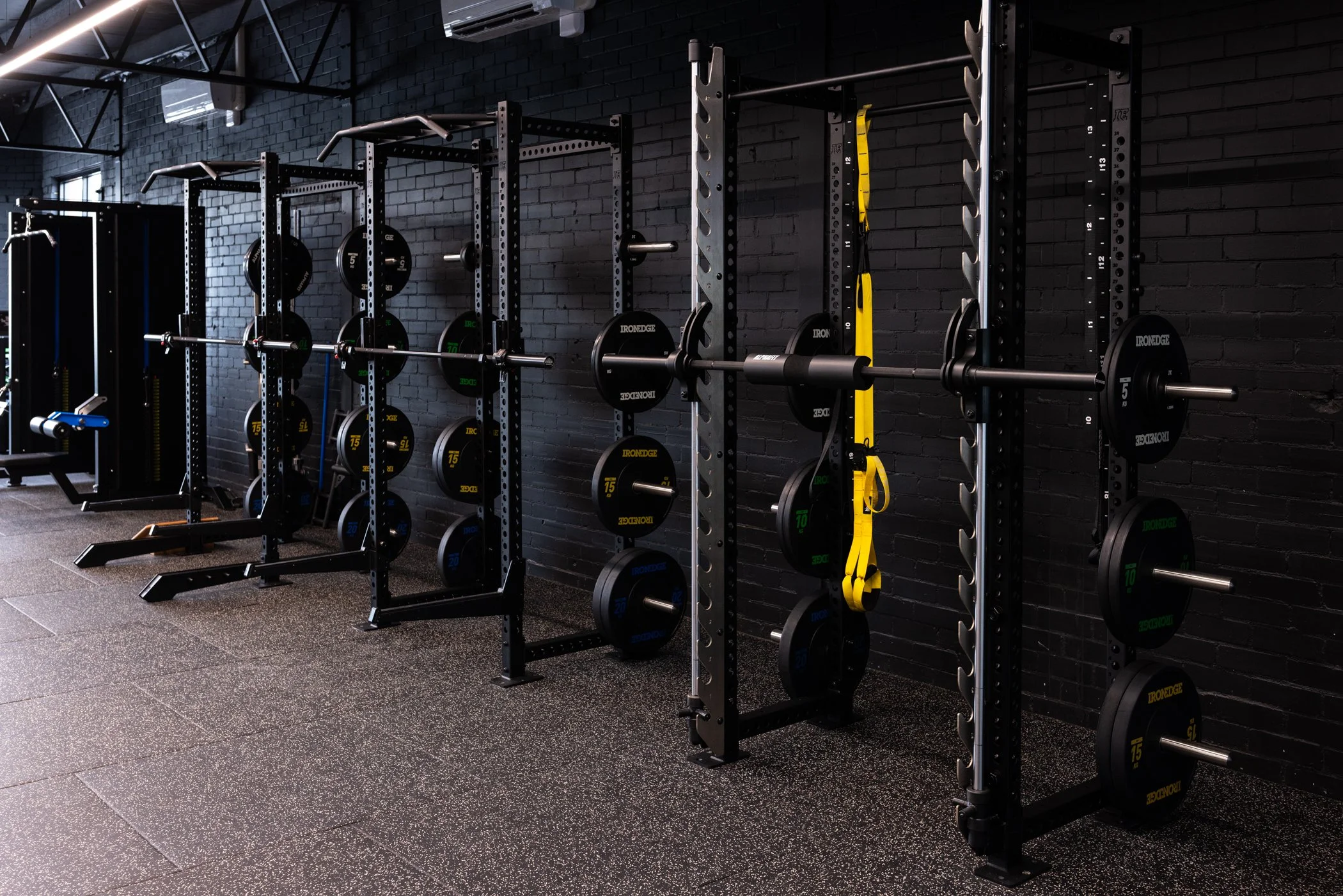
Athletic Spine works with weightlifters and CrossFit athletes across Melbourne, from recreational members dealing with their first episode of back pain, to competitive CrossFit athletes preparing for sanctioned events, to masters lifters managing a history of recurring injuries across years of training.
We understand that telling a CrossFit athlete to stop training is not a management plan. Our approach keeps athletes moving, modifying what needs to be modified in the short term while building toward unrestricted return to the full demands of their program.
We work with athletes from gyms across Brunswick, Fitzroy, Carlton, Coburg, and surrounding suburbs, as well as athletes travelling from across Melbourne who want spinal physiotherapy that actually understands what happens inside a barbell sport.
Frequently Asked Questions
Why does my back hurt at the bottom of my squat but not during other movements?
Pain at the bottom of the squat almost always reflects a loss of lumbar neutral position as the pelvis tucks under, known as butt wink. This creates a combined compression and flexion moment at the lumbar discs and posterior joints at exactly the point of peak force. The cause is usually restricted ankle dorsiflexion or hip external rotation preventing the pelvis from staying neutral through the full depth of the squat. Addressing the restriction upstream removes the compensatory movement pattern at the spine.
Is it safe to keep lifting with back pain?
In most cases, yes, with intelligent modification. Completely stopping lifting removes the stimulus for adaptation and doesn't address the mechanical cause of the injury. What matters is identifying which specific movements and positions are provoking symptoms and modifying those while continuing to train the movements that aren't. A qualified spinal physiotherapist with an understanding of barbell sport can help distinguish between pain that needs to be respected and movement that can be continued safely.
Why does my back feel fine during a workout but hurt the next morning?
This is a classic pattern in CrossFit athletes and reflects fatigue-driven movement breakdown during the later rounds of a metcon. The spine is well-braced and positioned in the early stages of a workout. As fatigue accumulates, bracing consistency degrades, positions shift, and the spine begins absorbing forces in ways it wasn't designed to, but the inflammatory response doesn't peak until several hours later. The workout feels fine; the next morning tells the truth. The solution isn't less training, it's identifying where the movement breakdown is occurring and retraining the bracing patterns to remain consistent under fatigue.
How is spinal physiotherapy for CrossFit different from generic physiotherapy?
Generic physiotherapy for back pain tends to produce generic outcomes for CrossFit athletes because it doesn't account for the specific movement demands of the sport. A rehabilitation program built around walking and light stretching does not prepare an athlete to snatch, clean, or perform high-repetition kettlebell swings. Effective spinal physiotherapy for CrossFit athletes assesses the actual movements involved, identifies the specific mechanical failure point, and builds rehabilitation around progressive return to those exact demands, not a generic functional movement baseline.
Ready to Get Back to the Bar?
Back pain in the gym shouldn't mean choosing between your training and your spine. Whether you're dealing with a new injury, a chronic issue that flares every time you go heavy, or a recurring problem that no one has been able to explain clearly, Athletic Spine provides spinal physiotherapy in Brunswick for weightlifters and CrossFit athletes across Melbourne.
Book an assessment at Athletic Spine and find out exactly what's happening mechanically, and what it takes to get back to lifting without compromise.
For Details on available services and to book a session, click the link below.
The Clinic

Are You A New Patient?
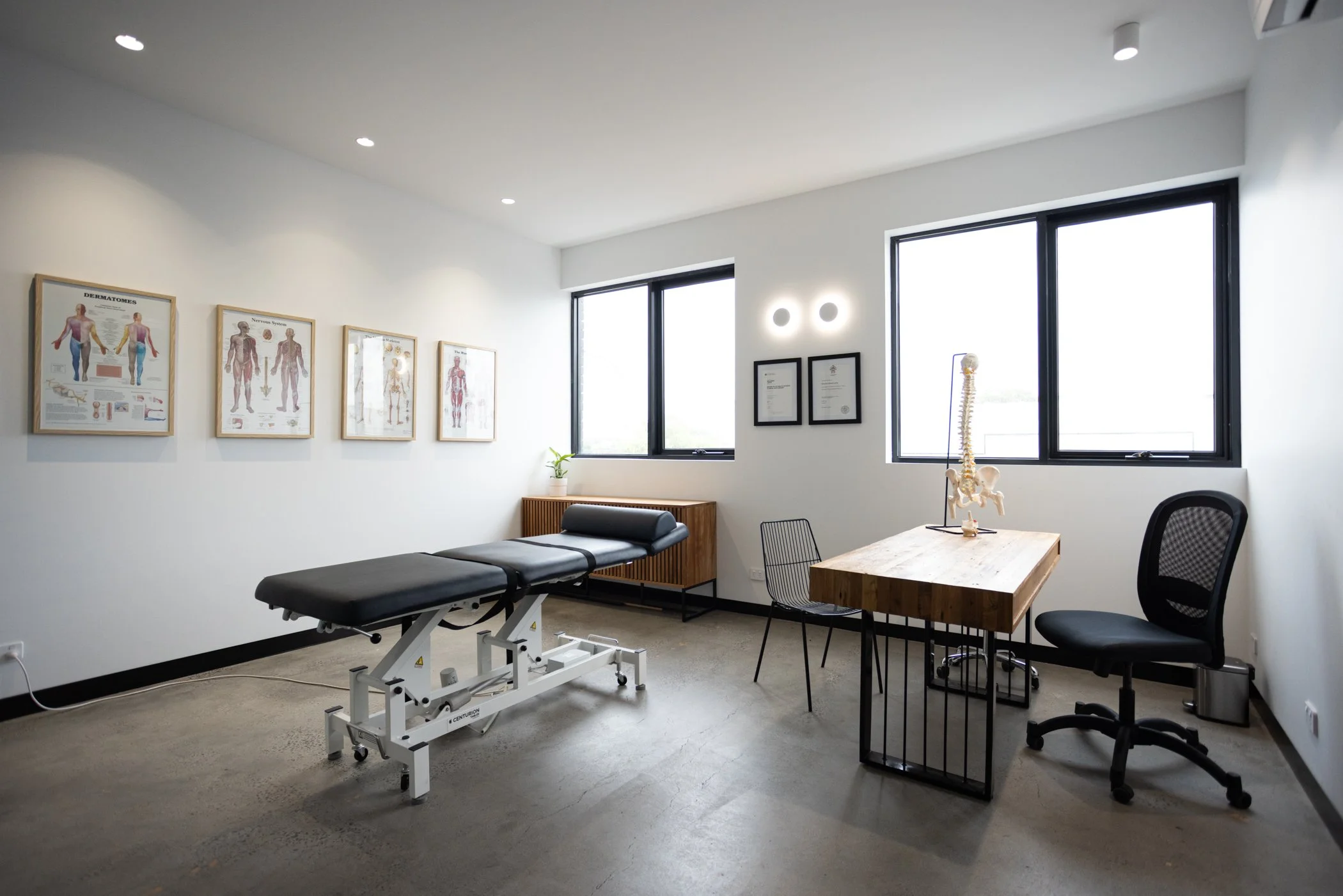
All new patients are invited to book an initial Physiotherapy consultation. The initial consultation includes:
Medical & injury history
Clinical and/or performance related goals established
Full Physiotherapy assessment & diagnosis
Individualised posture, mobility, strength and technique corrections
Modification of daily and/or training movements to reduce re-injury risk
Education to enhance understanding of the injury and reduce relapse risk
Follow up to enhance accountability & support
One hour duration
HICAPS available onsite to process private healthcare & Medicare rebates (where eligible)
Meet The Team

YOMITHA NAVARATNE
Benjamin Lustig
FounderBHSc M. Physio
M. Sports PhysioRecent Blogs



Location
Athletic Spine is located at 83A Weston Street, Brunswick, Victoria 3056
For Details on available services and to book a session, click the link below.
Contact
We greatly look forward to hearing from you. Please complete the form below to get in touch. Otherwise you can book an appointment online here.