
Sports Physiotherapy for AFL
Have an existing or previous AFL injury?
Need help with injury prevention or optimising performance?
WHO wE’VE wORKED wITH







AFL Players Don't Just Get Back Pain, They Get the Same Injury Over and Over
Australian rules football is unlike any other sport on the planet. In a single game, an AFL player will sprint at near-maximum speed, decelerate sharply, jump for a contested mark, absorb a tackle, kick from distance, and do it all again, for four quarters, across a season that runs from February to September. The spinal demands of that workload are extraordinary, and they show up in a very specific pattern of injury that every AFL physio recognises immediately.
The problem isn't that AFL players have fragile spines. The problem is that the game asks the spine to do things that require specific preparation, and most rehabilitation programs don't actually prepare players for those things before sending them back out.
Athletic Spine in Brunswick works with AFL players across Melbourne's inner north, from grassroots juniors to masters-level club players, providing spinal physiotherapy that addresses the real mechanical demands of the game, not just the symptoms that show up on the field.
For Details on available services and to book a session, click the link below.
Most Common Spinal Conditions in AFL
Lumbar Facet Joint Pain The facet joints at the back of the lumbar spine act as the tracks that guide and limit your movement. During the high-speed extension and rotation of kicking or twisting out of a tackle, these joints can become compressed. If a player has a slight pelvic tilt or poor core activation timing, these joints take a direct, unshielded pinch. Facet pain is one of the most commonly misidentified conditions in AFL, frequently misdiagnosed as a glute or hip flexor strain when the true source is a locked or irritated lumbar joint.
Lumbar Disc Irritation Your spinal discs act as shock absorbers between the vertebrae. In AFL, they are subjected to severe rotational twisting combined with sudden downward force, like landing heavily from a contested mark. If the hips or upper back lack mobility, the lumbar discs are forced to twist past their natural structural limits. This mechanical shearing can cause the disc to become inflamed, presenting as a deep lower back ache that increases across a game and can refer pain down into the glute or back of the thigh.
Spondylolysis (Pars Stress Reaction) Particularly prevalent in junior and adolescent AFL players whose bones are still developing, a pars stress reaction occurs at the small bony bridge at the back of the vertebrae. Rather than a simple overload issue, this is an asymmetry problem. If a young player repeatedly kicks on one dominant side without proper thoracic rotation, the lower back is forced to sharply hyperextend and twist in an unbalanced pattern. This repetitive mechanical pinch stresses the bone, making early identification and movement retraining critical to prevent a true stress fracture.
Thoracic Spine Stiffness and Pain The mid and upper back is designed to be the primary engine for rotation when you kick or change direction. When an athlete develops stiffness here, often from daily sitting or chest-heavy gym work, the rotation doesn't just disappear; it gets forced downward. The lower back is forced to compensate and rotate to make up the difference, placing immense structural strain on the lumbar tissues. Upper back stiffness is the ultimate silent contributor to recurring lower back pain in footballers.
Cervical Spine Pain and Stiffness The neck takes a significant amount of hidden force in a contact sport, particularly when bracing for a tackle, hitting the ground, or contesting a mark. If the deep stabilising muscles of the neck and shoulders aren't firing in perfect sequence, the impact forces land directly on the cervical joints. This results in progressive stiffness and a loss of turning range, which limits a player's peripheral vision on the field and leaves the neck vulnerable to further jarring.
How Athletic Spine Approaches AFL Injuries
Most AFL players who come to Athletic Spine have already been through the standard pathway, rest, soft tissue treatment, a generic exercise program, return to play. And many of them are back in the clinic six weeks later with the same problem, because the underlying mechanical issue was never addressed.
Our approach starts with understanding what the game actually asks of your spine, not just where it hurts. Every assessment maps the player's symptoms to the specific AFL demands that are provoking them: is it the kicking action, the landing pattern, the tackling position, or the cumulative demand of a full game under fatigue?
From there, rehabilitation is built around restoring the movement quality the game requires. That means addressing thoracic mobility restrictions that are forcing the lumbar spine to overwork. It means retraining the timing of the deep stabilising system, the muscles that need to switch on a fraction of a second before front-foot contact, so the spine is actively protected during the movements that matter. And it means progressive return to the exact AFL-specific demands that caused the problem in the first place, so the player comes back genuinely ready rather than just pain-free.
The goal is a player who understands their spine, knows their early warning signs, and can manage their own preparation and recovery without needing ongoing passive treatment between every game. That's not just better for the player, it's the only approach that actually sticks across a long season.
Who We Work With
Athletic Spine works with AFL players at every level across Melbourne's inner north, from junior and school-age athletes dealing with their first back complaint, to senior club players managing recurring injuries across a long season, to masters players who want to keep playing well into their forties.
We also work with AFL coaches and support staff who understand that managing their players' spinal health proactively, rather than reactively, keeps more people on the field for longer.
You don't need to be playing at an elite level to deserve a thorough assessment and a rehabilitation plan built around your specific demands. Whether you're lining up for a suburban club or coaching under-14s, your spine deserves the same standard of care.
Frequently Asked Questions
Why do AFL players keep getting the same back injury every season?
Recurring back injuries in AFL players almost always reflect an incomplete rehabilitation from the original episode. Pain resolves faster than the movement quality and structural readiness of the spine, so players return to the game feeling fine but without the neuromuscular control and movement symmetry the game demands. The first game back carries an injury risk significantly higher than any other game in the season, precisely because that readiness gap hasn't been addressed.
What is the most common back injury in AFL?
Lumbar facet joint pain and disc-related injuries are the most frequently seen spinal conditions in AFL players at club level. Spondylolysis, stress reactions or fractures of the pars interarticularis, is particularly common in junior and adolescent players due to the asymmetrical extension and rotation demands of the kicking action combined with a spine that is still skeletally maturing.
How do I know if my back pain is serious enough to stop playing AFL?
Most back pain in AFL players is mechanical and does not require you to stop playing entirely, but it does require assessment to understand what's driving it and how to modify your training intelligently while it's addressed. You should seek prompt assessment if your pain is constant rather than activity-related, if it is radiating into the leg with any tingling or numbness, or if it is worsening rather than fluctuating. These features suggest structural involvement that needs imaging and clinical review before returning to play.
Can spinal physiotherapy help with AFL-related neck pain from tackling and contact?
Yes. Cervical spine pain and stiffness from AFL contact is a common presentation that responds well to targeted physiotherapy. Assessment helps identify whether the pain is coming from the joints, discs, or surrounding musculature, and rehabilitation is built around restoring cervical mobility and stability specific to the contact demands of the game, not just reducing pain in the short term.
Ready to Get Back to AFL?
Back pain shouldn't be the reason your season ends early or your pre-season gets disrupted. Whether you're dealing with a recurring injury, a new complaint that won't settle, or you want to get ahead of a problem before it becomes one, Athletic Spine provides spinal physiotherapy in Brunswick for AFL players across Melbourne's inner north.
Book an assessment at Athletic Spine and get a clear picture of what's driving your symptoms and what it actually takes to get back on the field.
For Details on available services and to book a session, click the link below.
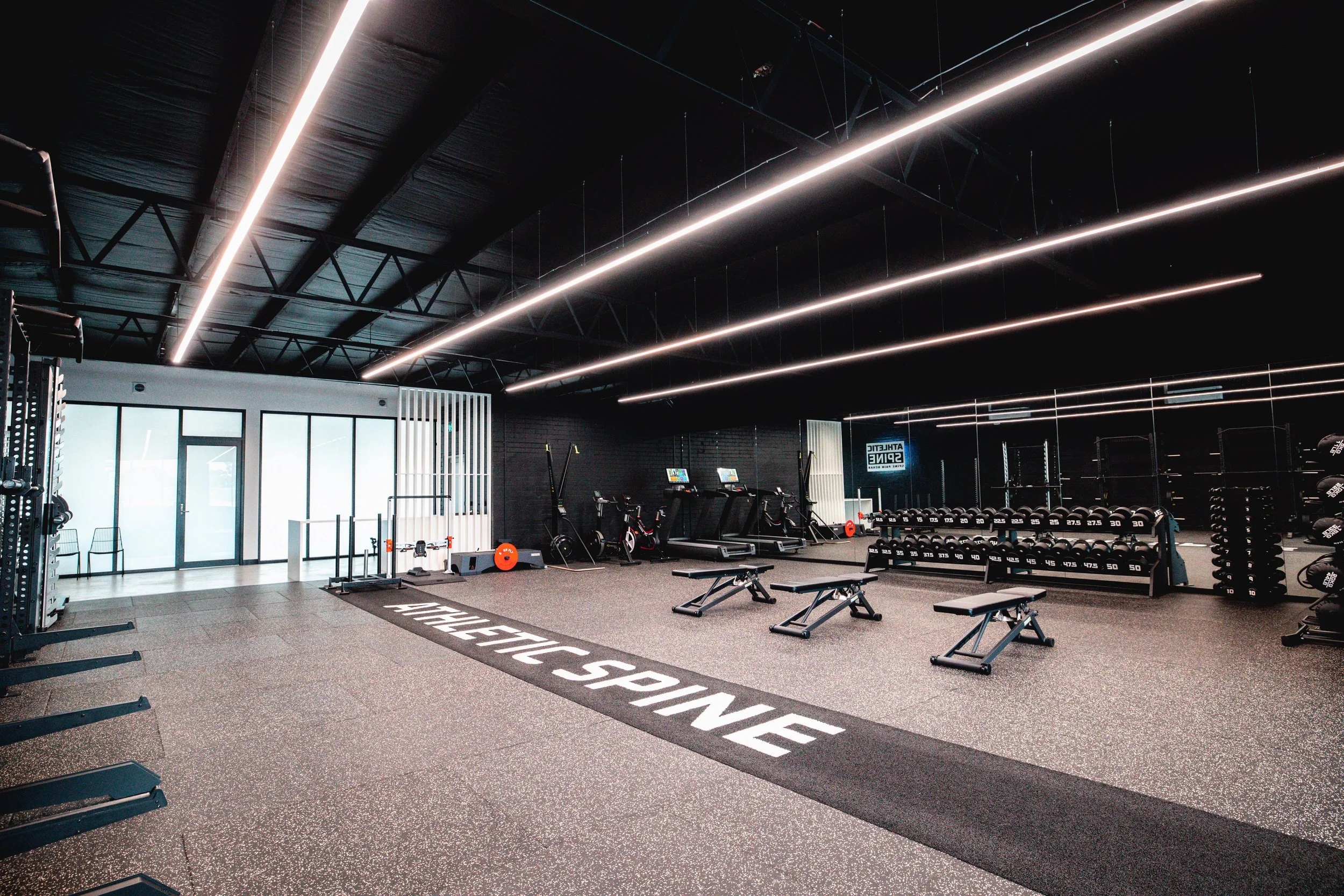
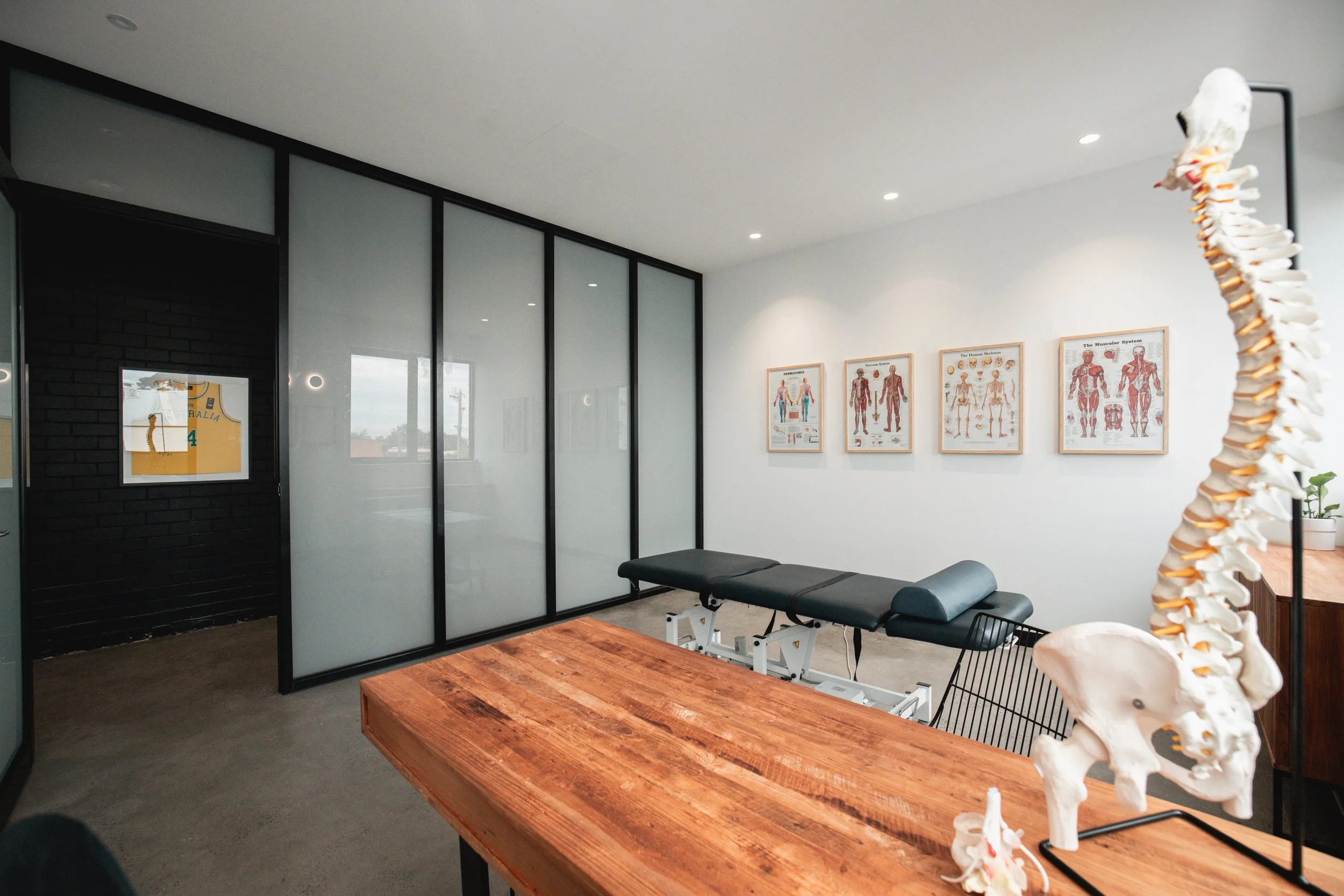
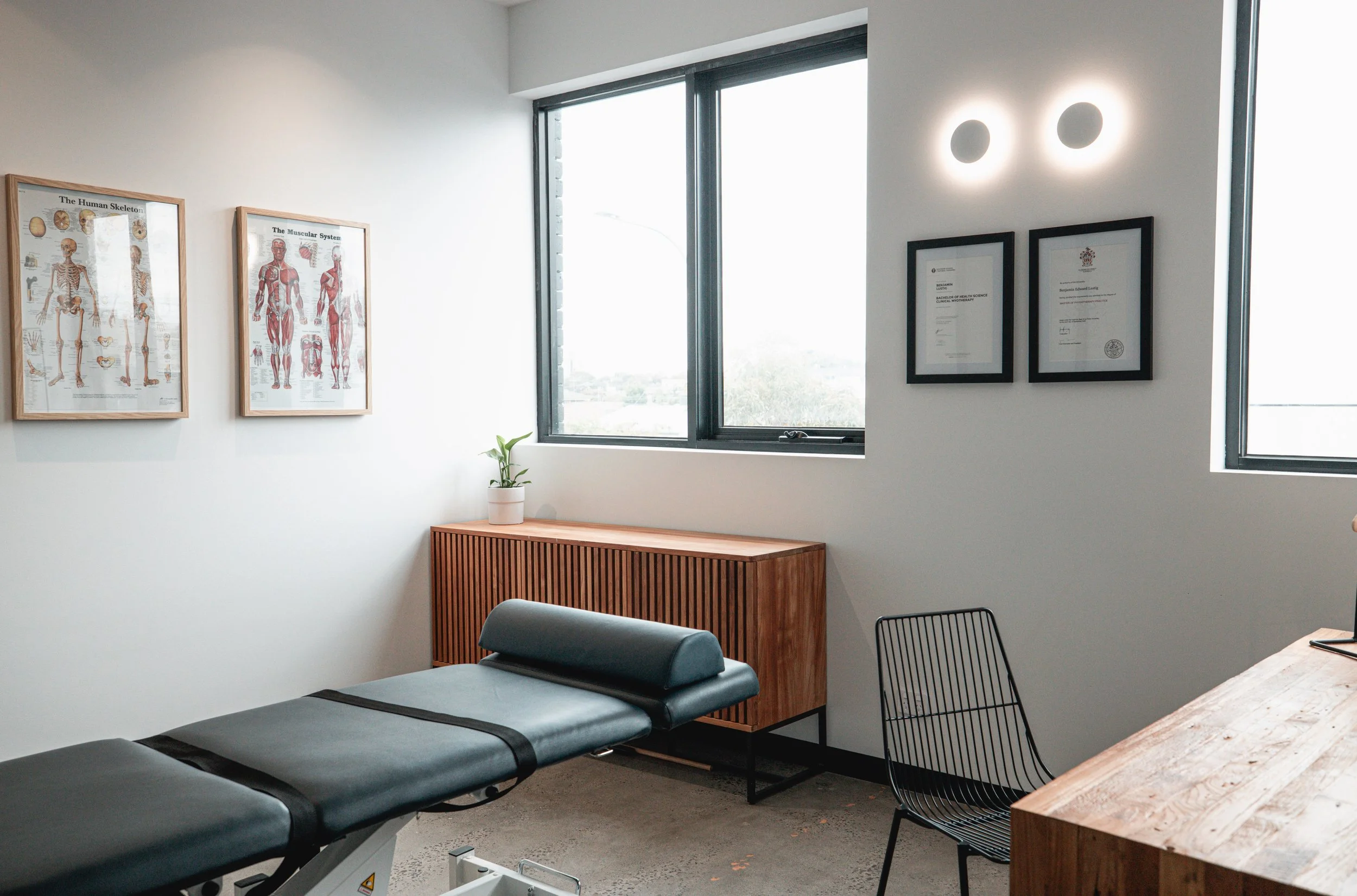
The Clinic

Are You A New Patient?
All new patients are invited to book an initial Physiotherapy consultation. The initial consultation includes:
Medical & injury history
Clinical and/or performance related goals established
Full Physiotherapy assessment & diagnosis
Individualised posture, mobility, strength and technique corrections
Modification of daily and/or training movements to reduce re-injury risk
Education to enhance understanding of the injury and reduce relapse risk
Follow up to enhance accountability & support
One hour duration
HICAPS available onsite to process private healthcare & Medicare rebates (where eligible)
Meet The Team


YOMITHA NAVARATNE
Benjamin Lustig
FounderBHSc M. Physio
M. Sports PhysioRecent Blogs



Location
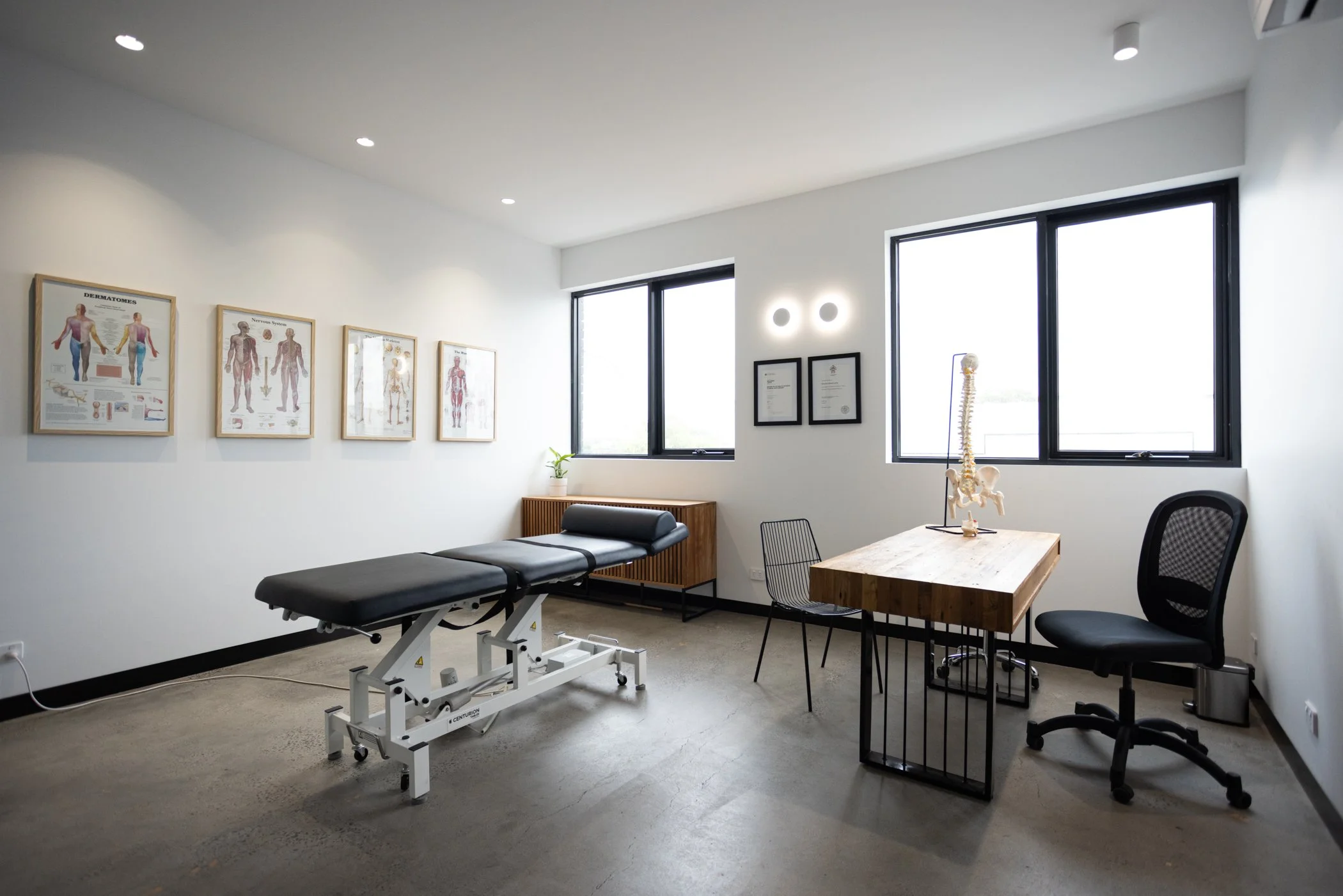
Athletic Spine is located at 83A Weston Street, Brunswick, Victoria 3056
For Details on available services and to book a session, click the link below.
Contact
We greatly look forward to hearing from you. Please complete the form below to get in touch. Otherwise you can book an appointment online here.