

Acute Spine & Back Injury Rehabilitation in Brunswick
Clinical assessment, symptom modulation, and progressive movement restoration following sudden back injuries.
A sudden, acute onset of severe back pain can be alarming. Whether your spine locked up during a lift, reacted sharply after a sudden twist, or developed intense spasms following impact, the early management choices you make dictate how quickly you recover full function.
When an acute spine injury occurs, the surrounding trunk musculature often reacts with involuntary protective guarding. At Athletic Spine, we look beyond treating muscle spasms in isolation. Our clinical assessment evaluates how your spinal segments, pelvis, and surrounding soft tissues are managing movement under acute stress, establishing a clear pathway out of protective muscle guarding and back into confident movement.
The goal of acute spine rehabilitation is not total bed rest or waiting passively for inflammation to clear. Instead, we use targeted movement strategies, sensible activity modifications, and progressive restoration of spinal function to restore movement options without aggravating sensitized tissues.
Whether you are dealing with an acute disc episode, severe facet joint irritation, or a sudden lumbar strain, our structured clinical assessment helps identify the relevant factors and guides your immediate recovery steps.
WHO wE’VE wORKED wITH









Understanding Acute Spinal Injuries
Acute spinal pain often presents as sharp, localized discomfort or sudden protective muscle spasms that severely restrict bending, twisting, or sitting. Understanding the mechanics of an acute presentation helps replace anxiety with a practical recovery strategy.
Acute Disc Episodes & Nerve Irritation
Sudden flexed or rotational forces under tension can strain disc tissue, leading to localized inflammation or nerve root sensitivity. This often presents as severe lower back stiffness or sharp discomfort radiating down into the glute, thigh, or lower leg. Learn more about structural recovery in our detailed guide on whether a herniated disc can heal naturally.
Identifying which directional movements settle nerve irritation allows us to quieten acute symptoms early while maintaining basic daily mobility.
Facet Joint Lock & Segmental Irritation
Sudden arching or twisting movements can strain the small facet joints along the posterior spine. When a facet joint is irritated, the surrounding local muscles contract forcefully to immobilize the area, making simple actions like turning your head or standing up straight feel almost impossible.
Restoring gentle segmental glide through directed movement helps release protective muscle guarding without provoking joint sensitivity.
Acute Trunk & Lumbar Muscle Spasms
Protective muscle guarding is your body’s automatic reflex to shield vulnerable spinal structures. While intense spasms can feel alarming, they represent a functional safety response rather than structural collapse. Our role is to identify the primary trigger, restore joint confidence, and safely ease protective guarding.
Our Acute Injury Management Approach
Effective acute care balances early symptom relief with progressive movement exposure. We anchor acute management in four core principles:
- Building Mechanical Resilience: We view acute pain as temporary movement sensitivity rather than permanent structural fragility.
- Progressive Loading Over Extended Rest: Prolonged bed rest deconditions supporting muscles and prolongs recovery. We introduce tolerable, progressive movement as early as clinically appropriate.
- Restoring Daily Function Over Chasing Pain Scores: Our focus is restoring your ability to sit, walk, stand, and move comfortably rather than relying exclusively on passive pain relief.
- Fostering Patient Independence: We equip you with clear self-management tools, active movement strategies, and educational insights so you retain full control over your recovery process.
Components of the Acute Injury Assessment
Your initial acute assessment is designed to establish a precise mechanical diagnosis while keeping you as comfortable as possible.
Immediate Symptom Profiling & Safety Screening
Your clinician will review the mechanism of injury, symptom behavior, and medical history. We conduct detailed neurological and safety checks to rule out underlying structural complications that require medical referral. Review our guide on 5 warning signs your back pain needs assessment to understand key clinical indicators.
Directional Preference & Mobility Screening
We systematically test gentle spinal movements to find your directional preference, the specific movements that reduce symptom intensity or centralize radiating discomfort. Finding these movement directions provides immediate relief strategies you can use at home.
Functional Movement & Guarding Analysis
We observe how your pelvis, mid-back, and hips move together when performing basic daily tasks like sitting down, standing up, or stepping onto an examination table. This highlights structural compensation patterns and helps uncouple fear from movement.
Individualised Early Recovery Planning
Based on your assessment findings, your clinician formulates an immediate action plan detailing safe movement directions, posture modifications, short-term activity adjustments, and home exercises targeted to your specific presentation.
From Acute Relief to Long-Term Rehabilitation
Calming down acute pain is only the first step. To ensure a full recovery and prevent recurring episodes, rehabilitation must seamlessly transition from early protection to progressive strengthening. Learn more about our complete framework in why MRI findings don't tell the whole story.
1. Quell Protective Guarding & Restore Baseline Movement
Initial consultations focus on reducing muscle guarding, calming inflamed tissues, and restoring simple everyday movements. Exercises are tailored to your comfortable range, allowing irritated structures to settle while keeping adjacent joints active.
2. Rebuild Segmental Control & Trunk Integration
As acute sensitivity subsides, rehabilitation shifts toward rebuilding deep trunk control and improving how your spine coordinates movement with your hips and pelvis. This restores your body's ability to distribute routine movement stresses evenly across the whole kinetic chain.
3. Progressive Strength & Functional Resumption
Once basic movement is restored, exercises progress to multi-planar movement, resistance training, and functional task simulation. This phase prepares your back for demanding gym workouts, running, or sport-specific movements.
Related Spinal Pathways & Services
Athletic Spine provides targeted clinical care pathways tailored to your specific phase of injury, recovery, or physical performance:
- Spine Injury & Rehabilitation: For ongoing recovery following an acute episode, explore our comprehensive spine injury & rehabilitation service or learn more about our non-surgical spine injury care.
- Chronic & Persistent Injury Rehabilitation: If your back pain has persisted for months or keeps recurring despite previous rest, explore our specialised chronic injury rehabilitation service.
- Post-Spinal Surgical Rehabilitation: Recovering from a recent spinal operation or microdiscectomy? Explore our post-spinal surgical rehabilitation page for procedure-specific pathways.
- Spine-Related Run Screening: Returning to running after an acute lower back strain? Learn how our spine-related run screening evaluates running mechanics and ground reaction forces.
- Spine High Performance Assessment: Ready to transition from acute rehab back to heavy lifting or high-demand sports? Discover our spine high performance assessment.
- Spine Prehab Assessment: Planning an upcoming procedure or preparing for a major increase in training stress? Review our spine prehab assessment service.
- General Musculoskeletal Care: Unsure whether your acute pain originates from your spine, hip, or pelvis? General physiotherapy at Athletic Spine & Injury Rehab Clinic can clarify your diagnosis and guide next steps.
Why Choose Athletic Spine for Acute Back Injury Care
Triage & Clinical Precision
We prioritize diagnosis, which provides the right pathway forward, identifying exact movement sensitivities so your treatment starts effectively on day one.
Evidence-Based Active Recovery
We avoid prolonged bed rest or passive treatments that delay recovery. Our focus is using active, progressive movement to rebuild strength and physical confidence safely.
Clear Patient Education
Understanding what is happening in your back eliminates fear. We explain your clinical findings clearly so you know exactly why your back hurts and what steps to take to resolve it.
Seamless Continuum of Care
Your recovery doesn't stop when acute pain disappears. We guide you from early pain relief through structured conditioning all the way back to high-load exercise or athletic competition. Read Less
Frequently Asked Questions About Acute Back Injuries
Should I go to complete bed rest after a sudden back injury? +
No. Clinical research consistently shows that complete bed rest for more than 24 to 48 hours can delay recovery, increase muscle stiffness, and heighten pain sensitivity. Gentle, comfortable movement combined with sensible activity modification is far more effective for settling acute back symptoms.
Learn what to expect during your initial consultation in our guide on first physiotherapy appointments.
Do I need an immediate MRI or X-ray for an acute back strain? +
In the vast majority of acute back cases, immediate imaging is unnecessary unless specific clinical warning signs (red flags) are present. A thorough clinical examination can identify mechanical issues and guide treatment immediately without waiting for scan results.
How long does an acute back injury take to settle down? +
Most acute back presentations show significant improvement in mobility and pain levels within 2 to 6 weeks when managed with appropriate movement strategies. Full restoration of high-load strength and sporting function typically progresses over 6 to 12 weeks depending on the underlying structures involved.
Meet The Team
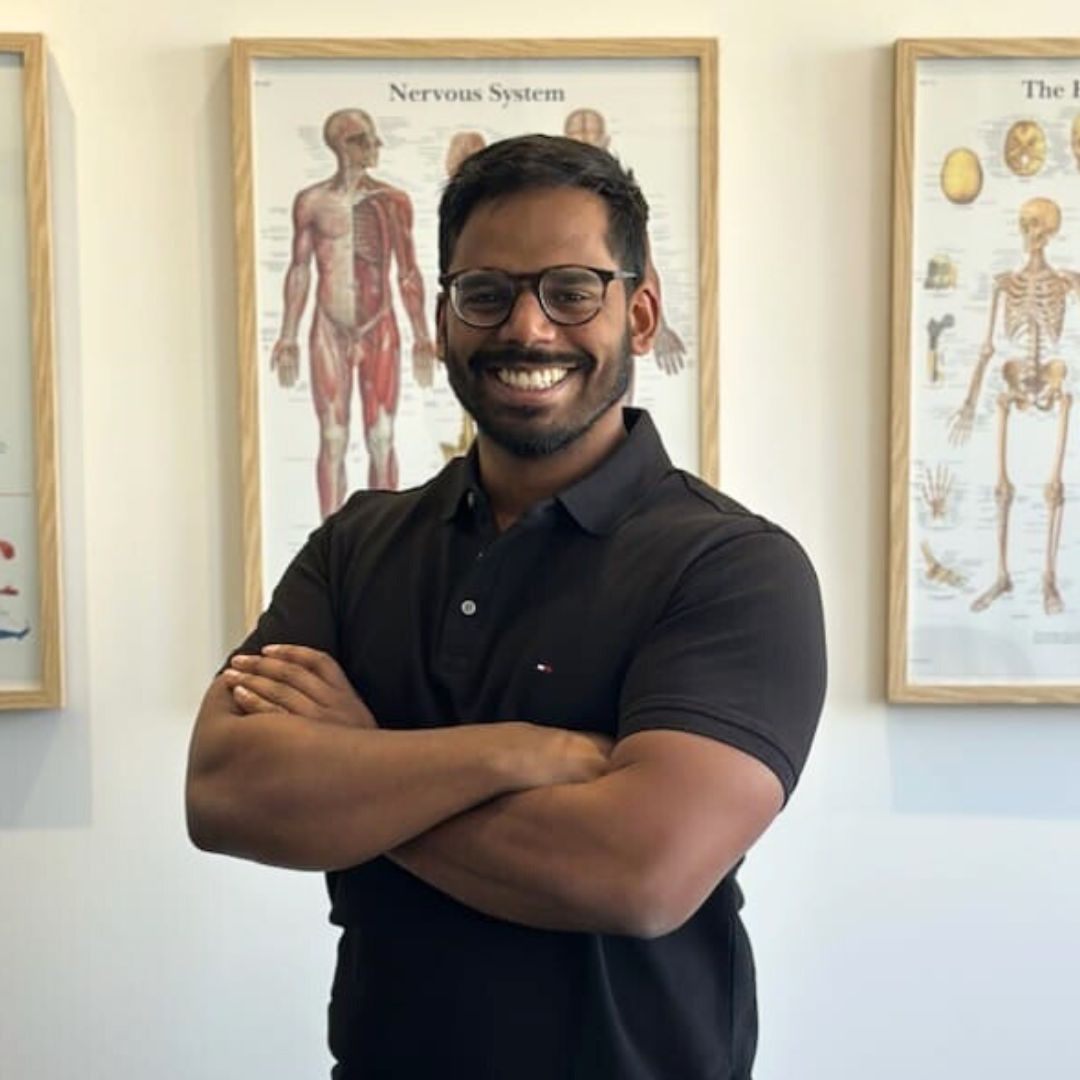
YOMITHA NAVARATNE
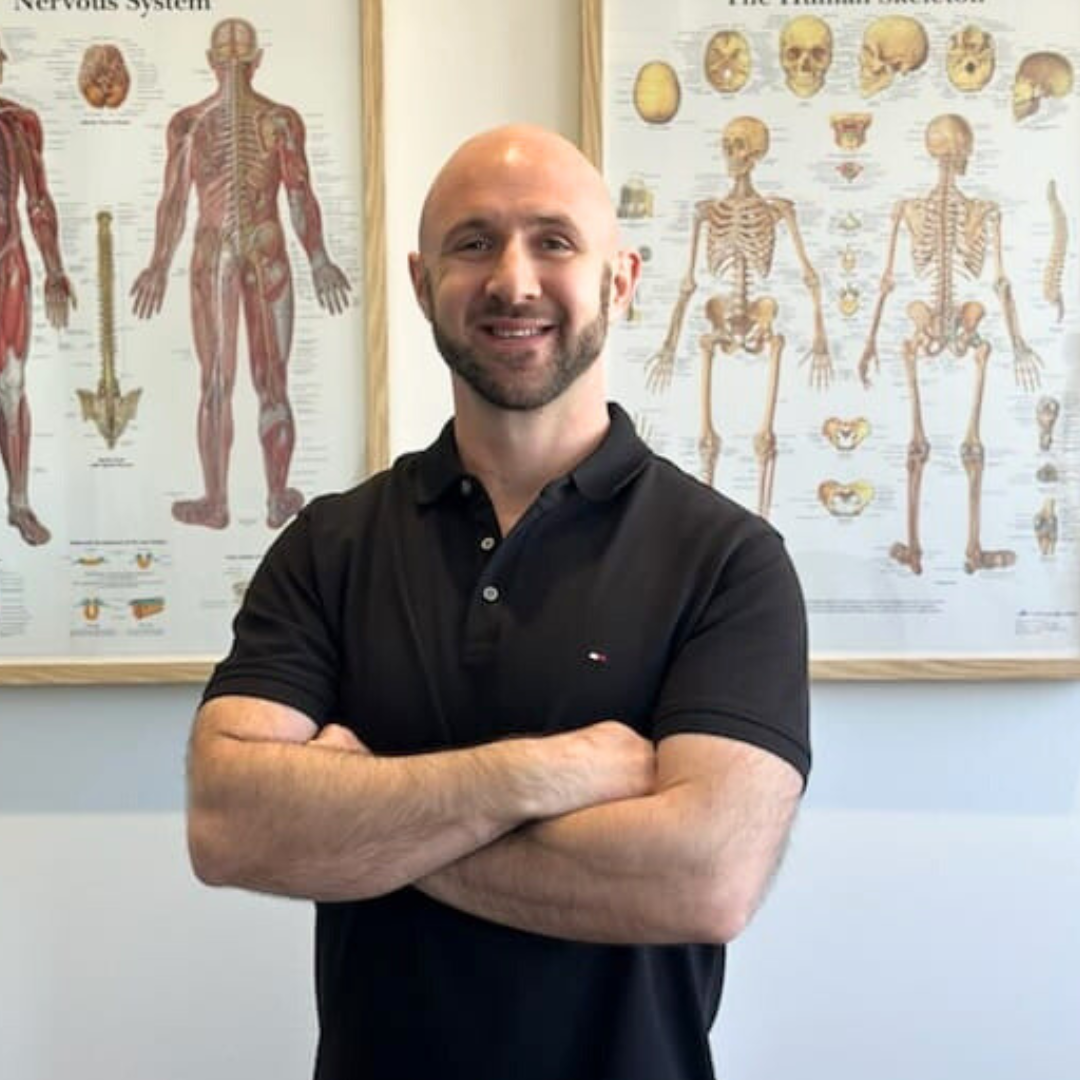
Benjamin Lustig
Founder BHSc M. Physio
M. Sports PhysioContact Us
We greatly look forward to hearing from you. Please complete the form below to get in touch. Otherwise you can book an appointment online Here.
Location
Athletic Spine is located at 83A Weston Street, Brunswick, Victoria 3056