

Post-Spinal Surgical Rehabilitation in Brunswick
Structured, surgeon-aligned rehabilitation to safely restore movement, rebuild strength, and guide your recovery after spine surgery.
Recovering from spinal surgery involves more than allowing time for healing. The right rehabilitation plan can help you gradually restore movement, rebuild physical capacity and prepare for the demands of everyday life.
At Athletic Spine in Brunswick, Melbourne, post-spinal surgical rehabilitation is tailored to your procedure, recovery stage, symptoms and functional goals. Whether you have undergone a discectomy, laminectomy, spinal decompression or spinal fusion, your rehabilitation should respect the healing process and any restrictions provided by your surgical team.
Where appropriate, and with your consent, we work in alignment with your surgeon's recommendations to guide your recovery. Your program progresses according to your clinical presentation, surgical instructions and demonstrated capacity, not an arbitrary timeline.
From early mobility and walking to progressive strengthening and returning to work, the gym or sport, we help you work towards your goals with a clear, individualised rehabilitation pathway.
WHO wE’VE wORKED wITH






Spinal Surgical Procedures We Rehabilitate
Different spinal procedures involve different healing requirements and rehabilitation considerations. Your program is designed around the operation you have undergone, your surgeon's instructions and your progress throughout recovery.
Lumbar & Cervical Discectomy / Microdiscectomy
A discectomy or microdiscectomy removes part of a spinal disc to relieve pressure on nearby nerve structures. Following surgery, some patients experience improvements in radiating pain, while strength, sensation or nerve-related symptoms may take longer to change. Understand expected milestones in our guide to microdiscectomy recovery in Australia.
Post-discectomy rehab in Melbourne may involve gradually restoring comfortable movement, rebuilding trunk and hip strength, improving tolerance for daily activities and progressing towards work or exercise.
Your rehabilitation plan takes account of your surgical approach, symptom response and any restrictions provided by your surgeon. Persistent or changing nerve symptoms are assessed carefully rather than automatically attributed to the normal recovery process.
Laminectomy & Spinal Decompression
Laminectomy and other spinal decompression procedures aim to relieve pressure on spinal nerves or other structures—often addressing underlying causes of radiculopathy. Recovery requirements vary depending on the procedure, the spinal region involved and whether additional surgery was performed.
Post-laminectomy rehabilitation may focus on walking tolerance, movement confidence, trunk and lower-limb strength, balance where relevant, and gradually resuming everyday tasks.
Exercise selection and progression are adapted to your recovery stage and surgical instructions. Where a decompression procedure has been combined with spinal fusion, the rehabilitation plan must also account for the fusion.
Lumbar & Cervical Spinal Fusion (TLIF, PLIF, ALIF)
Spinal fusion procedures, including TLIF, PLIF and ALIF, aim to stabilise a spinal segment by promoting bone fusion between vertebrae. Recovery involves respecting the biological healing process while maintaining appropriate movement and gradually rebuilding physical capacity.
Spinal fusion physiotherapy is guided by your surgeon's protocol, the procedure performed and your individual progress. Early rehabilitation may emphasise walking and appropriate daily movement, followed by a staged introduction of strengthening and more demanding functional tasks when cleared.
Progression to heavier resistance training, repetitive bending or twisting, impact activity and sport requires careful consideration of healing, symptoms and surgical guidance. Strength or movement testing alone cannot confirm that a fusion has fully healed.
Post-Surgical Recurrent Symptoms & Revision Support
Some people experience ongoing or returning pain, stiffness or nerve-related symptoms after spinal surgery. These symptoms can have different causes and should be assessed in the context of your procedure and medical history.
Rehabilitation may help address movement limitations, reduced strength and decreased tolerance for everyday activities once your symptoms and clinical circumstances have been appropriately reviewed.
If symptoms are new, worsening or significantly different from your previous presentation, medical review may be required before progressing exercise. Where revision surgery has occurred or is being considered, rehabilitation should be coordinated with the relevant treating team. Read More
Our Criteria-Based Post-Surgical Pathway
Post-operative recovery is individual. The type of surgery, tissue healing, complications, symptoms and surgeon-specific instructions all influence when particular exercises and activities are appropriate. We detail complete recovery principles in our guide to spine rehab.
At Athletic Spine, we use a staged rehabilitation framework to help organise recovery and guide progression. The phases below are a general framework, not a fixed protocol for every operation. Your treating surgeon's instructions and individual clinical needs take priority.
Phase 1, Early Protection, Mobility & Walking (Often the First 0–6 Weeks)
The early phase focuses on following post-operative instructions, maintaining appropriate movement and gradually resuming essential daily activities.
Depending on your procedure and clearance, rehabilitation may include:
- Understanding and following your surgeon's precautions.
- Gradually increasing walking and general activity as tolerated.
- Finding comfortable ways to perform essential daily tasks.
- Monitoring pain, wound-related concerns and neurological symptoms.
- Receiving guidance on activity modification and the next stages of recovery.
Bending, lifting and twisting restrictions vary between procedures and surgeons. Some patients may be encouraged to move within comfortable limits early, while others require specific precautions.
The first six weeks are not a universal restriction period or a guarantee that a patient will be ready to progress at six weeks. Timing depends on the operation performed, the surgeon's instructions and the patient's recovery.
Phase 2, Core & Trunk Capacity Activation
When appropriate for your procedure and recovery stage, rehabilitation progresses towards restoring movement confidence and rebuilding the capacity of the muscles supporting your trunk and hips—moving beyond basic exercises like standard planks.
Your program may include:
- Gradual introduction of prescribed trunk and hip exercises.
- Progressive movement-control and coordination activities.
- Increasing tolerance for walking, standing and daily tasks.
- Building confidence with functional movements.
- Reviewing your response to exercise and adjusting the program.
The goal is to establish a suitable foundation for more demanding strengthening without exceeding your current recovery requirements.
Phase 3, Progressive Resistance & Objective Strength Testing
Once your recovery and surgical guidance permit, rehabilitation can progress towards more challenging strengthening exercises and functional loading.
This phase may involve:
- Gradually increasing resistance and exercise complexity.
- Developing trunk, hip and lower-limb strength.
- Improving tolerance for lifting and other relevant tasks.
- Using suitable objective strength or movement assessments.
- Monitoring progress against your functional goals.
Forceplate testing or other capacity measures may be considered when clinically appropriate and when your recovery stage allows. Testing is selected according to your procedure and goals; it is not automatically appropriate for every post-operative patient.
Phase 4, Functional Reloading & Return to Work, Gym or Sport
The final phase focuses on preparing for the physical demands of your lifestyle, occupation or chosen sport—whether preparing for high-demand work or returning to running safely.
Depending on your goals and surgical clearance, rehabilitation may include:
- Gradually reintroducing work-specific tasks and lifting demands.
- Progressing gym exercises and resistance training.
- Building tolerance for repetitive or higher-load activities.
- Introducing running, impact or sport-specific drills when appropriate.
- Reviewing functional capacity and planning ongoing strength development.
Return-to-activity decisions consider your procedure, healing, symptoms, clinical findings and the demands of the activity. Higher-load exercise and sport may require specific clearance from your surgeon.
The aim is to support a considered transition from post-operative recovery to sustainable physical activity.
Surgeon Collaboration & Objective Capacity Testing
Post-operative rehabilitation must complement the surgical plan. Understanding the procedure performed, any complications and the surgeon's restrictions helps ensure that rehabilitation is appropriate for your stage of recovery.
Rehabilitation Aligned With Your Surgical Protocol
Your rehabilitation plan takes account of relevant post-operative instructions, including restrictions relating to bending, lifting, twisting, impact or resistance training.
These precautions are not identical for every procedure. Your program is adjusted to your surgeon's guidance rather than applying a generic post-operative protocol to all patients.
Where appropriate and with your consent, communication with your orthopaedic surgeon or neurosurgeon can help clarify restrictions, review progress and support decisions about progressing activity.
Objective Strength & Forceplate Assessment
When appropriate, objective testing can provide additional information about physical capacity during later stages of rehabilitation.
Depending on your needs and clearance, assessments may include:
- Relevant trunk, hip or lower-limb strength measures.
- Forceplate measurements during suitable tasks.
- Functional movement and loading assessments.
- Reassessment of specific physical goals over time.
Testing is introduced only when suitable for your procedure and recovery stage. Results are interpreted alongside your symptoms, clinical examination and surgical guidance, not as a stand-alone measure of tissue healing or surgical success.
Clear Progress Documentation
Your recovery involves a series of decisions about what to maintain, what to progress and when to introduce new demands. Tracking relevant changes can help make those decisions more transparent.
Depending on your rehabilitation plan, progress reviews may consider your symptoms, walking and activity tolerance, strength, functional performance and readiness for specific tasks.
Where useful and with your consent, relevant progress information can be shared with your treating medical team to support continuity of care.
Related Spinal Services & Pathways
Explore our other services to find the care pathway most relevant to your condition, stage of recovery or rehabilitation goals:
- Spine Injury & Rehabilitation: Not all spinal rehabilitation follows surgery. If you're recovering from an acute back injury, disc flare-up or other spinal presentation managed without an operation, explore our non-surgical spine injury service.
- Specific Spinal Conditions & Diagnoses: Have you received an MRI report or been diagnosed with a particular spinal condition? Explore our resources on herniated discs or understanding MRI findings for clearer insights into your diagnosis.
- General Musculoskeletal Care: For joint pain, muscle injuries, tendon conditions and other movement-related concerns, learn more about our general physiotherapy service at Athletic Spine & Injury Rehab Clinic in Brunswick.
Why Choose Athletic Spine for Post-Surgical Rehabilitation
Post-operative rehabilitation should reflect the surgery performed, the healing process and the physical demands you ultimately want to resume. Athletic Spine takes a structured, individualised approach to helping you rebuild capacity after spinal surgery.
Alignment With Your Surgical Team
Your surgeon's instructions and relevant post-operative precautions inform your rehabilitation plan. Where appropriate, communication with your treating team helps clarify requirements and guide progression.
Criteria-Based Progression
Rehabilitation progresses according to your recovery, clinical presentation and functional capacity rather than relying solely on the number of weeks since surgery. This helps tailor the program to your circumstances and goals.
Objective Testing When Appropriate
Strength assessments, movement screening and forceplate measurements may provide useful information at suitable stages of recovery. Testing is selected according to your procedure, clearance and rehabilitation needs.
Individualised Loading for Everyday Life
Your goals may involve returning to work (such as fire & rescue personnel or police officers), lifting comfortably, resuming gym training or participating in sport. Rehabilitation is designed around the activities you need to perform, with physical demands increased progressively as appropriate. Read Less
Frequently Asked Questions About Post-Spinal Surgery Rehab
When should I start physiotherapy after spinal surgery? +
The appropriate time to begin physiotherapy depends on your operation, recovery, medical circumstances and surgeon's instructions, however most are after 6 weeks. Some patients are encouraged to begin walking and appropriate movement soon after surgery, while specific strengthening exercises need to wait until later in recovery.
Your surgical team may provide a post-operative plan or recommend when to commence outpatient rehabilitation. Your physiotherapist can then tailor your program to the procedure performed, any restrictions and your current abilities. Learn more about what to expect during your first appointment.
Do not begin or progress exercises against your surgeon's instructions. If you develop new or worsening symptoms after surgery, seek appropriate medical advice before continuing rehabilitation.
Do I need a referral from my surgeon or GP to start post-op rehab? +
Referral requirements depend on your circumstances, the service you are accessing and any applicable funding or insurance arrangements. A referral may not be necessary for a private physiotherapy appointment, but your surgeon's post-operative instructions and relevant medical information are important for safe rehabilitation.
If you have undergone recent spinal surgery, bring your discharge information and any rehabilitation protocol or restrictions provided by your surgical team. If these are unavailable or unclear, your physiotherapist may recommend contacting your surgeon before progressing particular activities.
Is it normal to still experience some nerve discomfort after spine surgery? +
Some people continue to experience nerve-related discomfort, altered sensation or weakness after spinal surgery, and improvement may take time. The expected recovery depends on the original nerve problem, the procedure performed and the extent of nerve irritation or injury. For related details on nerve symptoms, read our guide on sciatica relief.
Persistent symptoms should be interpreted in the context of your operation and recovery. Your physiotherapist can help monitor your function and coordinate appropriate review when needed, but new, worsening or unexpected neurological symptoms should not automatically be considered normal healing. Review our 5 warning signs guide for clinical indicators.
Seek urgent medical assessment if you develop new loss of bladder or bowel control, difficulty passing urine, numbness around the groin or saddle area, or rapidly worsening weakness. Contact your surgical team promptly about other significant changes or concerns after surgery.
Meet The Team
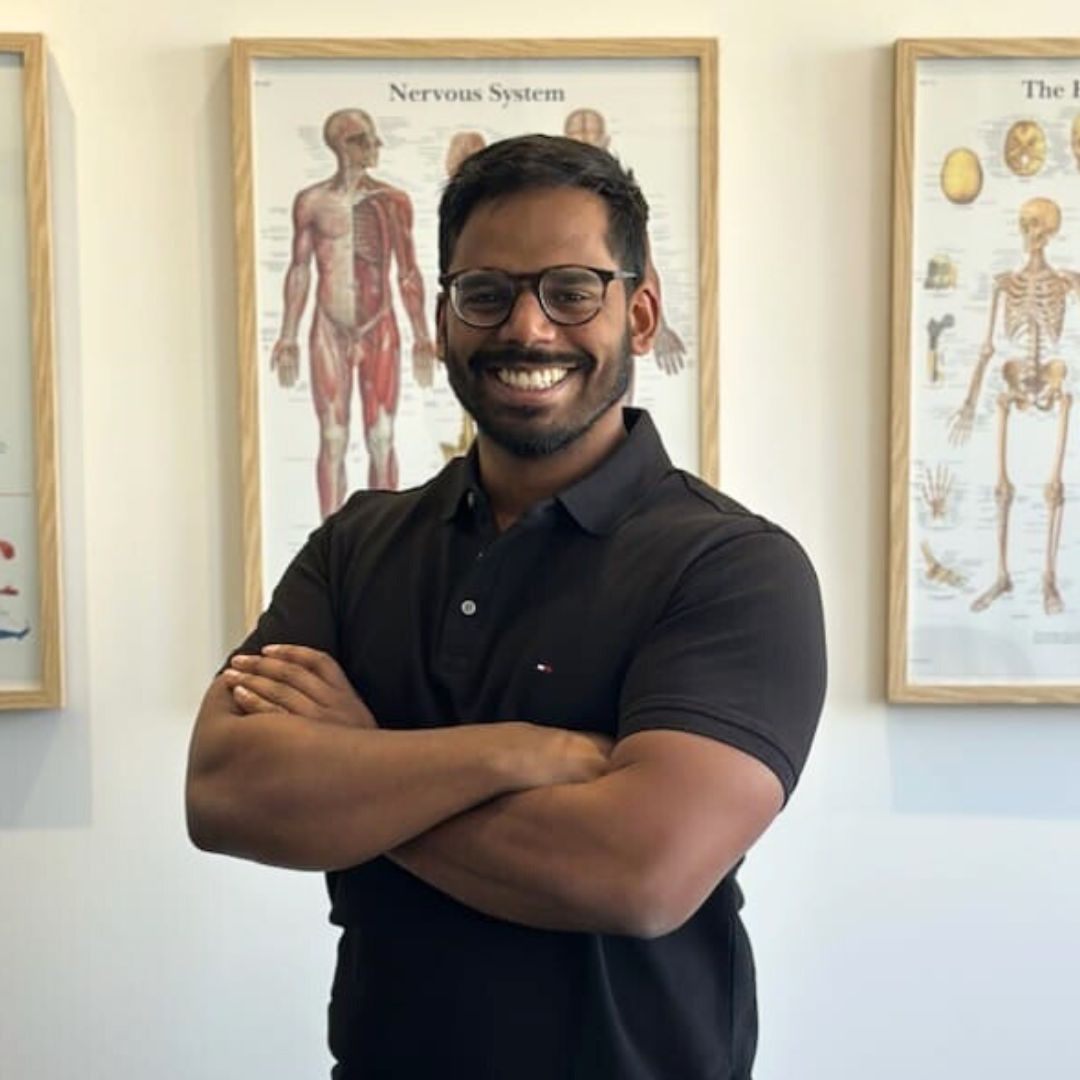
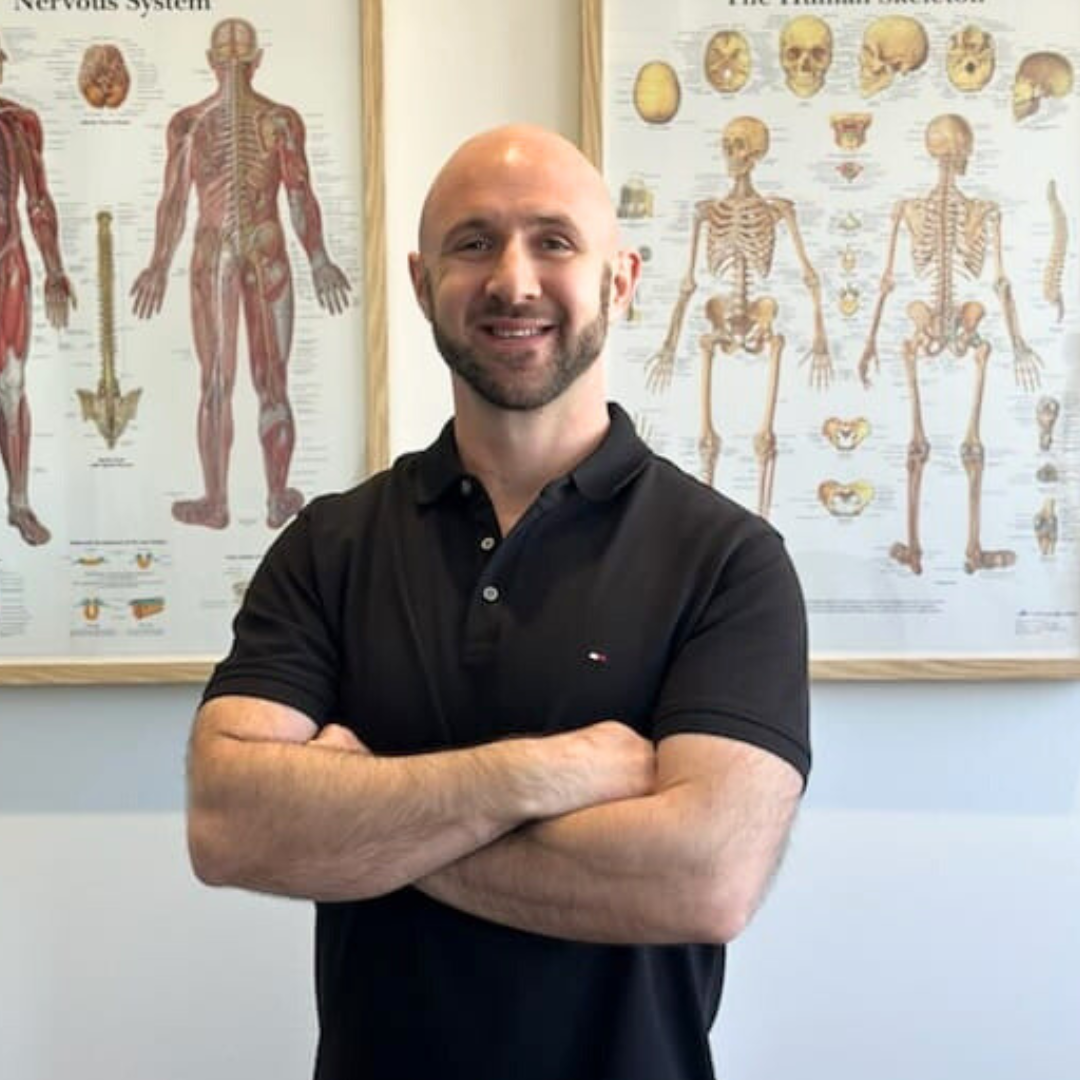
YOMITHA NAVARATNE
Benjamin Lustig
Founder BHSc M. Physio
M. Sports PhysioContact Us
We greatly look forward to hearing from you. Please complete the form below to get in touch. Otherwise you can book an appointment online Here.
Location
Athletic Spine is located at 83A Weston Street, Brunswick, Victoria 3056