

Chronic & Persistent Injury Rehabilitation in Brunswick
Evidence-based management to break recurrent pain cycles, rebuild physical capacity, and restore long-term confidence.
Living with an injury that never seems to fully settle can be frustrating. You might feel better for a few days, return to normal activity and then experience another flare-up. Perhaps you've tried different treatments but still struggle with persistent back pain, recurring tendon problems or a joint that limits your training and everyday life.
At Athletic Spine in Brunswick, Melbourne, our approach to chronic injury rehabilitation focuses on understanding your presentation, improving physical capacity and helping you manage symptoms over time. Rather than relying on short-term symptom relief alone, we combine individualised clinical assessment, movement and strength testing where appropriate, pain education and progressive exercise.
Persistent pain is not simply a sign that your body is damaged or that you need to stop moving. As we explore in our guide on why MRI findings don't always reflect your pain, pain can be influenced by several factors, including the original injury, physical capacity, sleep, stress and previous experiences. Understanding these influences can help you develop a more confident and sustainable approach to recovery.
Whether you're an active individual, office worker, tradesperson or recreational athlete, your rehabilitation plan is built around your needs and the activities you want to return to.
WHO wE’VE wORKED wITH





Chronic & Recurrent Conditions We Treat
Pain that persists for three months or longer is commonly described as chronic or persistent pain. It can follow an initial injury, develop gradually or continue despite previous treatment.
Our approach considers your symptoms, medical history, movement, physical capacity and functional goals to help identify appropriate rehabilitation strategies.
Persistent Back & Neck Pain
Ongoing back or neck pain can affect sleep, concentration, work, exercise and confidence with everyday movement. Symptoms may fluctuate, with periods of improvement interrupted by flare-ups after heavy lifting, prolonged sitting, or increased activity.
Rehabilitation focuses on understanding your presentation, identifying manageable starting points and gradually improving strength, movement tolerance and confidence. Where appropriate, your program may include trunk strengthening, mobility exercises, functional movement practice and strategies for managing symptom fluctuations—addressing conditions like discogenic back pain and facet joint irritation.
The aim is not to promise that pain will disappear immediately, but to help you improve function and develop greater control over how you respond to physical demands.
Recurrent Tendinopathy & Overuse Injuries
Tendon and overuse conditions can become persistent when the demands placed on a body part repeatedly exceed its current capacity. Symptoms may settle with rest but return when running, lifting, jumping or other activities resume.
Rehabilitation typically involves understanding your current activity levels, adjusting loads where necessary and progressively strengthening the affected area—whether addressing lower-limb tendon issues or spinal stressors like pars stress fractures.
Rather than avoiding activity indefinitely, the aim is to build tolerance gradually so you can work towards resuming your usual training or daily routine.
Incomplete Injury Rehabilitation & Secondary Weakness
Sometimes an injury improves enough for you to resume normal life, but the rehabilitation process stops before strength, endurance or activity tolerance has been fully rebuilt.
This can leave you feeling less capable than before, particularly when returning to demanding work, gym training, or sport. It does not necessarily mean the original injury has returned or that weakness is the only cause of your symptoms, though issues like back extensor overload may play a role.
A reassessment can help identify relevant limitations and establish a plan to address them. Depending on your presentation, this may include progressive resistance training, movement practice, balance work or task-specific conditioning.
Load Sensitivity & Repetitive Activity Flare-ups
Some people experience recurring symptoms when they increase activity, even when the activity itself is not harmful. This can make it difficult to know how much exercise is appropriate or whether to keep going when discomfort appears.
Rehabilitation can help you identify manageable activity levels, understand your response to loading and increase physical demands progressively. Your plan may include pacing strategies, planned adjustments to training or work, and gradual exposure to movements you have become hesitant to perform.
The goal is to reduce the disruption caused by flare-ups and help you make informed decisions about activity, rather than feeling that every increase in discomfort means you've caused further damage. Read More
Our Progressive Capacity-Building Framework
Persistent injury rehabilitation requires an approach that adapts to your symptoms, physical capacity and long-term goals. Progress may not be perfectly linear, and occasional flare-ups do not automatically mean treatment has failed. We outline our complete roadmap in our guide to spine rehab.
At Athletic Spine, we use a progressive framework to help organise rehabilitation and measure meaningful changes over time. The phases are tailored to your presentation rather than applied as a rigid timetable.
Phase 1 - Comprehensive Assessment & Pain Education
The first step is to understand your history, current limitations and previous treatment experiences. Learn what to expect during your first appointment with our team.
Your assessment may include:
- Reviewing the history and behaviour of your symptoms.
- Discussing previous injuries, investigations and treatment.
- Assessing relevant movement, strength and functional capacity, such as screening with the straight leg raise test where indicated.
- Identifying activities you find difficult or have been avoiding.
- Explaining how pain, physical capacity and other factors may interact.
Pain education can help you understand why symptoms sometimes persist after the initial injury has healed, or why pain levels can fluctuate without a clear indication of further damage.
The aim is to establish a shared understanding of your presentation and agree on realistic, meaningful rehabilitation goals.
Phase 2 - Load Management & Controlled Movement
Once an appropriate starting point has been established, the focus shifts towards finding a manageable level of activity and rebuilding confidence with movement.
Your program may involve:
- Adjusting training or work demands where necessary.
- Introducing exercises suited to your current capacity.
- Gradually restoring comfortable and useful movement.
- Developing strategies to respond to symptom fluctuations.
- Establishing a sustainable routine between appointments.
Load management does not always mean doing less. Sometimes it involves temporarily reducing a particular demand while maintaining other activities and progressively building tolerance.
The goal is to create a foundation for consistent participation without repeatedly exceeding your current capacity.
Phase 3 - Progressive Strength & Forceplate Testing
As your tolerance improves, rehabilitation can progress towards more demanding strength and functional tasks.
Depending on your condition and goals, this may include:
- Progressive resistance training.
- Trunk, hip or limb strengthening where relevant.
- Functional exercises related to work, gym or sport—moving beyond basic exercises like standard planks.
- Objective strength measurements to track progress.
- Forceplate or movement assessments where appropriate.
Exercise intensity is adjusted according to your response, functional requirements and relevant clinical findings. Testing can help inform decisions, but no single measurement explains all persistent pain or guarantees that an injury will not recur.
The aim is to improve your physical capacity and prepare you for the demands you want to manage.
Phase 4 - Long-Term Independence & Performance Retention
The final phase focuses on maintaining progress and helping you manage your condition with greater independence.
Your plan may include:
- Building a sustainable strength and exercise routine.
- Gradually returning to higher-demand work or recreational activities.
- Identifying early signs that activity demands may need adjusting.
- Developing practical strategies for managing future flare-ups.
- Reviewing progress against your longer-term goals.
Persistent pain can fluctuate, even after meaningful improvements in function. Understanding how to adjust activity without abandoning rehabilitation can help you maintain progress through changing demands.
The goal is to equip you with the knowledge, confidence and physical capacity to keep working towards your goals beyond your formal treatment period.
Objective Strength & Biomechanical Assessment
When pain has persisted for months or years, daily symptoms do not always provide a complete picture of your physical capacity. You may have a difficult day despite making progress, or feel relatively comfortable while still finding certain tasks physically demanding.
Where appropriate, objective assessments can provide additional information about strength, movement and task performance. These measures complement clinical reasoning and your own experience; they do not replace either.
Forceplate Data & Physical Performance Measures
Forceplates measure forces produced or transferred during selected movements and tasks. When suitable for your presentation, they may help assess aspects of force production, loading and physical performance.
These measurements can provide a reference point for monitoring change during rehabilitation. They are particularly relevant when a person's goals involve rebuilding physical capacity for demanding exercise, work or sport.
Forceplate testing is not necessary for every persistent injury. Results are interpreted in context and should not be treated as a standalone diagnosis or proof that pain will resolve.
Strength & Capacity Testing
Strength and functional assessments can help identify areas where physical capacity may be relevant to your goals.
Depending on your presentation, this may include testing selected muscle groups, trunk strength, endurance or your ability to perform specific functional tasks. The findings help guide exercise selection and determine whether training demands should be adjusted.
A capacity deficit may be one part of the picture, but persistent pain is often influenced by multiple interacting factors, such as differentiating true SI joint pain from general muscle weakness.
Movement Screening & Functional Assessment
Movement screening helps assess how you perform relevant tasks and where you experience difficulty, discomfort or reduced confidence.
Your physiotherapist may assess movements related to your daily activities, such as bending, lifting, squatting, walking or returning to sport-specific tasks—examining how mechanical issues manifest, whether in deadlifts or athletic movement.
There is no single perfect way to move, and a movement difference does not automatically mean something is wrong. The focus is on your functional needs, current tolerance and opportunities to build capacity.
Measuring Progress Beyond Daily Pain Levels
Pain remains an important part of your recovery, but it is not the only measure of progress.
Depending on your goals, progress may also be reflected in your ability to walk further, lift more comfortably, train consistently, complete a workday or perform tasks you previously avoided.
Combining symptom monitoring, functional outcomes and relevant objective measures helps create a broader picture of recovery. This can support more informed decisions about progression, even when symptoms fluctuate.
Related Rehabilitation Pathways
Persistent pain can overlap with several different clinical presentations. Explore our related services to find the pathway most relevant to your injury, diagnosis or stage of recovery:
- Spine Injury & Rehabilitation: For acute back injuries, disc flare-ups and other spinal presentations requiring structured rehabilitation, visit our non-surgical spine injury service.
- Post-Surgical Spinal Rehabilitation: If your persistent symptoms occur following spinal surgery (such as a discectomy), learn more about expected timelines in our microdiscectomy recovery guide.
- Specific Spinal Conditions & Diagnoses: If you've received an MRI report or been diagnosed with a spinal condition—such as a herniated disc or radiculopathy—explore our specific spinal conditions resources for information about diagnoses and related care options.
- General Musculoskeletal Care: For a broader range of joint pain, muscle injuries, tendon conditions and movement concerns, visit Athletic Spine & Injury Rehab Clinic in Brunswick.
Why Choose Athletic Spine for Chronic Injury Management
When pain persists, it can be difficult to know what to try next. Athletic Spine takes an individualised, active approach designed to help you understand your presentation, build physical capacity and work towards meaningful functional goals. We have a real world, proven track record of success, most often when others have failed.
Individualised One-on-One Focus
Your symptoms, medical history, previous treatment and daily demands help shape your rehabilitation plan. The program is adjusted as your capacity and goals change, rather than relying on a standard exercise routine for every person with persistent pain.
Objective Measures Instead of Guesswork
Where appropriate, strength testing, movement screening and forceplate assessments can provide useful information about your physical capacity. These findings complement your symptoms and clinical assessment to help guide rehabilitation decisions.
Active Capacity Building Beyond Short-Term Relief
Hands-on treatment or passive modalities like massage may have a minor supporting role when appropriate, but persistent injury rehabilitation requires active participation. Progressive exercise helps improve strength, endurance and tolerance for the tasks that matter to you.
The focus is on building sustainable function, not promising a quick fix or relying exclusively on temporary symptom relief.
An Athletic Mindset for Everyday Life
You don't need to compete in sport to benefit from a capacity-focused approach. Whether you want to return to running, manage physically demanding work (such as fire & rescue duties or police work), train at the gym or complete everyday tasks with greater confidence, your rehabilitation should reflect the demands of your life. Read Less
Frequently Asked Questions About Chronic Injury Rehab
How does chronic injury rehab differ from acute injury treatment? +
Acute injury treatment often focuses on assessing a recent injury, managing initial symptoms and guiding an appropriate early recovery plan. Chronic or persistent injury rehabilitation usually requires a broader assessment of ongoing symptoms, physical capacity, previous treatment and the factors affecting daily function.
Treatment may include pain education, activity and load management, progressive strengthening, functional retraining and strategies for responding to flare-ups. The aim is to improve your ability to manage daily demands and build sustainable capacity, rather than focusing exclusively on short-term symptom changes.
The right approach still depends on your individual presentation. Persistent symptoms may warrant further investigation or medical review when indicated. If you're unsure if your symptoms require urgent evaluation, review our 5 warning signs guide.
Will I need an MRI or scan before starting chronic injury rehabilitation? +
No. Many musculoskeletal conditions can initially be assessed through your history and a clinical examination, without requiring immediate imaging. Whether a scan is appropriate depends on your symptoms, examination findings, previous investigations and whether the result is likely to change your management.
Imaging can be valuable in particular circumstances, but findings do not always explain the severity of pain or functional limitation. Your physiotherapist can discuss whether further medical assessment or imaging may be warranted and refer you to an appropriate medical practitioner when needed.
If you have already had an MRI or other investigation, bring the report and any relevant medical recommendations to your appointment.
Can exercise still help if I have had pain for months or years? +
Yes. Appropriately selected exercise can help many people with persistent musculoskeletal pain improve strength, physical capacity, function and confidence with movement. The program should reflect your current abilities, health circumstances and goals, with the level of challenge increased gradually as appropriate.
Progress is not always linear, and some discomfort or temporary symptom fluctuation may occur during rehabilitation. This does not automatically mean that exercise is causing harm, but significant or unexpected changes should be assessed and the program adjusted when necessary.
Your physiotherapist can help identify a manageable starting point and develop a progression that fits your circumstances. The aim is to improve what you can do and help you manage symptoms more confidently, without promising a complete or immediate cure.
Meet The Team
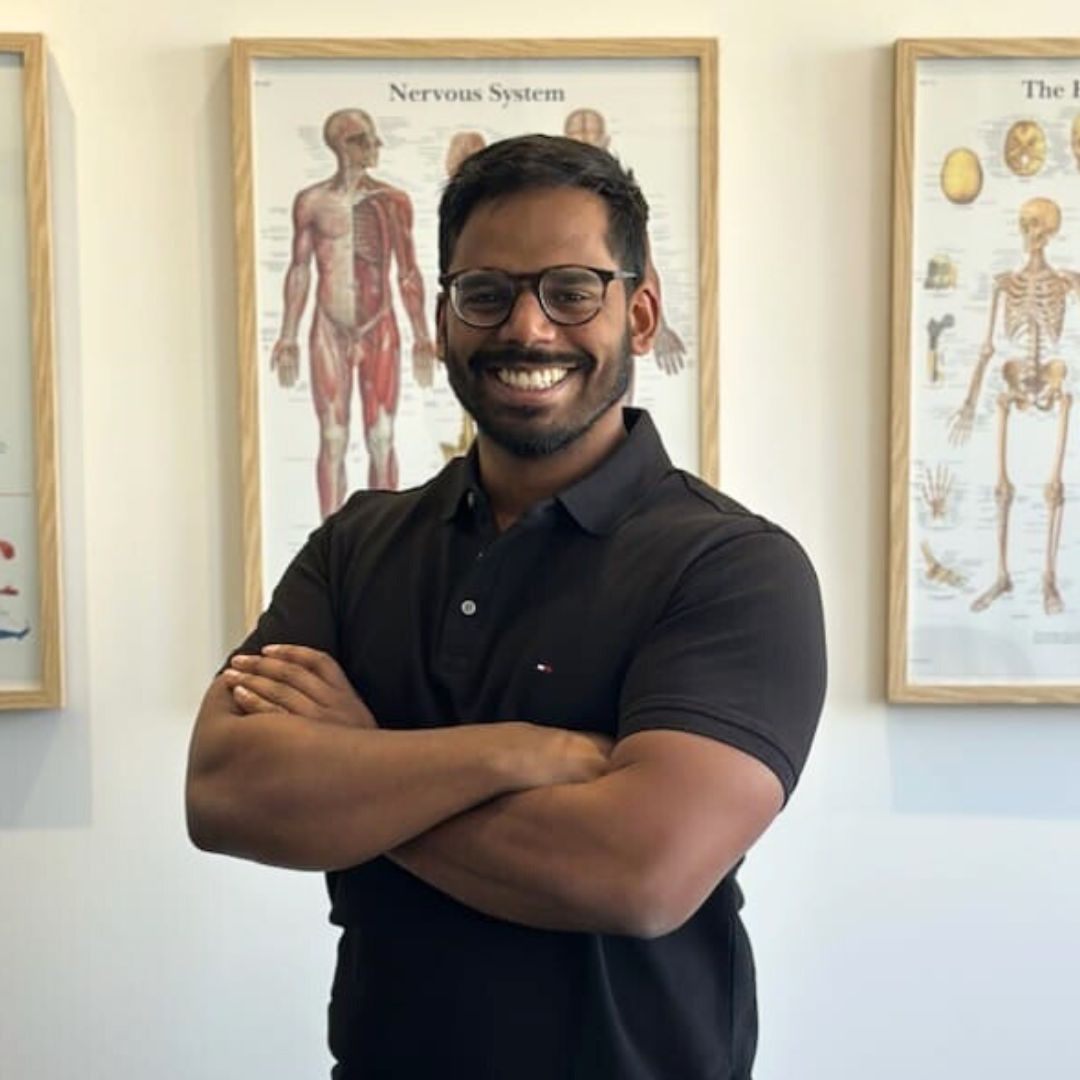
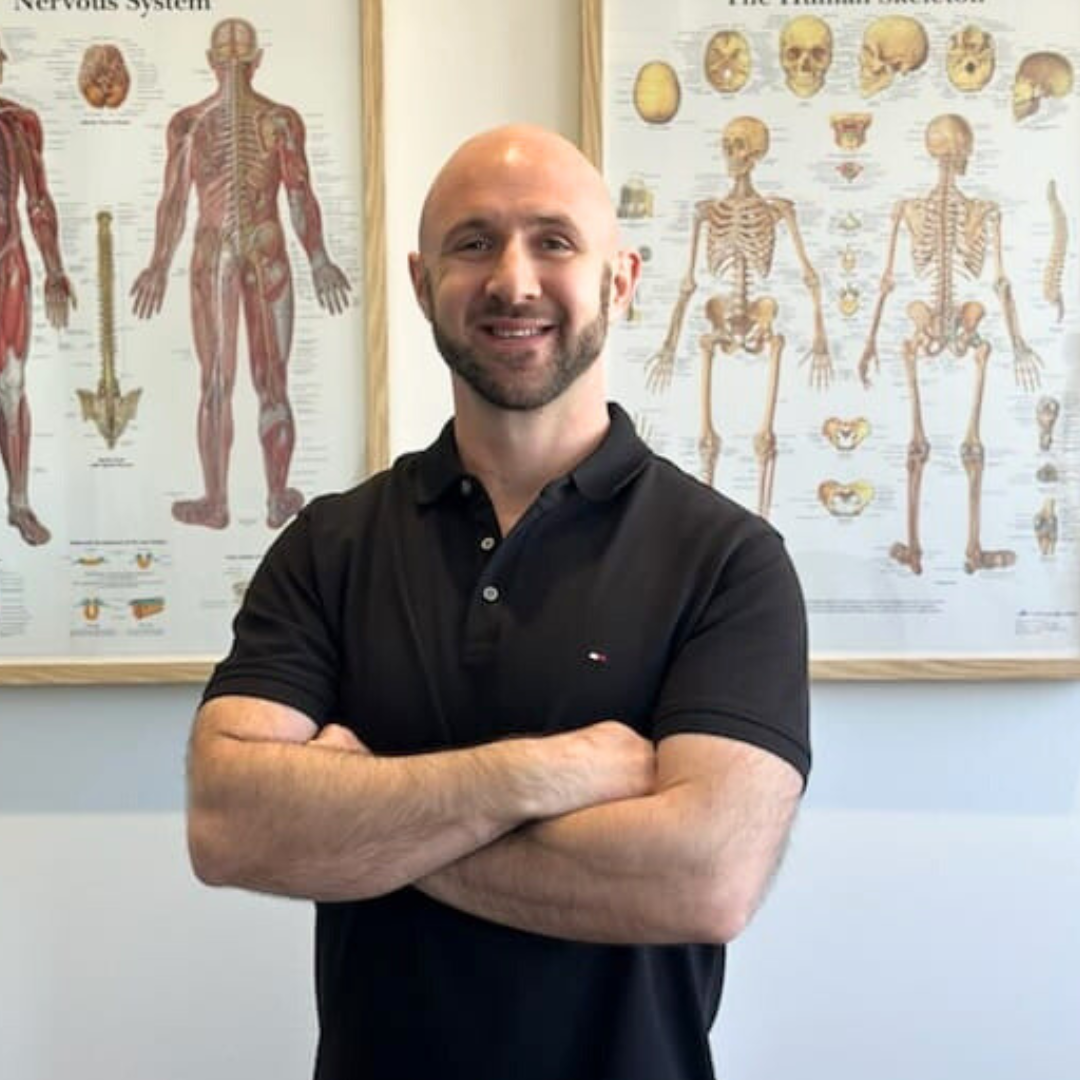
YOMITHA NAVARATNE
Benjamin Lustig
Founder BHSc M. Physio
M. Sports PhysioContact Us
We greatly look forward to hearing from you. Please complete the form below to get in touch. Otherwise you can book an appointment online Here.
Location
Athletic Spine is located at 83A Weston Street, Brunswick, Victoria 3056