

Spine Injury & Rehabilitation in Brunswick
Evidence-based rehabilitation to manage acute back injuries, rebuild spinal strength, and safely return to full activity.
A back injury can affect everything from work and exercise to everyday movement. Whether you're dealing with an acute back strain, a disc flare-up or a diagnosed spinal injury, knowing how to recover safely can be challenging.
At Athletic Spine in Brunswick, Melbourne, we take a structured approach to spine injury rehabilitation. Your care begins with an individual assessment to understand your symptoms, movement limitations and functional goals. From there, we develop a progressive rehabilitation plan designed to help you manage symptoms, rebuild physical capacity and work towards the activities that matter to you.
Whether you're an athlete, tradesperson or simply want to move comfortably again, your rehabilitation is guided by your presentation, response to treatment and progress over time.
WHO wE’VE wORKED wITH




Spine Injuries We Treat & Manage
Spinal injuries can vary considerably in their cause, severity and recovery requirements. Our approach to rehabilitation considers your symptoms, clinical findings, activity demands and any relevant medical investigations.
We help people manage a range of back and neck presentations, including:
Acute Disc Protrusions & Herniations
Disc protrusions and herniations can contribute to localised back or neck pain and, in some cases, irritation of nearby nerves. Symptoms may include pain spreading into an arm or leg, tingling or changes in movement tolerance—often manifesting as radiculopathy or discogenic back pain.
Disc bulge physiotherapy focuses on understanding your symptoms, finding tolerable ways to move and gradually rebuilding strength and function. Your program may include tailored mobility exercises, progressive strengthening and guidance on returning to normal activities, as discussed in our guide on running with a disc bulge.
An MRI finding alone does not determine your rehabilitation plan. As we detail in our analysis of scan findings vs physical presentation, your symptoms, examination findings and functional needs all help guide treatment.
Lumbar & Cervical Ligament Sprains & Muscle Tears
Sudden lifting, twisting, contact or an awkward movement can irritate spinal ligaments or strain the muscles supporting your back or neck. Pain and stiffness may initially make everyday tasks difficult.
Rehabilitation aims to restore comfortable movement, improve muscular capacity and progressively reintroduce activities that place demands on the injured area—whether working to resolve deadlift-related back strain or facet joint irritation. Loading is adjusted according to your symptoms, clinical presentation and response to exercise.
Spondylolisthesis & Vertebral Stress Injuries
Conditions such as spondylolisthesis and vertebral stress injuries require an individualised approach. Explore our specialized pars stress fracture rehab roadmap for detailed clinical progressions.
Your program may focus on managing aggravating activities, developing trunk and hip strength, improving movement control and gradually rebuilding tolerance for work, training or sport.
Where a stress injury is suspected or requires further investigation, appropriate medical assessment is important before progressing loading.
Recurrent & Severe Back Injury Flare-ups
Recurring back pain can interrupt training, work and daily life. A flare-up may occur after heavy lifting, prolonged sitting, increased training loads or an unexpected movement.
Rehabilitation focuses on understanding the factors contributing to your symptoms, identifying manageable activity levels and building capacity progressively. The aim is to help you move with greater confidence, improve your tolerance for everyday demands and develop strategies for managing future flare-ups.
New, severe or unexplained symptoms should be assessed appropriately rather than automatically treated as a familiar flare-up. Review our 5 warning signs guide to evaluate your symptoms. Read More
Our Structured Spine Rehabilitation Pathway
Effective spinal rehabilitation is more than waiting for pain to settle. It involves finding an appropriate starting point, progressively rebuilding physical capacity and preparing for the demands of your daily life. Learn how this fits into our complete guide to spine rehab.
At Athletic Spine, your rehabilitation plan is tailored to your injury and goals. The following four phases provide a framework for progression, rather than a fixed timeline that every patient must follow.
Phase 1, Symptom Reduction & Protection
The initial focus is on understanding your injury, identifying movements or activities that aggravate symptoms and finding ways to remain active within appropriate limits. Discover what to expect during your first appointment with our clinical team.
Depending on your presentation, this phase may involve:
- Clinical assessment of your symptoms and movement, incorporating tests like the straight leg raise test when clinically indicated.
- Advice on modifying work, training and daily activities.
- Comfortable movement and gentle exercises where appropriate.
- Identifying signs that require further medical investigation.
- Establishing an initial plan for progressing rehabilitation.
The goal is to manage symptoms while avoiding unnecessary inactivity or inappropriate loading.
Phase 2, Mobility & Core Capacity
As your symptoms and movement tolerance allow, rehabilitation progresses towards restoring useful mobility and developing the capacity of the muscles that support your trunk and hips—moving beyond basic exercises like standard planks.
Your program may include:
- Progressive trunk and hip strengthening, ensuring you avoid issues like back extensor overload.
- Exercises to improve movement control and coordination.
- Gradual increases in tolerance for sitting, standing, lifting or walking.
- Individualised mobility work where indicated.
- Monitoring your response to exercise between appointments.
Progression is based on how you respond, rather than pain levels alone.
Phase 3, Progressive Strength & Capacity Testing
Once appropriate, rehabilitation places greater emphasis on building strength and tolerance for more demanding physical tasks. This may be particularly important if your work involves manual handling or your sport requires lifting, sprinting, rotation or repeated high-force movements.
Your program may incorporate progressive resistance training, functional movement tasks and relevant objective assessments. Where suitable, forceplate measurements and other strength or movement tests can help establish a baseline and monitor changes over time.
Testing is selected according to your injury and goals. No single measurement can independently establish that a spinal injury has fully recovered.
Phase 4, Return to Work, Gym & Sport
The final phase focuses on preparing you for the specific demands you want to resume. Being able to perform everyday movements does not always mean you are ready for heavy lifting, unrestricted gym training or competitive sport.
Your return-to-activity plan may involve:
- Gradually increasing training volume and intensity.
- Reintroducing relevant lifting, running or sport-specific movements.
- Building tolerance for repetitive and higher-load tasks.
- Reviewing strength, movement quality and symptom response.
- Developing a plan for maintaining capacity after formal rehabilitation.
The objective is to help you return to activity with a clearer understanding of your current capabilities and how to manage increasing demands.
Objective Strength & Biomechanical Testing
Recovery is not always reflected by pain levels alone. Depending on your injury and goals, changes in strength, movement control and physical capacity can provide useful information when planning rehabilitation.
Athletic Spine may use objective testing alongside clinical assessment to help guide exercise selection and monitor your progress.
Forceplate Measurements
Forceplates measure how forces are applied during selected tasks. When appropriate, these measurements can help assess aspects of force production, loading patterns and performance during rehabilitation.
Results are interpreted in the context of your symptoms, injury history and functional goals. Forceplate testing is not required for every patient, and a single result cannot guarantee readiness to return to sport or heavy training.
Trunk Strength & Capacity Assessments
Rebuilding trunk strength and endurance can be an important part of returning to physical activity after a back injury.
Your assessment and exercise program may examine relevant aspects of strength, endurance and tolerance for progressively demanding tasks. Findings help guide exercise difficulty and identify areas that may benefit from further development.
Biomechanical & Movement Screening
Movement screening can help identify how you currently perform selected tasks and which movements are comfortable, limited or difficult to control, such as evaluating pelvic dynamics during a spine-related run screening.
Depending on your needs, this may include assessments of bending, lifting, squatting, balance or sport-specific movements. Findings are used to inform your rehabilitation plan, not to assume that one particular movement pattern is the cause of your pain.
Tracking Progress Towards Your Goals
Your rehabilitation should have a clear purpose. Progress may be monitored through changes in symptoms, functional abilities, strength measures and your tolerance for work, training and everyday activities.
Combining clinical reassessment with relevant objective measures helps guide decisions about when and how to progress your program.
Related Spinal Services & Conditions
Spine injury rehabilitation is one part of a broader approach to spinal care. Explore our related services to find the information most relevant to your situation:
- Non-Surgical Back Care: Explore our dedicated non-surgical back pain rehabilitation pathway for structured spinal recovery.
- Chronic & Persistent Injury Care: If your back symptoms have lasted longer than 3 months, visit our chronic injury rehabilitation service.
- Post-Surgical Spinal Rehabilitation: Recovering after spinal surgery? Learn more about surgeon-aligned care on our post-spinal surgical rehabilitation page or read expected timelines in our microdiscectomy recovery guide.
- High Performance Testing: Ready to transition from injury recovery to athletic strength? Explore our spine high performance assessment.
- General Musculoskeletal Care: For broader joint, tendon, or non-spine injuries, visit Athletic Spine & Injury Rehab Clinic in Brunswick.
Why Choose Athletic Spine for Spine Injury Rehabilitation
An evidence-informed, proven system, for reducing pain and getting back to the things that matter to you pain free.
Recovering from a spinal injury requires a plan that reflects your condition, your current capacity and the activities you want to return to. Athletic Spine combines individualised clinical care with a progressive rehabilitation approach.
Individualised, One-on-One Care
Your symptoms, injury history, daily demands and goals help shape your rehabilitation plan. Treatment is adapted as your presentation changes, rather than relying on a generic set of exercises for every back injury.
Objective Testing Where Appropriate
When relevant to your presentation, strength assessments, forceplate measurements and movement screening can provide additional information about your physical capacity and progress.
Clear Progression Measures
Rehabilitation is guided by meaningful milestones, including improvements in function, strength and tolerance for specific activities. This helps make progression more considered and gives you a clearer picture of what you are working towards.
An Athletic Rehabilitation Mindset
You do not need to be an athlete to benefit from a performance-focused approach. Whether your goal is returning to competitive sport, managing demanding occupations (like fire & rescue personnel or police work), getting back to the gym or managing everyday tasks comfortably, rehabilitation should prepare you for the demands of your life. Read Less
Frequently Asked Questions About Spine Injury Rehab
How soon after a back injury should I start rehabilitation? +
The appropriate time to start rehabilitation depends on the nature and severity of your injury, your symptoms and whether further medical assessment is required. Many uncomplicated back injuries can benefit from early, appropriately graded movement and guidance on staying active.
You do not necessarily need to wait until all pain has disappeared. However, severe injuries, suspected fractures, significant neurological symptoms or injuries requiring specific medical management need appropriate assessment before exercise is progressed. A physiotherapist can help determine a suitable starting point for your circumstances.
Read more on physiotherapy for back pain to learn about initial management strategies.
Can I rehabilitate a herniated disc without surgery? +
Many people with disc herniations can improve with non-surgical management, which may include education, activity modification, progressive exercise and physiotherapy. Learn more in our clinical guide: will a herniated disc heal on its own?
Imaging findings alone do not determine whether surgery is necessary. If you have persistent disabling symptoms, progressive weakness or other concerning neurological changes, medical review is important to assess your options.
Seek urgent medical attention if back pain is accompanied by new loss of bladder or bowel control, difficulty passing urine, numbness around the groin or saddle area, or rapidly worsening leg weakness.
How do you know when it is safe for me to return to gym or sport? +
Return-to-activity decisions are based on more than whether your pain has settled. Your physiotherapist may consider your symptoms, movement, strength, tolerance for progressively demanding tasks and the specific requirements of your work, gym routine or sport.
Where appropriate, objective strength testing, forceplate measurements and functional assessments can provide additional information. Progression is individualised, and some injuries require medical clearance or specific healing periods before higher-load activity resumes.
The goal is to develop a sensible progression back to your usual activities, while monitoring how you respond as the demands increase.
Meet The Team
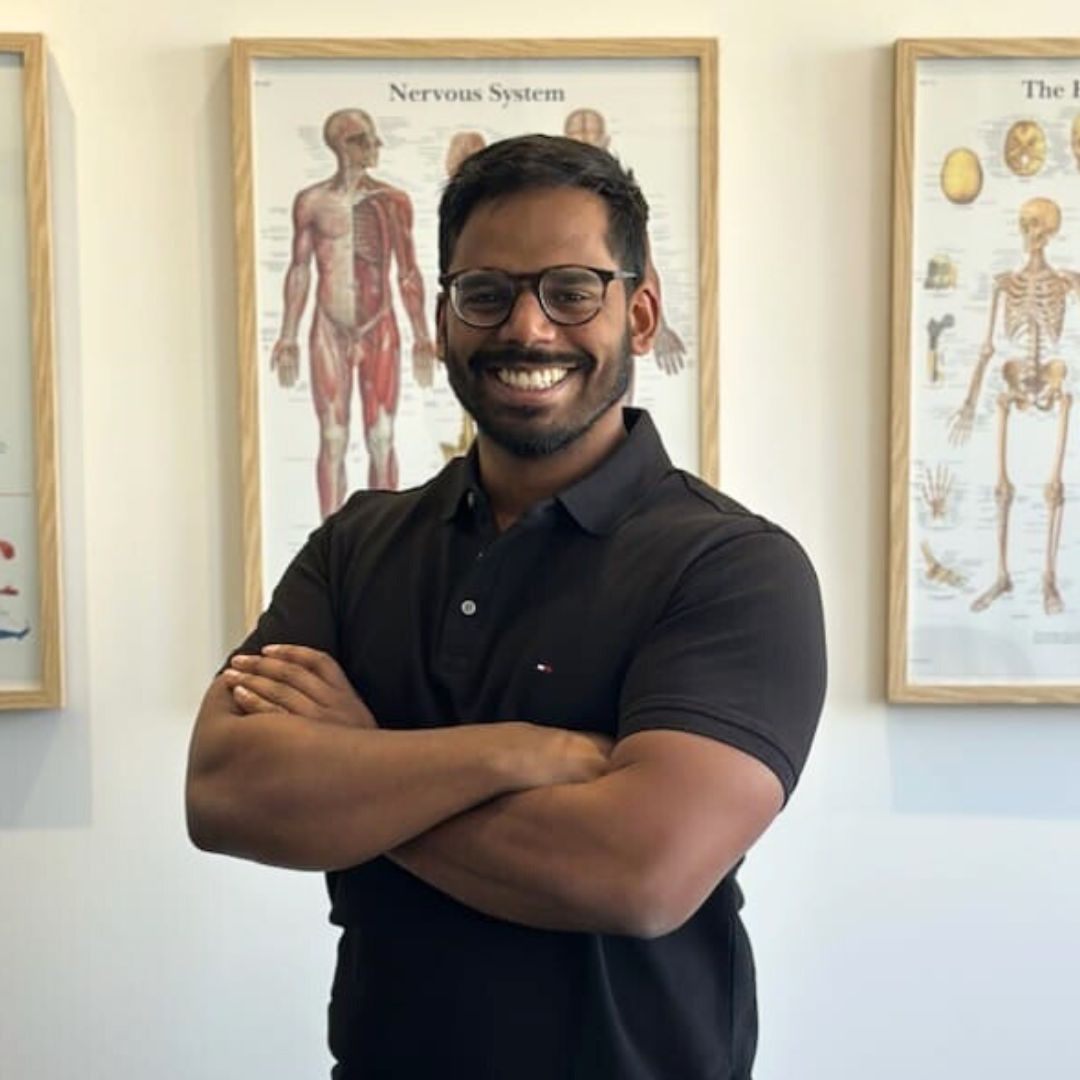
YOMITHA NAVARATNE
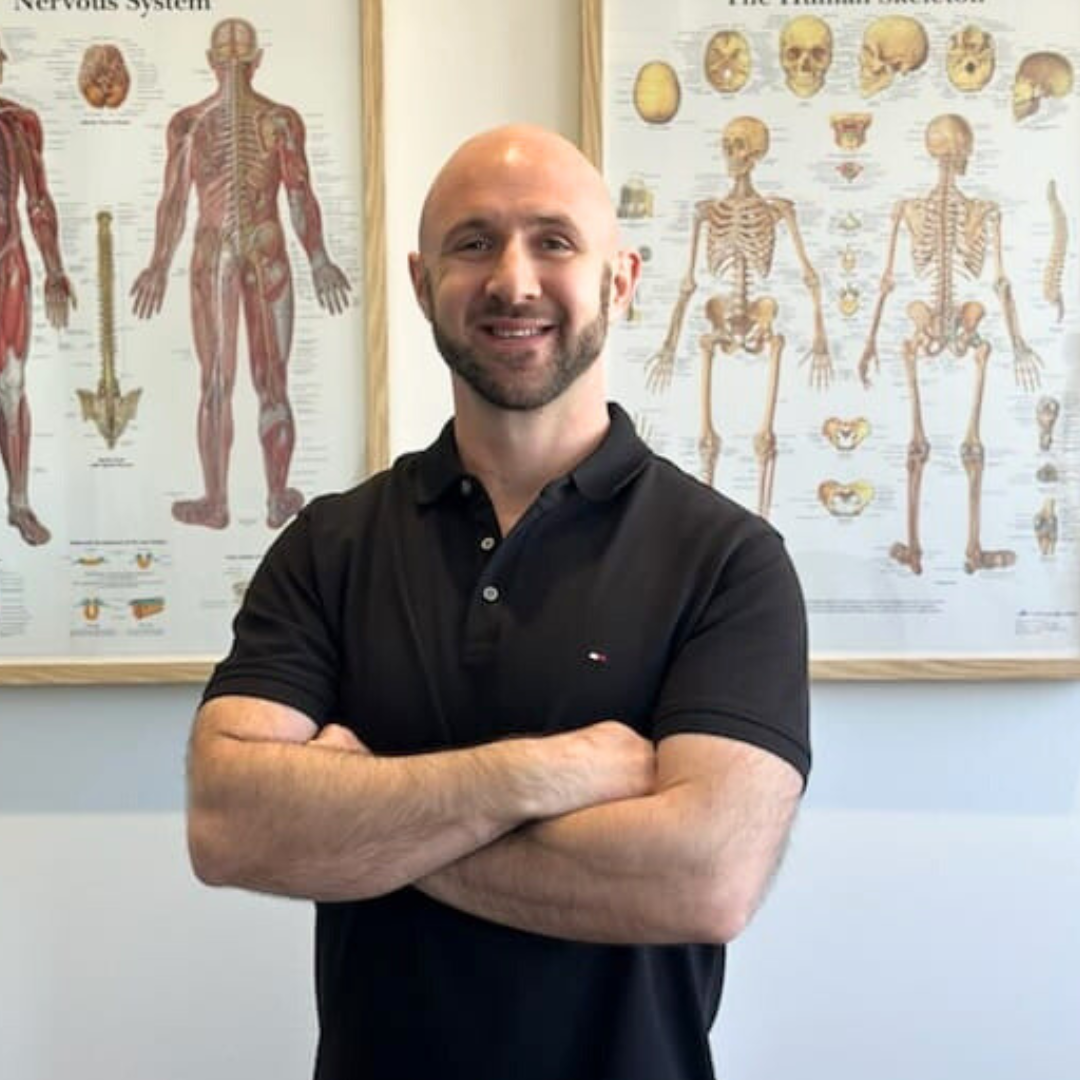
Benjamin Lustig
Founder BHSc M. Physio
M. Sports PhysioContact Us
We greatly look forward to hearing from you. Please complete the form below to get in touch. Otherwise you can book an appointment online Here.
Location
Athletic Spine is located at 83A Weston Street, Brunswick, Victoria 3056