

Spinal Inflammatory Disorders Rehabilitation in Brunswick
Biomechanics-focused clinical management, mobility preservation, and progressive strength conditioning for inflammatory spine conditions.
Inflammatory spinal disorders require a fundamentally different clinical approach from mechanical disc strains or acute muscular injuries. Conditions such as axial spondyloarthritis, ankylosing spondylitis, and psoriatic spondylitis drive persistent joint inflammation, deep early morning stiffness, and gradual restriction across the spinal column and sacroiliac joints.
During an inflammatory flare-up, natural protective stiffness can make everyday movement feel uncomfortable. However, prolonged rest accelerates spinal stiffening and weakens the supporting muscles around your trunk, ribcage, and pelvis. At Athletic Spine, we focus on preserving spinal mobility, maintaining chest wall expansion, and building physical resilience through structured, mechanics-first exercise.
Working alongside your rheumatologist or general practitioner, our clinical team designs individualised conditioning programs that help you navigate symptom fluctuations, protect upright posture, and stay active in the sports and daily routines you value.
WHO wE’VE wORKED wITH








Understanding Spinal Inflammatory Disorders
Unlike mechanical back pain triggered by sudden lifting or acute tissue strain, spinal inflammatory disorders stem from immune-mediated inflammation targeting the axial skeleton, sacroiliac joints, and tendon attachment sites (entheses).
Axial Spondyloarthritis & Ankylosing Spondylitis
Inflammation in the sacroiliac joints and spinal facet joints causes deep, dull lower back and buttock discomfort that typically worsens after periods of inactivity. Over time, chronic inflammation can encourage new bone formation along spinal ligaments. Targeted spinal extension, rotation, and postural conditioning help maintain joint range and prevent progressive thoracic rounding.
Psoriatic & Enteropathic Spinal Involvement
Inflammatory arthritis associated with psoriasis or inflammatory bowel conditions can affect the cervical, thoracic, and lumbar spine alongside peripheral joints. Our biomechanical screening accounts for whole-body joint sensitivity so your conditioning supports spinal function without aggravating peripheral tendons.
Distinguishing Inflammatory vs. Mechanical Symptoms
Inflammatory back pain typically begins gradually before age 45, produces morning stiffness lasting longer than 30 to 45 minutes, wakes people in the second half of the night, and improves noticeably with gentle physical movement rather than rest. Recognising these patterns allows us to structure your training intensity around your body's daily symptom rhythms. Read more on interpreting clinical findings in our guide on why MRI findings might not be the cause of your pain. Read More
Our Clinical Management Approach
Effective management balances joint care during high-inflammation periods with progressive strengthening during calmer phases. We anchor rehabilitation in four core principles:
- Building Mechanical Resilience: Strengthening the musculature supporting your spine, ribcage, and hips improves how your body absorbs everyday physical demands even alongside an inflammatory diagnosis.
- Progressive Loading Over Extended Rest: Extended inactivity worsens morning stiffness and deconditions postural endurance. We adjust exercise intensity to match your daily symptom levels rather than stopping movement altogether.
- Restoring Daily Function Over Chasing Pain Scores: Our priority is preserving your ability to rotate, extend, breathe deeply, and participate in work or sport rather than waiting for complete symptom absence.
- Fostering Patient Independence: We provide daily mobility routines, flare-up pacing strategies, and self-management tools so you stay in control of your condition between appointments.
Components of Your Clinical Assessment
Your initial assessment establishes clear functional benchmarks across your spine, ribcage, and hips so your progress can be tracked objectively over time.
1. Inflammatory History & Symptom Rhythm Profiling
We review your rheumatology notes, current medications, blood markers, and daily stiffness patterns. If you are experiencing uninvestigated back pain with night waking or prolonged morning stiffness, review our guide on 5 warning signs your lower back pain needs professional assessment.
2. Segmental Spinal & Ribcage Mobility Testing
Inflammation around the joints where your ribs meet your thoracic spine can restrict deep breathing. We measure spinal flexion, extension, lateral flexion, rotation, and chest wall expansion to identify early mobility restrictions before they impact daily movement.
3. Hip, Pelvis & Tendon Attachment Screening
When thoracic or lumbar rotation is stiff, your hips and pelvis often compensate during walking, running, and lifting. We evaluate hip range of motion, gluteal strength, and common tendon insertion sites, such as the Achilles tendon and plantar fascia, to ensure balanced lower-limb mechanics.
4. Two-Tier Flare & Conditioning Programming
Your clinician creates an adaptable two-tier plan: a gentle mobility and thoracic breathing routine for active flare days, and a progressive resistance and cardiovascular training program for settled phases.
Related Spinal Pathways & Services
Athletic Spine provides structured clinical care pathways tailored to your specific phase of rehabilitation, ongoing management, or physical performance:
- Chronic & Persistent Injury Rehabilitation: Looking for long-term strength conditioning for ongoing spinal stiffness? Explore our chronic injury rehabilitation service.
- Spine Injury & Rehabilitation: Managing a superimposed mechanical back strain alongside an inflammatory diagnosis? Review our spine injury & rehabilitation service or learn more about our non-surgical spine injury care.
- Spine Prehab Assessment: Want to establish objective spinal mobility and strength baselines before starting a new gym program? Explore our spine prehab assessment service.
- Spine High Performance Assessment: Aiming to maintain or return to demanding strength training and competitive sport? Discover our spine high performance assessment.
- Spine-Related Run Screening: Experiencing hip, Achilles, or lower back stiffness while running? Learn how our spine-related run screening evaluates running mechanics and impact forces.
- Post-Spinal Surgical Rehabilitation: Recovering from a spinal operation? Explore our post-spinal surgical rehabilitation page for structured recovery pathways.
- General Musculoskeletal Care: Need targeted support for peripheral joint or tendon discomfort? General physiotherapy at Athletic Spine & Injury Rehab Clinic can help clarify your diagnosis and guide next steps.
Why Choose Athletic Spine for Inflammatory Spine Care
Mechanics-First Spinal Conditioning
We go beyond generic stretching, combining targeted thoracic extension and rotational mobility with progressive strength exercises that support upright posture and spinal endurance.
Integrated Medical Collaboration
Targeted exercise works best alongside appropriate medical care. We coordinate directly with your rheumatologist or general practitioner so your physical rehabilitation aligns with your medical treatment.
Practical Flare-Up Management
Because inflammatory symptoms naturally fluctuate, we teach you how to scale exercise selection and training intensity during flare-ups so you maintain momentum without irritating sensitive joints. Read Less
Frequently Asked Questions About Acute Back Injuries
Should I go to complete bed rest after a sudden back injury? +
No. Clinical research consistently shows that complete bed rest for more than 24 to 48 hours can delay recovery, increase muscle stiffness, and heighten pain sensitivity. Gentle, comfortable movement combined with sensible activity modification is far more effective for settling acute back symptoms.
Learn what to expect during your initial consultation in our guide on first physiotherapy appointments.
Do I need an immediate MRI or X-ray for an acute back strain? +
In the vast majority of acute back cases, immediate imaging is unnecessary unless specific clinical warning signs (red flags) are present. A thorough clinical examination can identify mechanical issues and guide treatment immediately without waiting for scan results.
How long does an acute back injury take to settle down? +
Most acute back presentations show significant improvement in mobility and pain levels within 2 to 6 weeks when managed with appropriate movement strategies. Full restoration of high-load strength and sporting function typically progresses over 6 to 12 weeks depending on the underlying structures involved.
Meet The Team
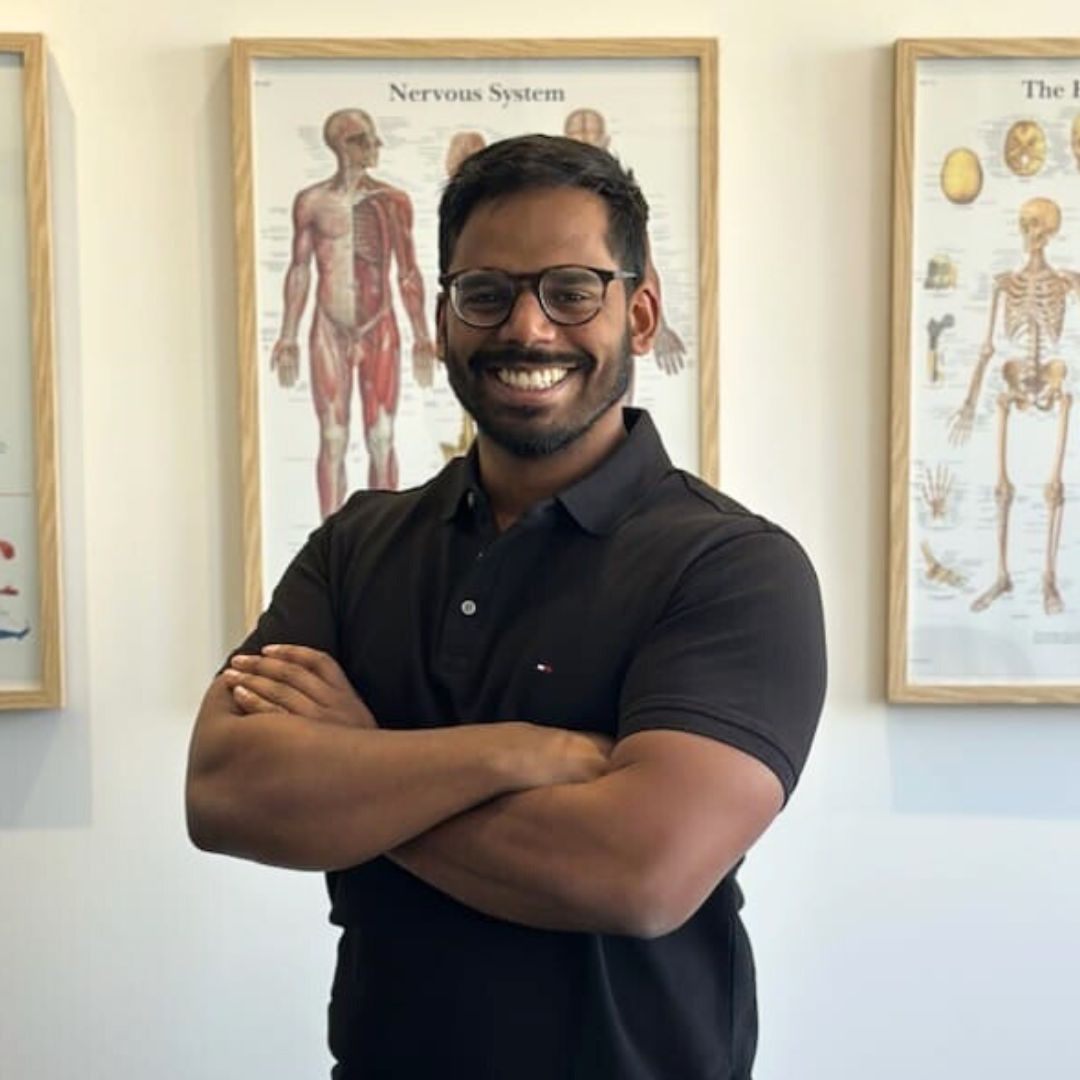
YOMITHA NAVARATNE
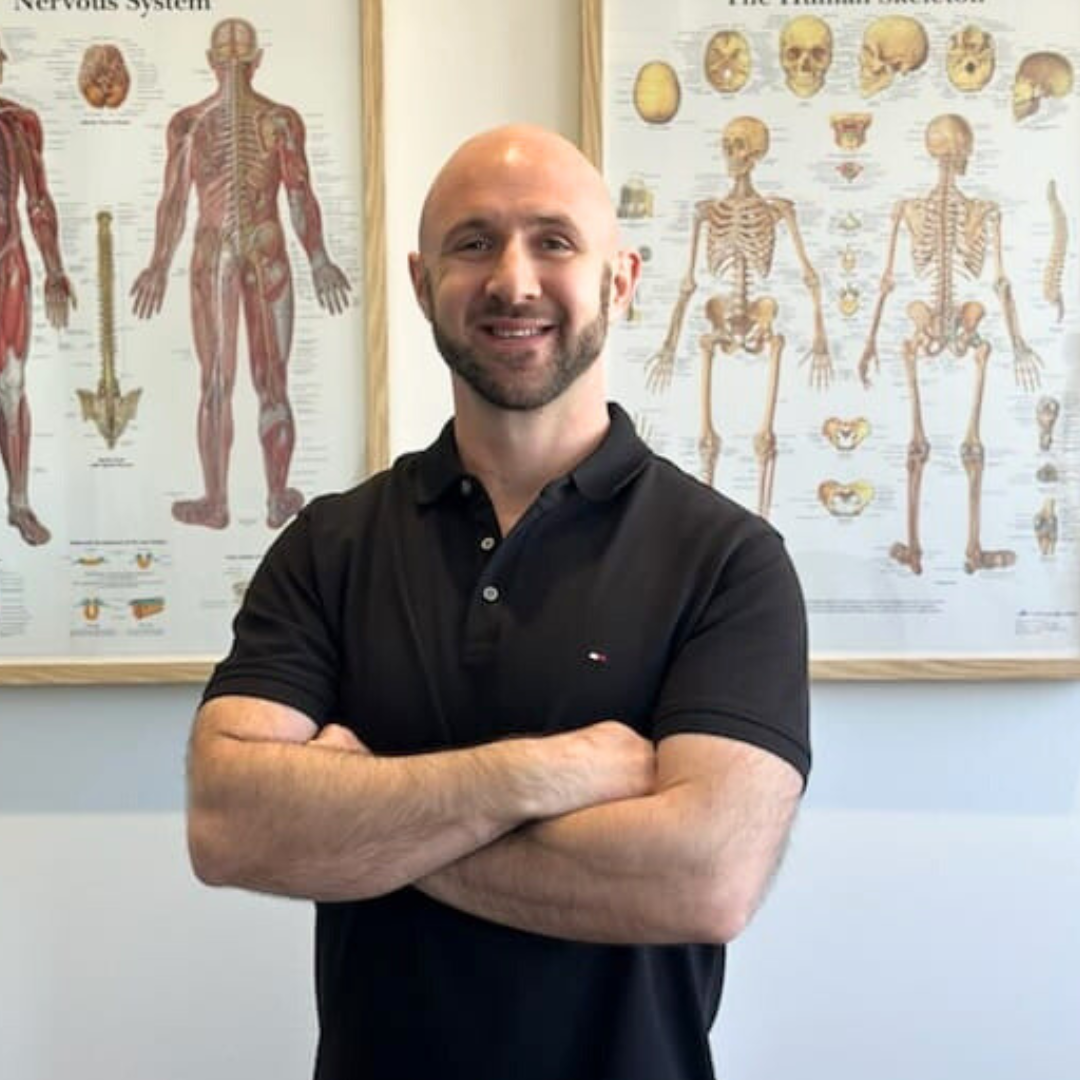
Benjamin Lustig
Founder BHSc M. Physio
M. Sports PhysioContact Us
We greatly look forward to hearing from you. Please complete the form below to get in touch. Otherwise you can book an appointment online Here.
Location
Athletic Spine is located at 83A Weston Street, Brunswick, Victoria 3056